

Best Selling Handmade Samurai Swords
Shop by Category – Japanese Samurai Swords


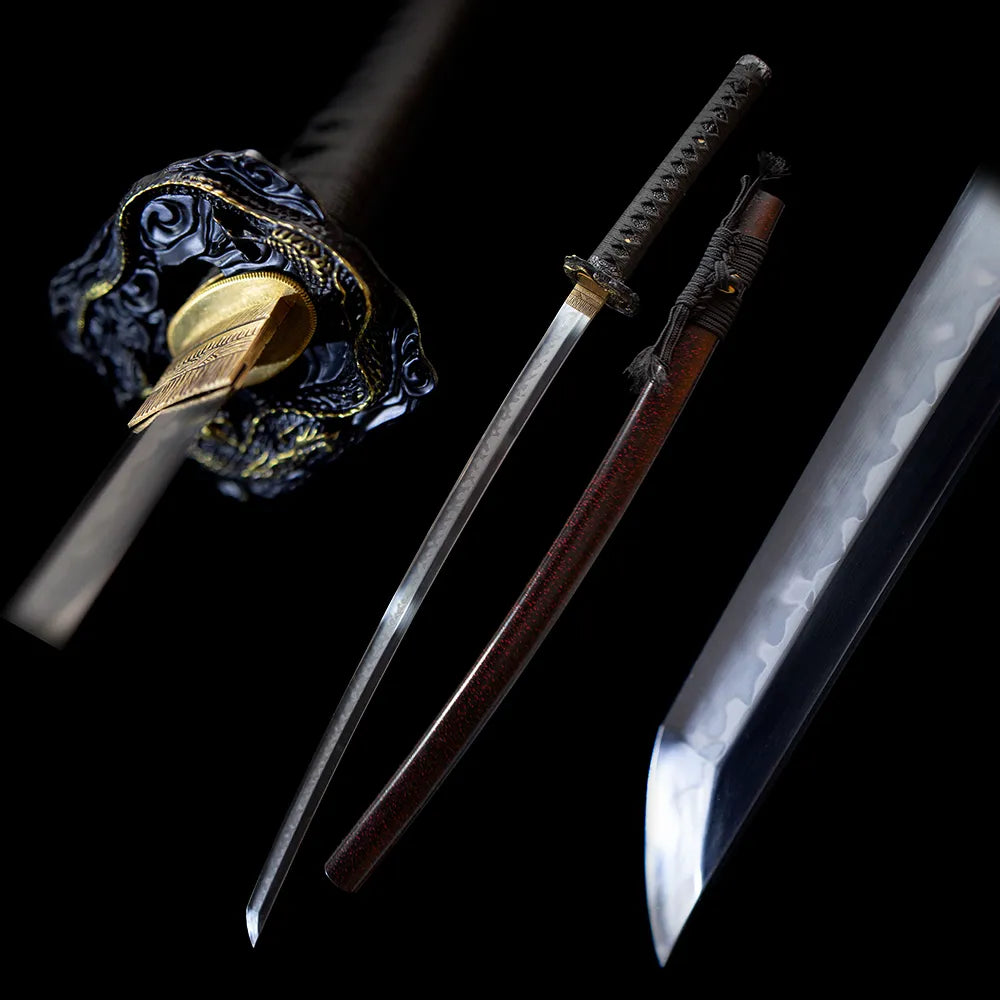
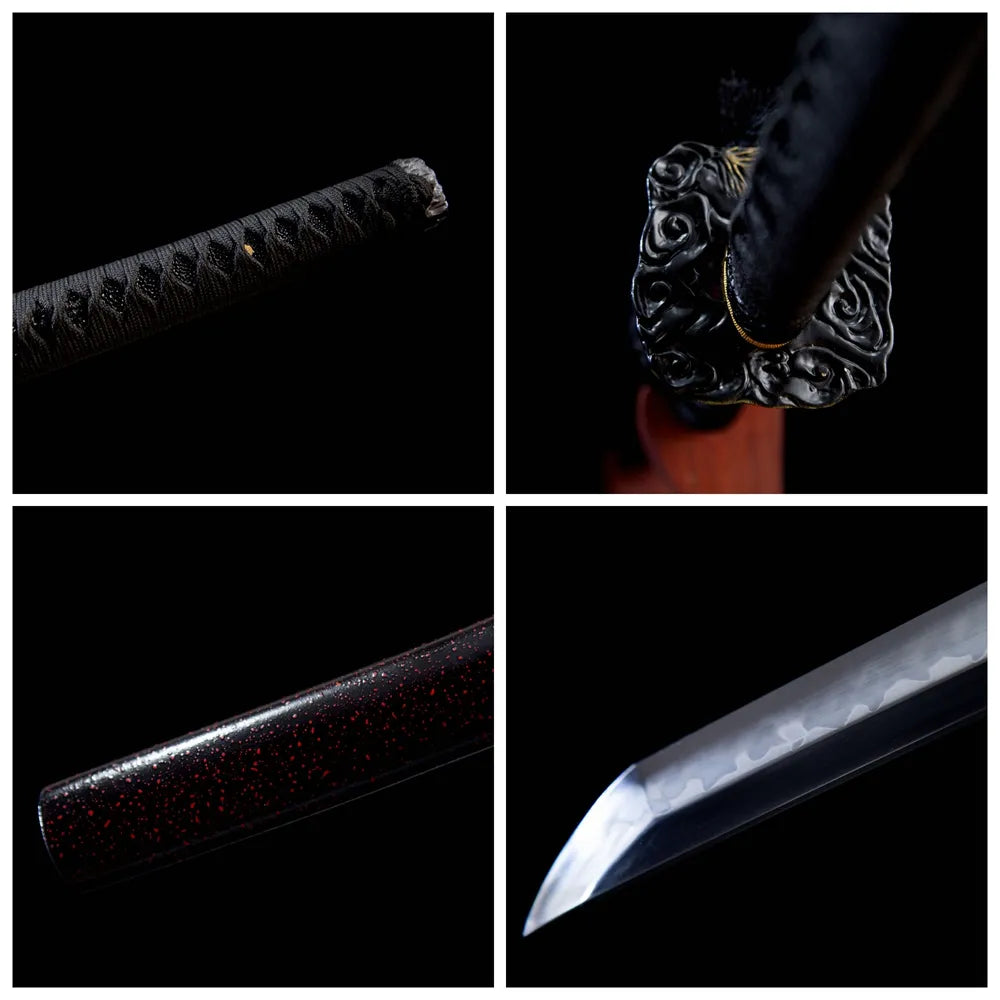
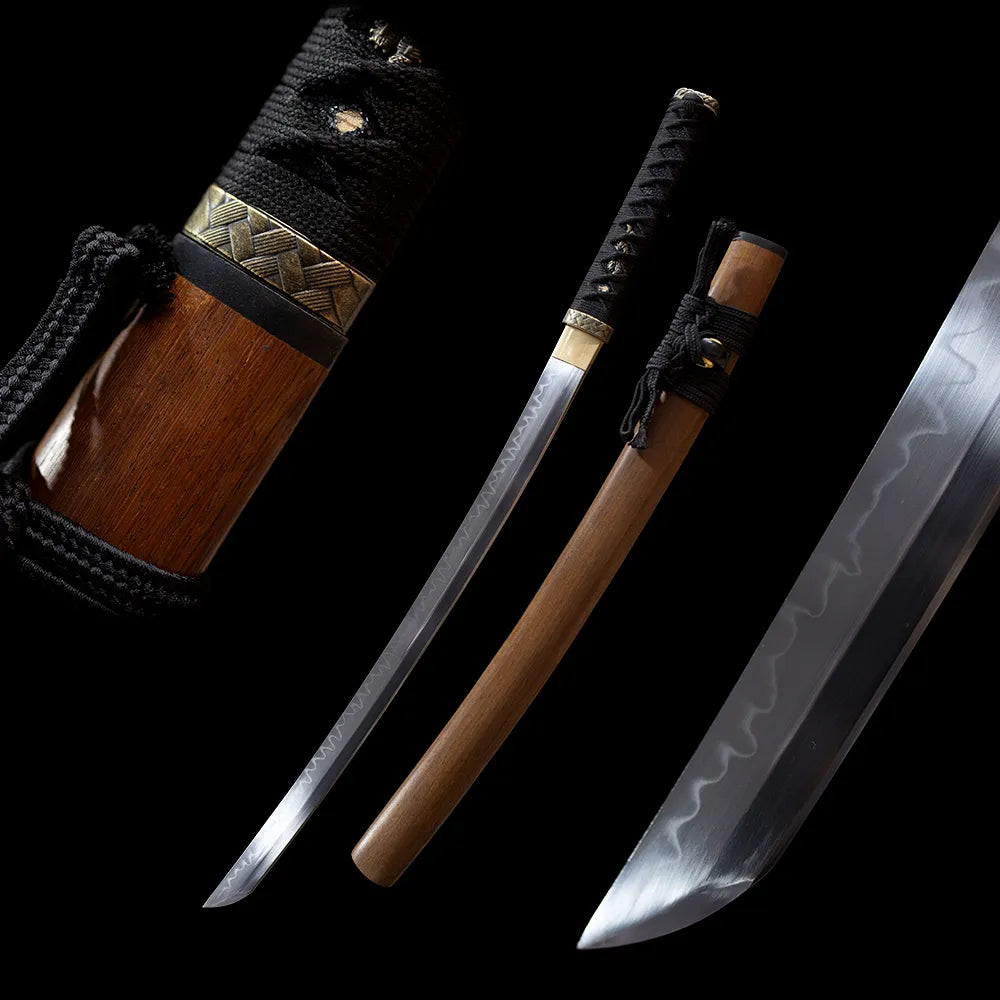
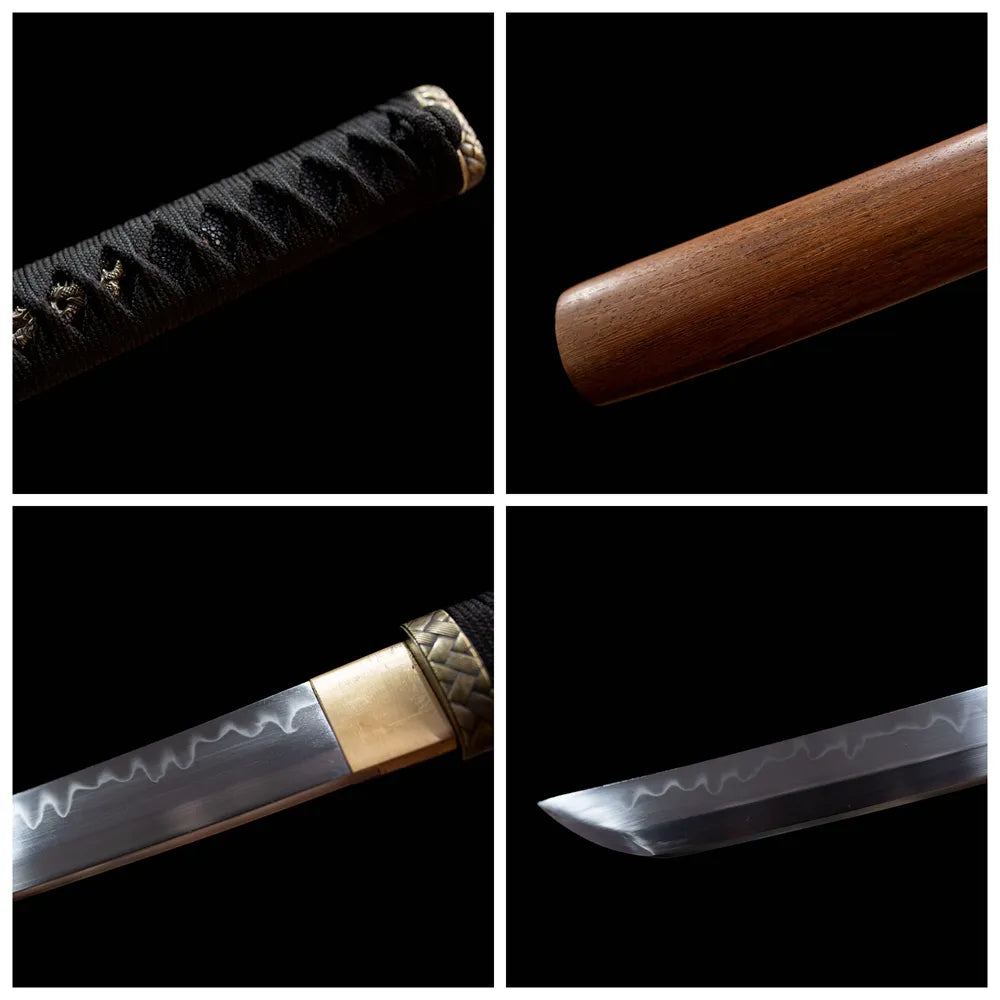
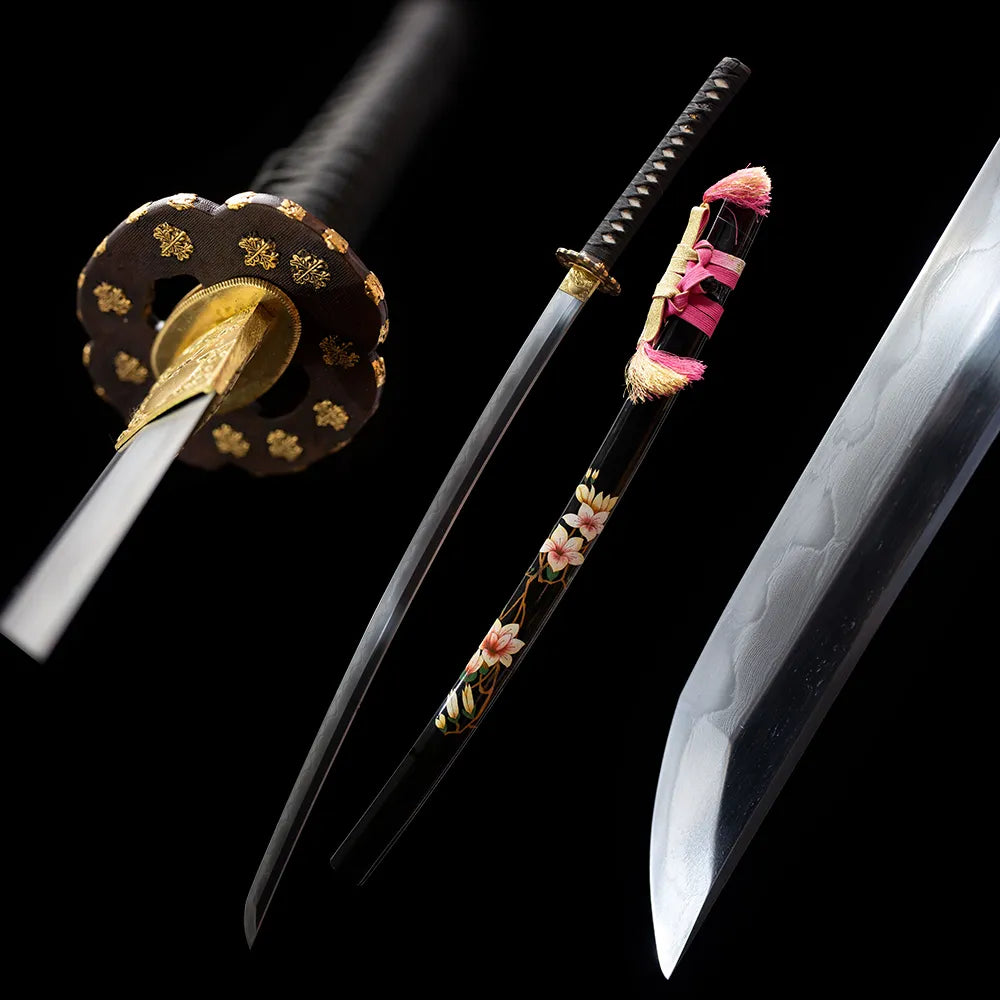
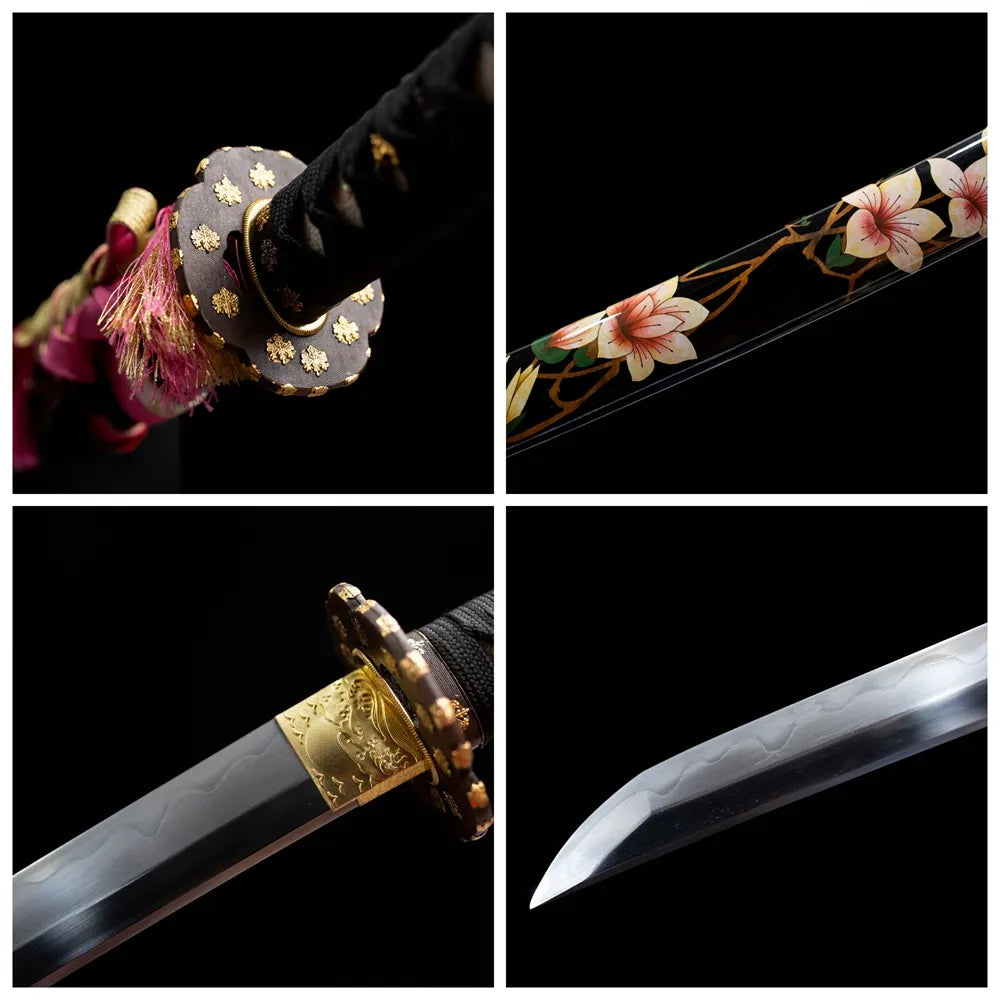
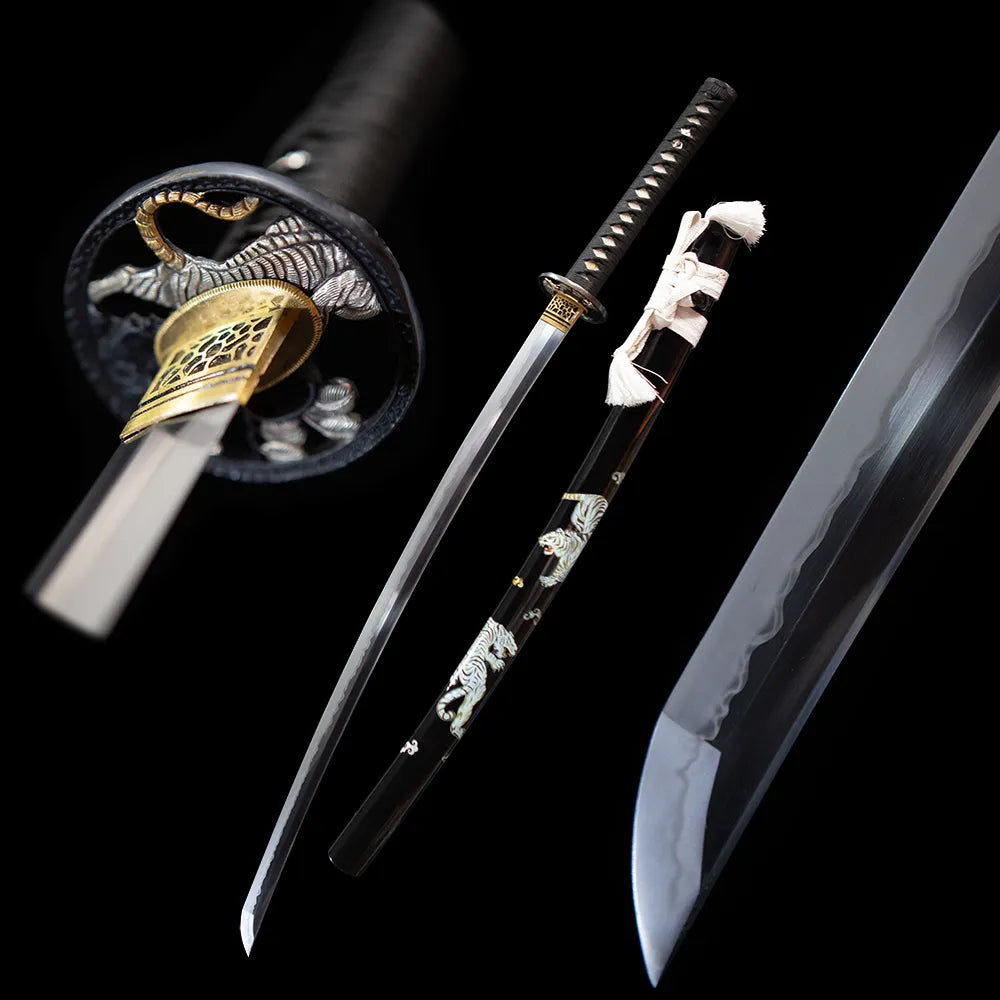
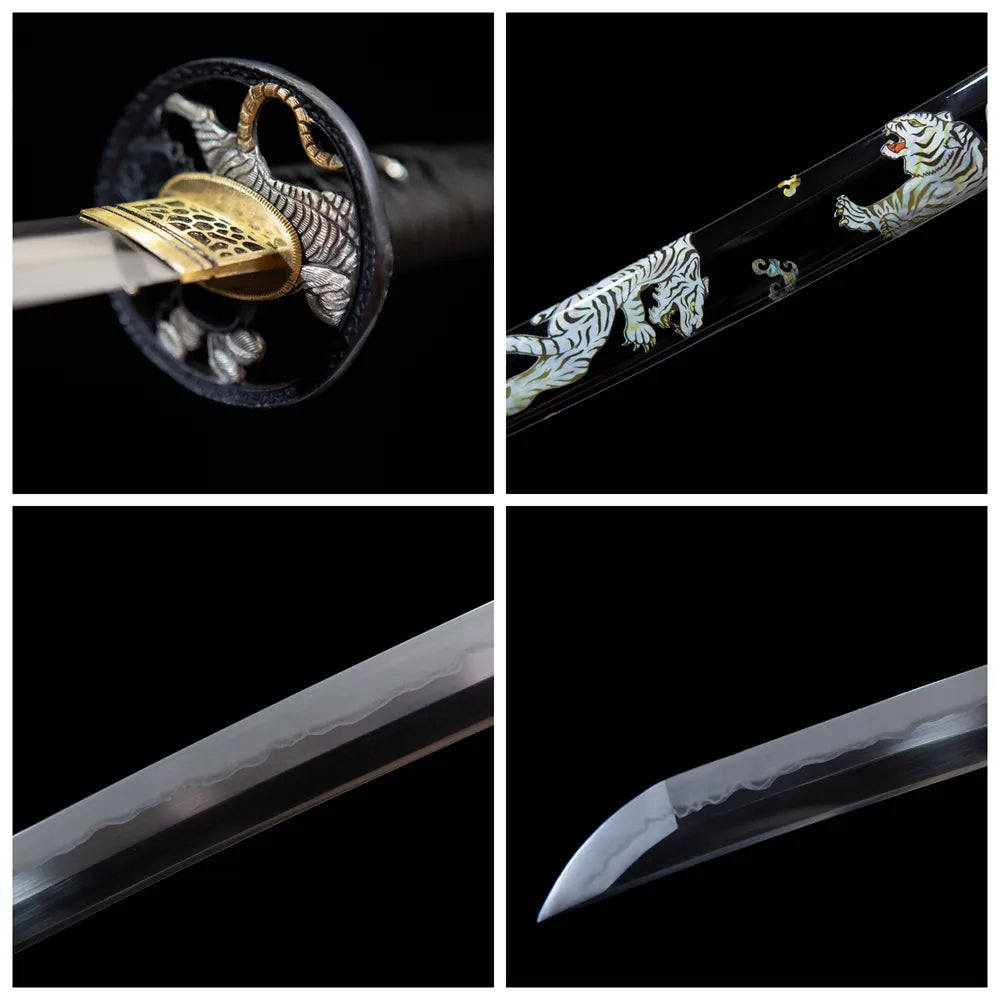
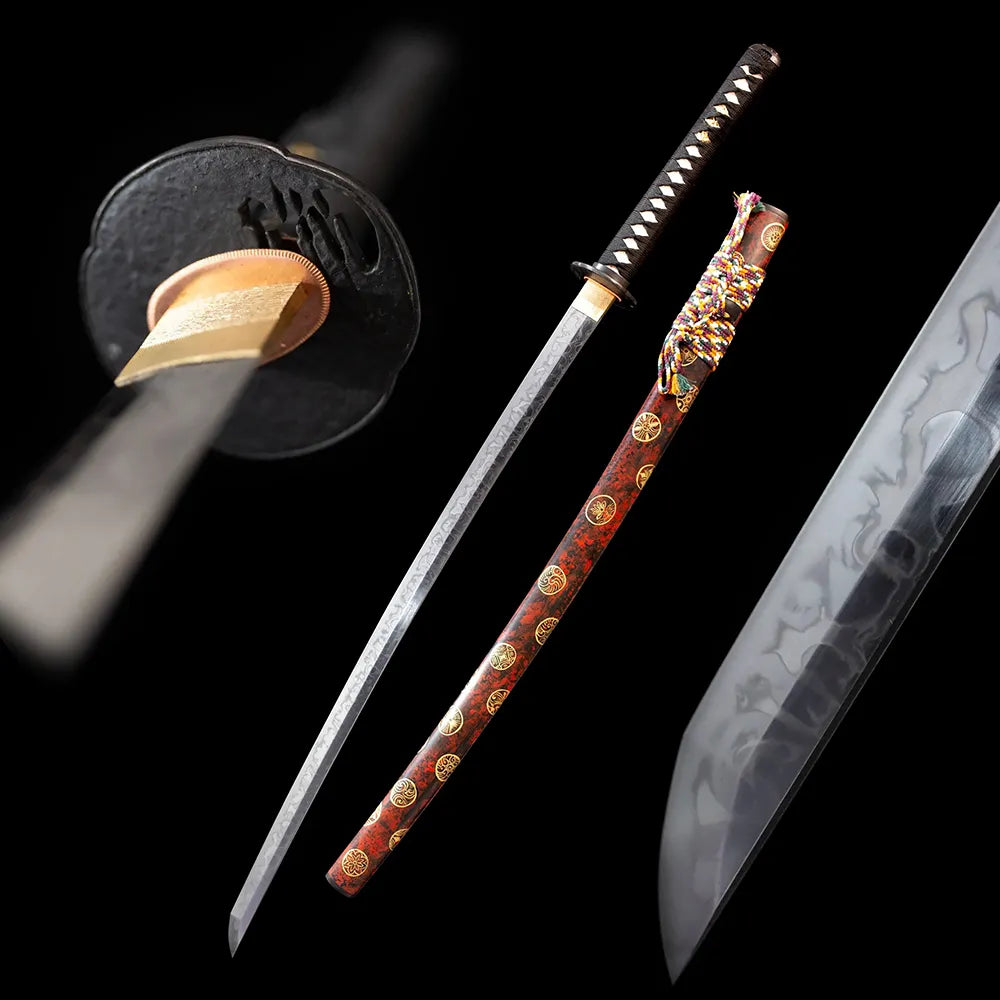
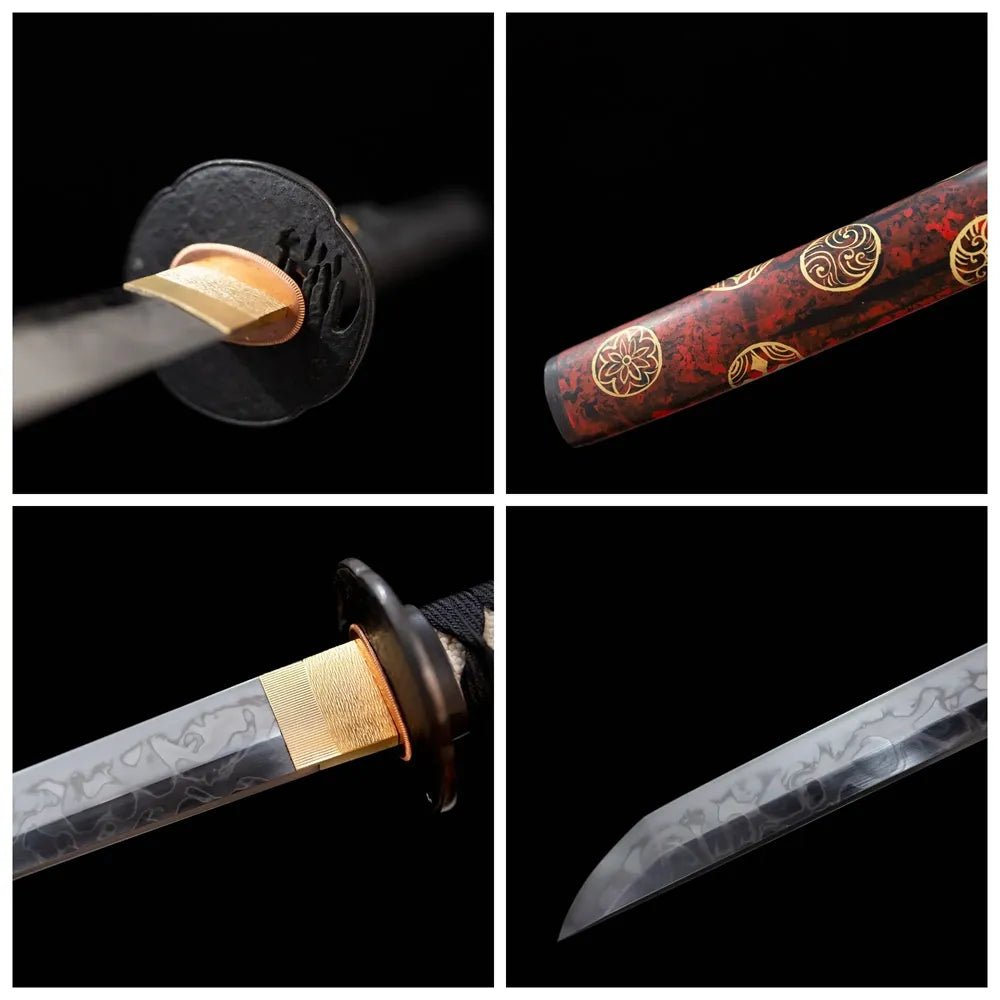
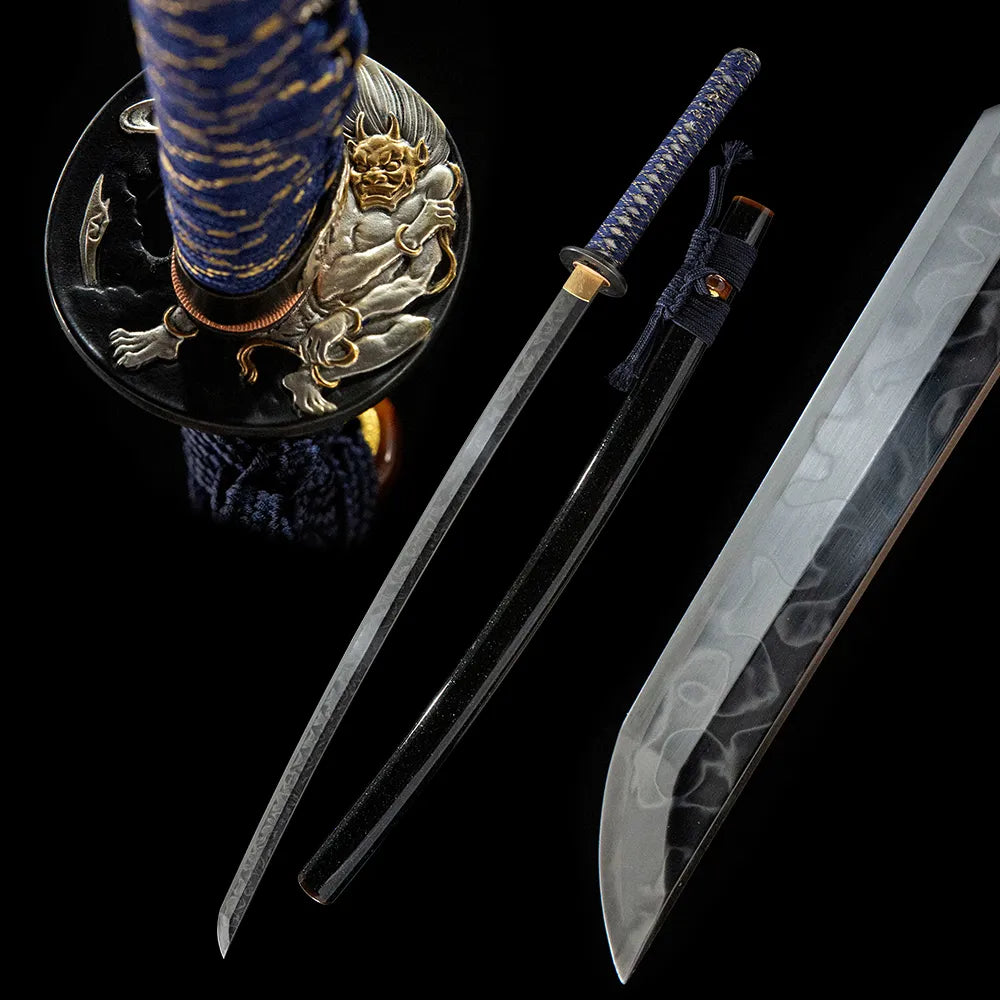
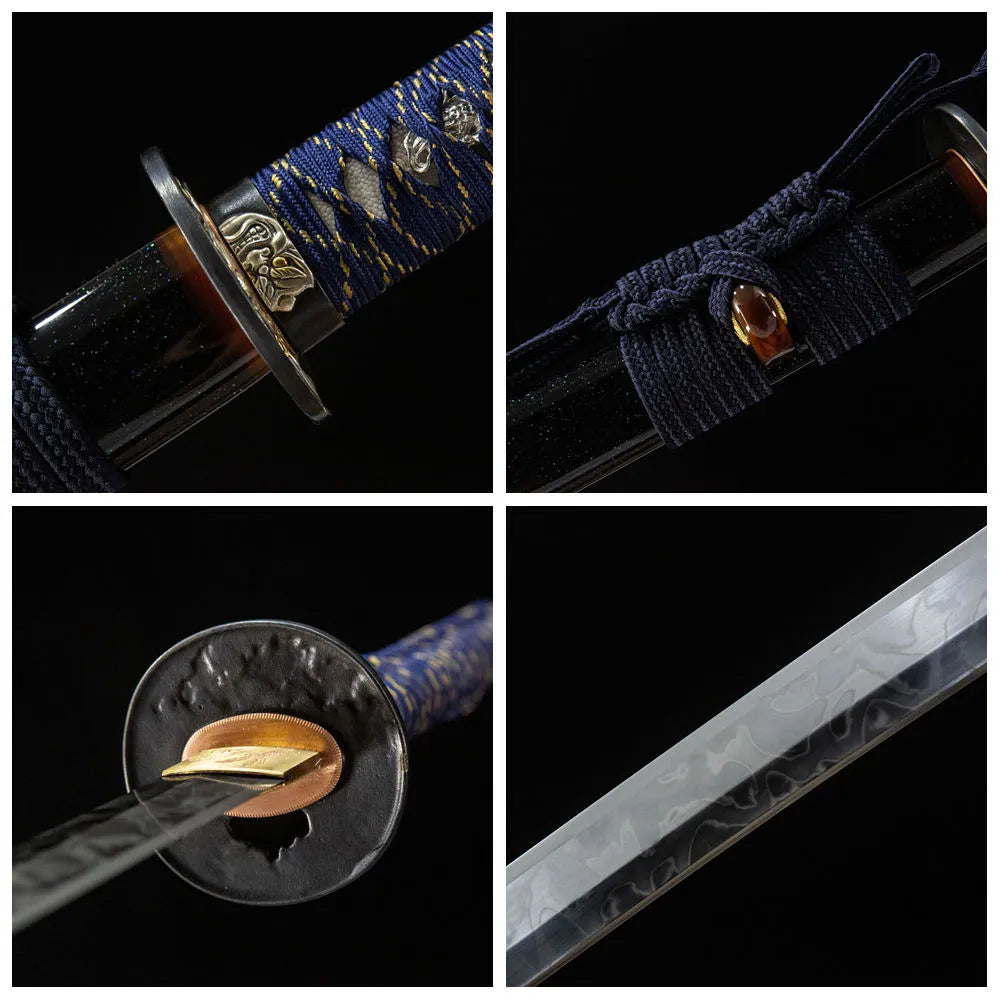
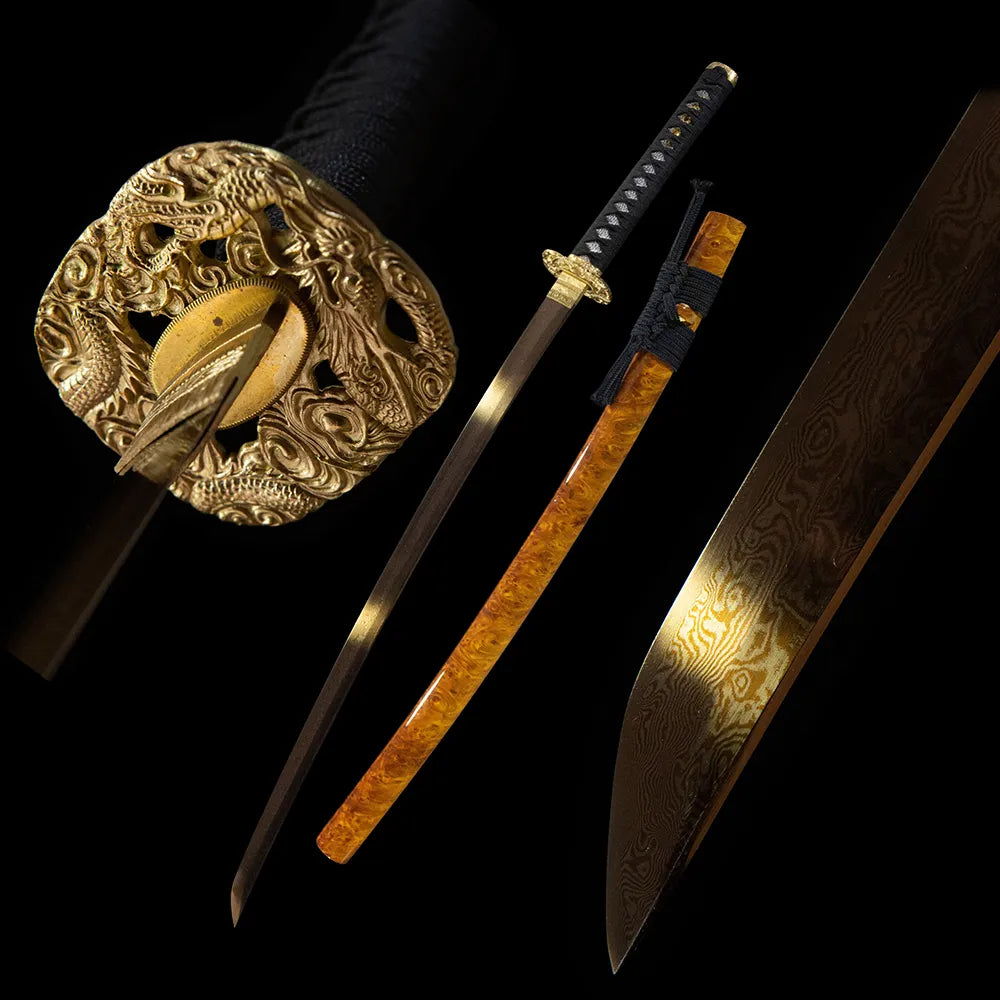
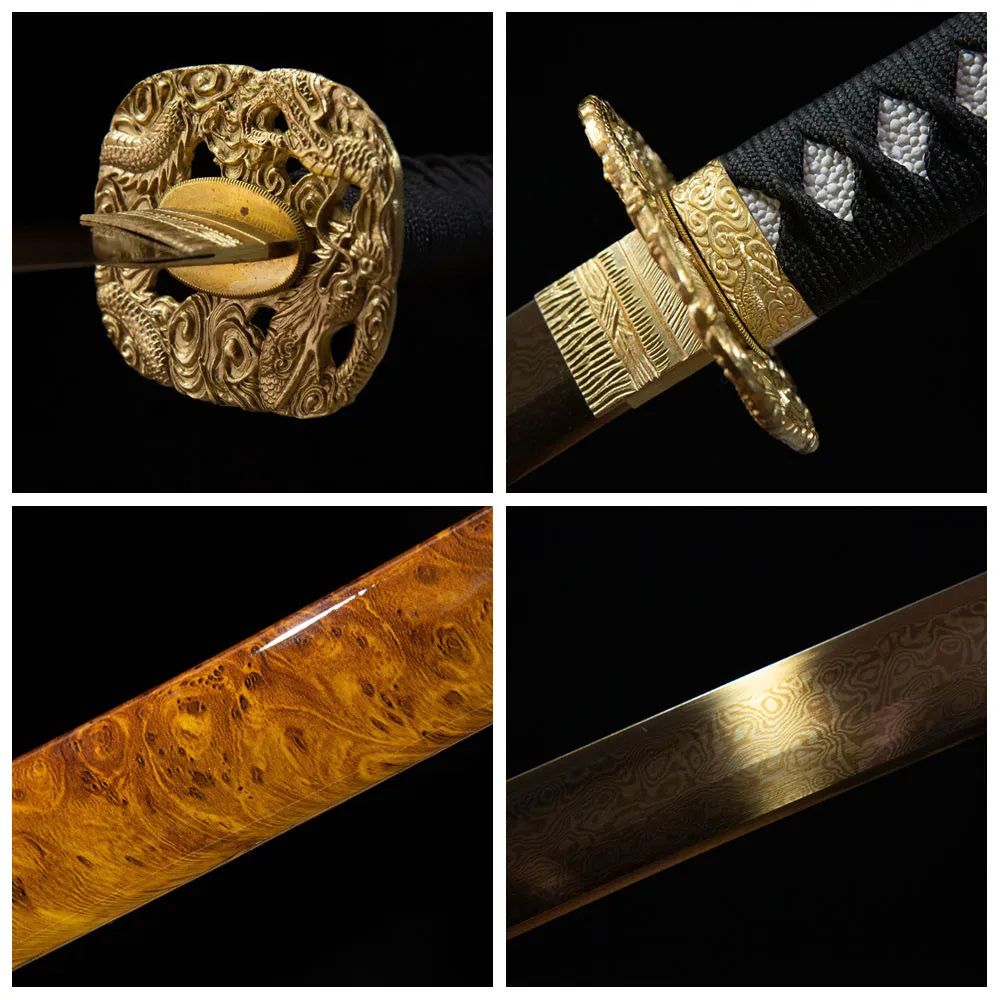
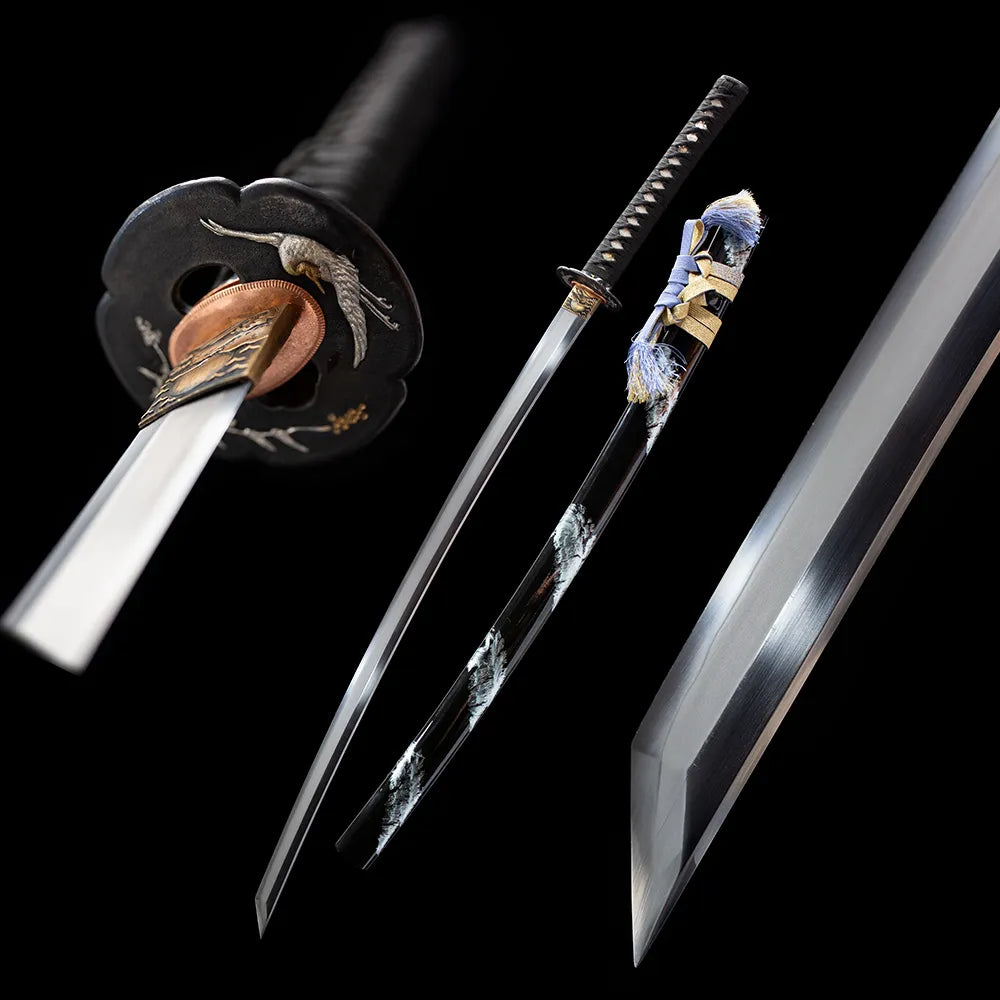
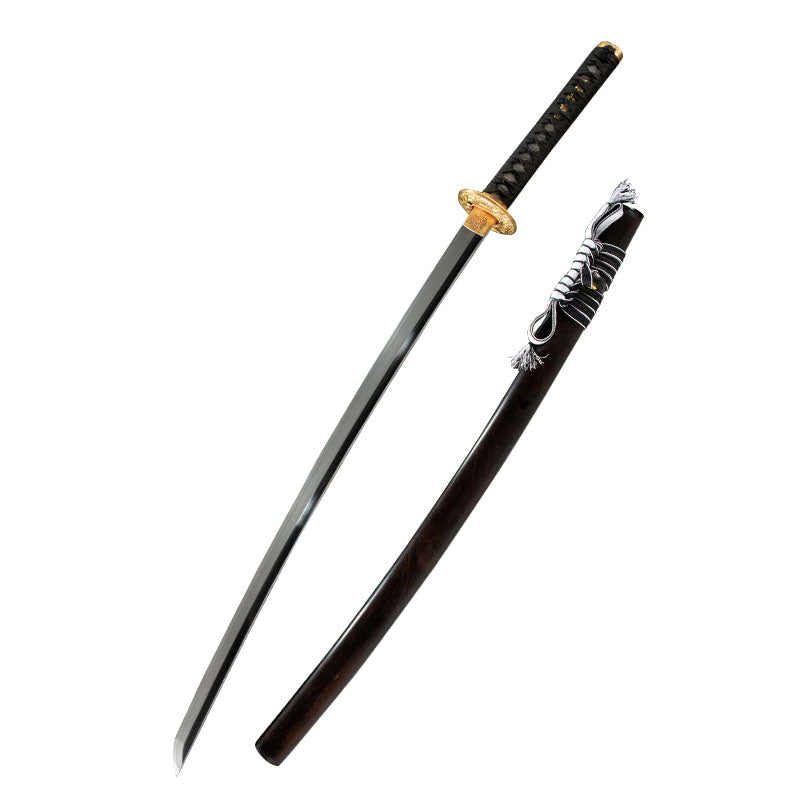
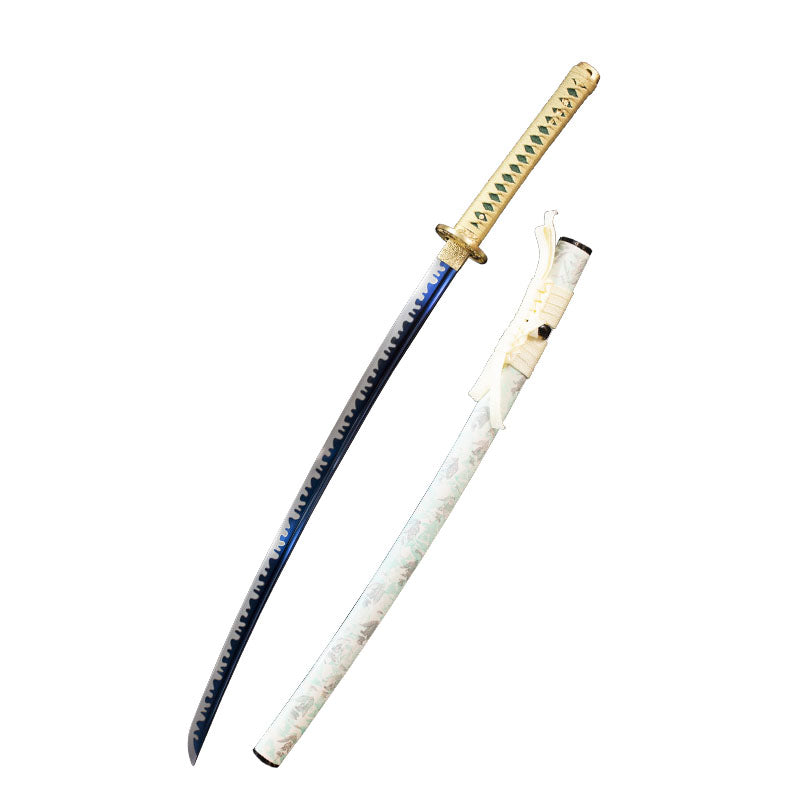
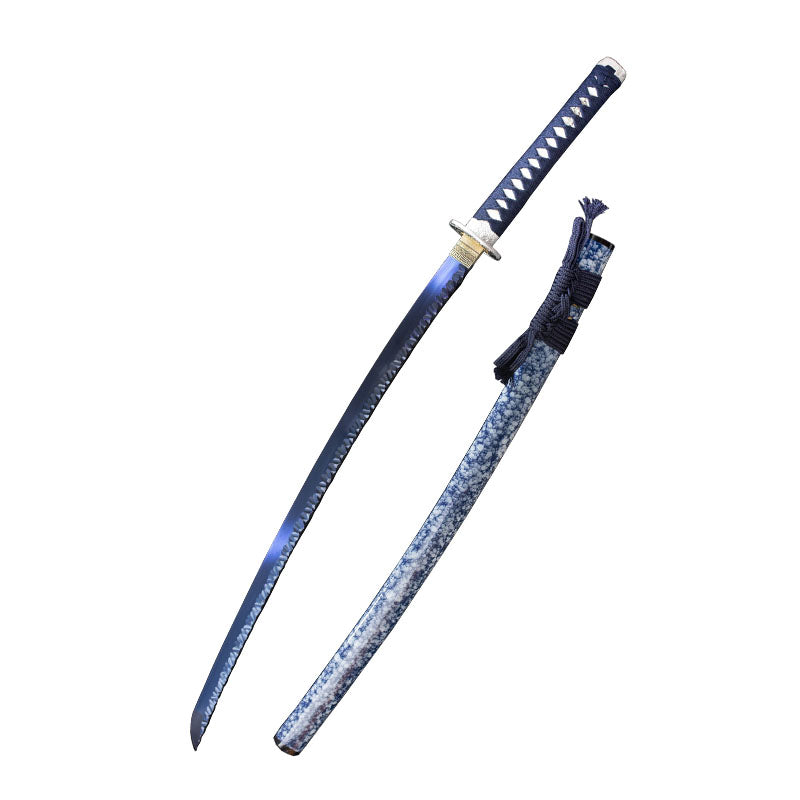
Katana Color Classification
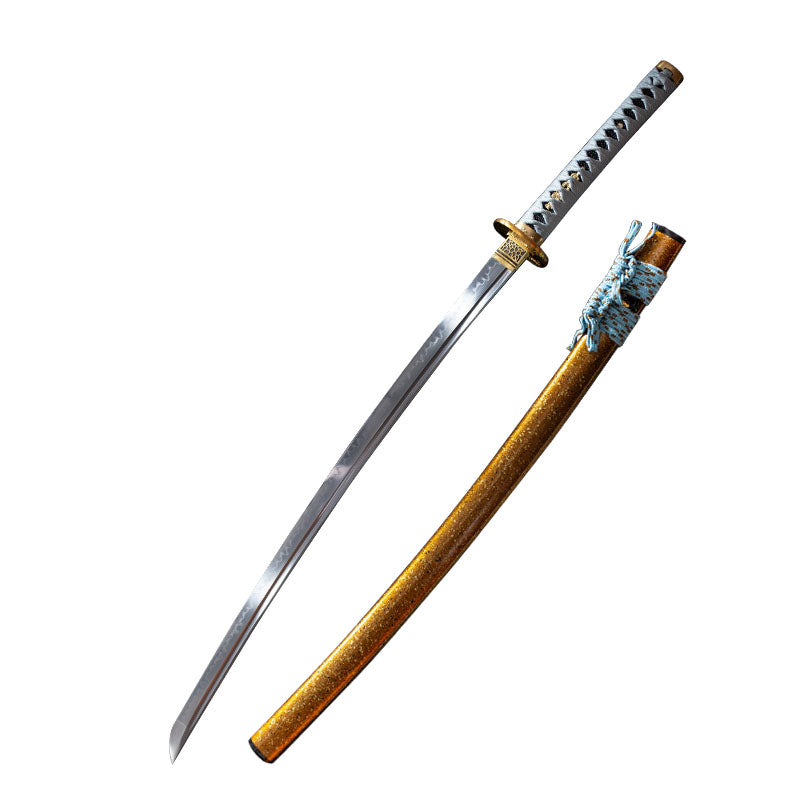
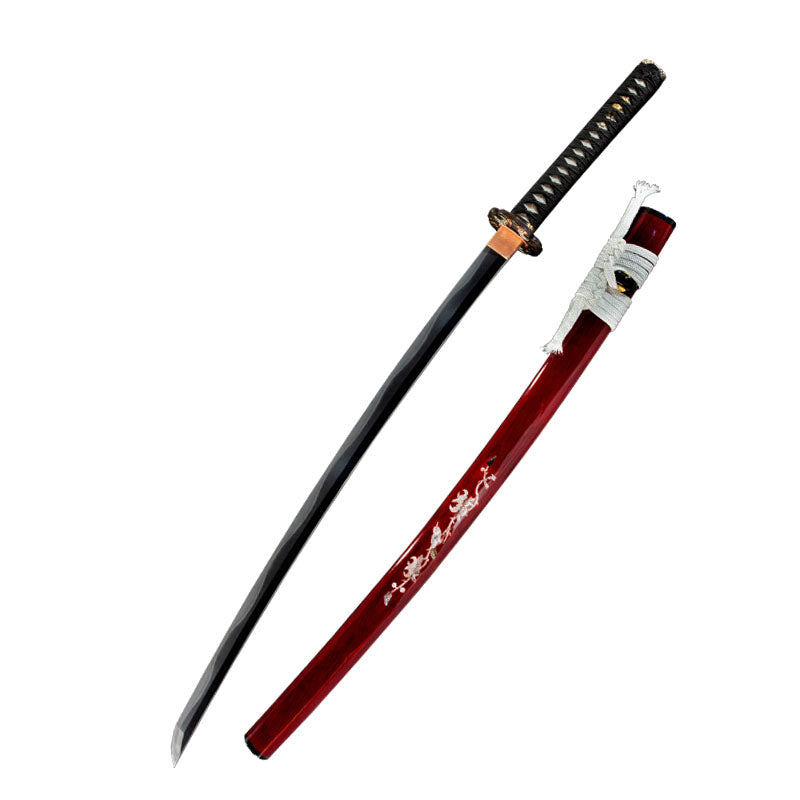
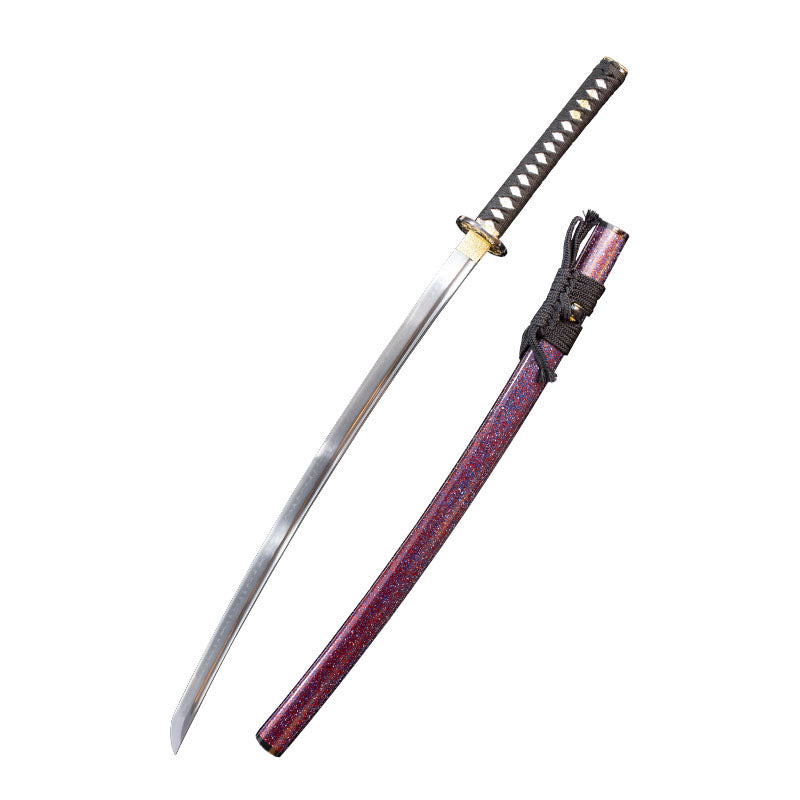
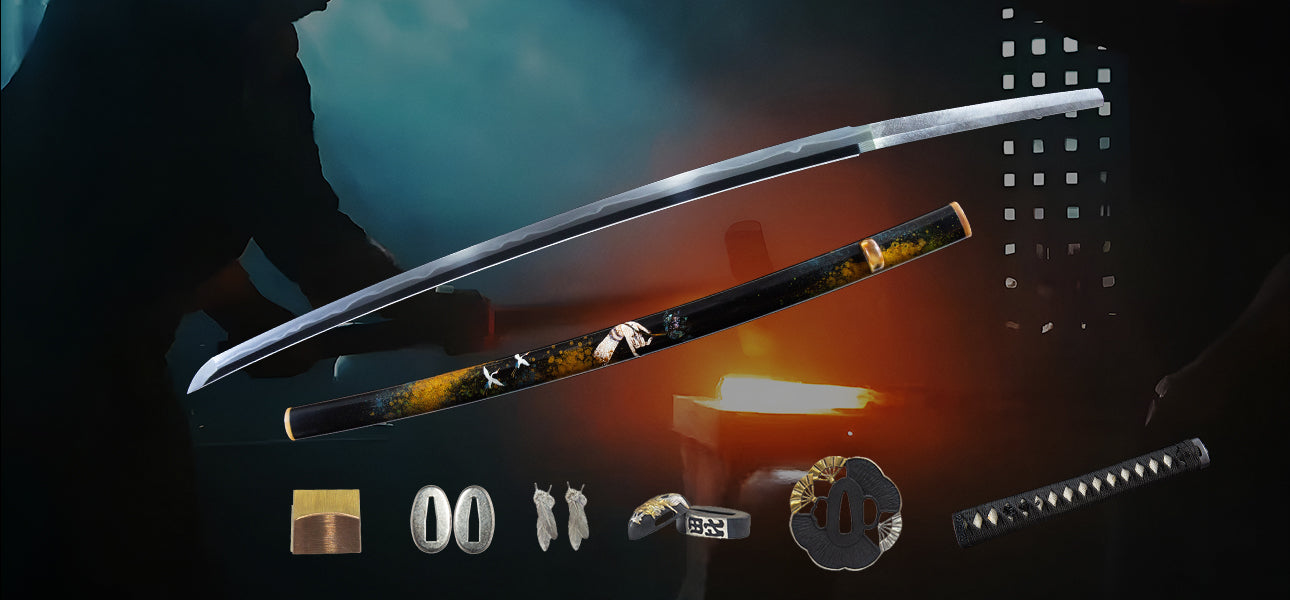
Custom Katana – Design Your Own Handmade Samurai Sword
Build Your Custom Katanakatana Practice Beginner's Must See Series
Cheap Katana
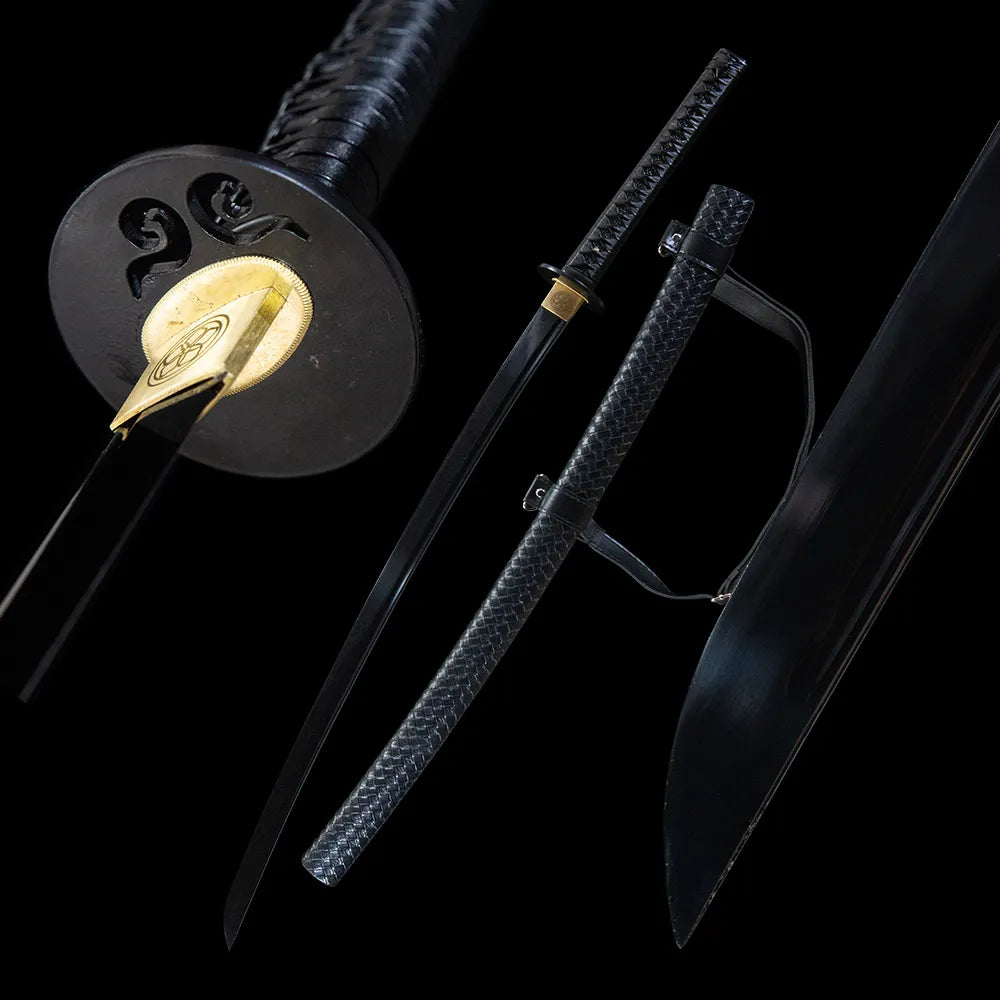
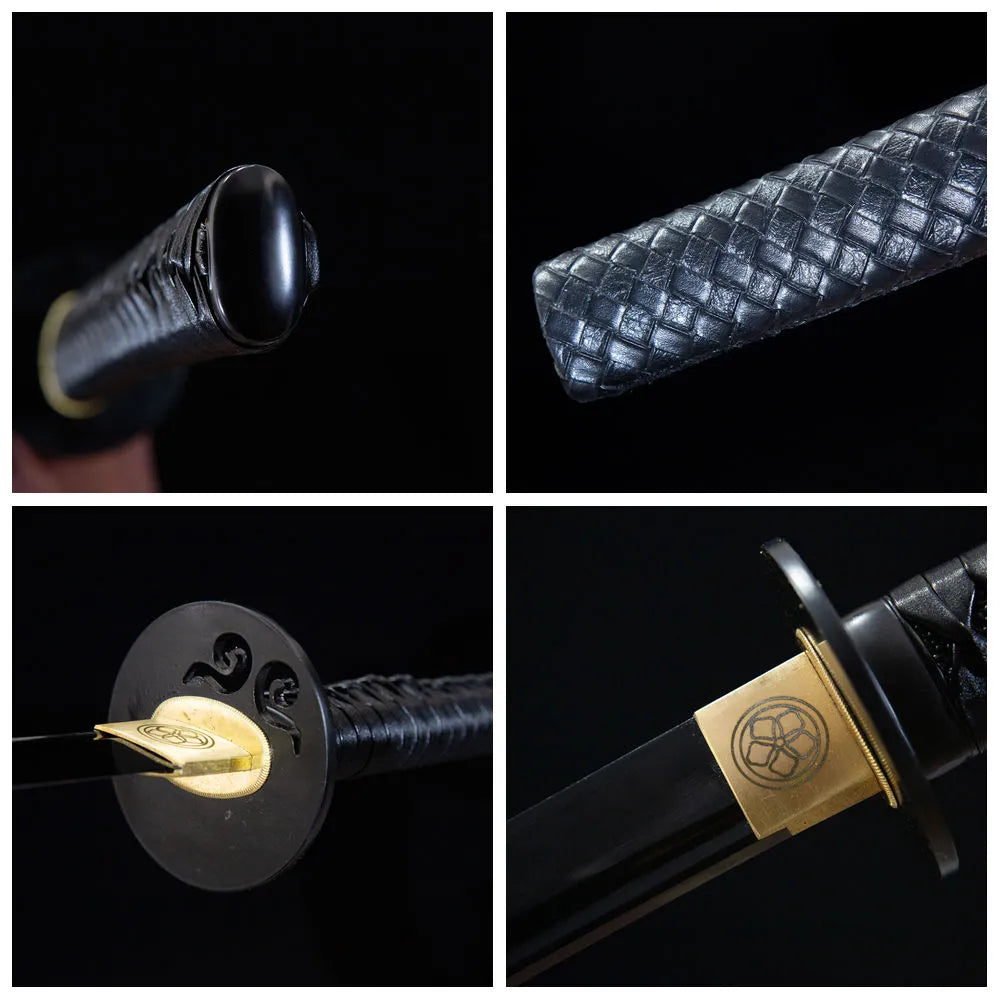
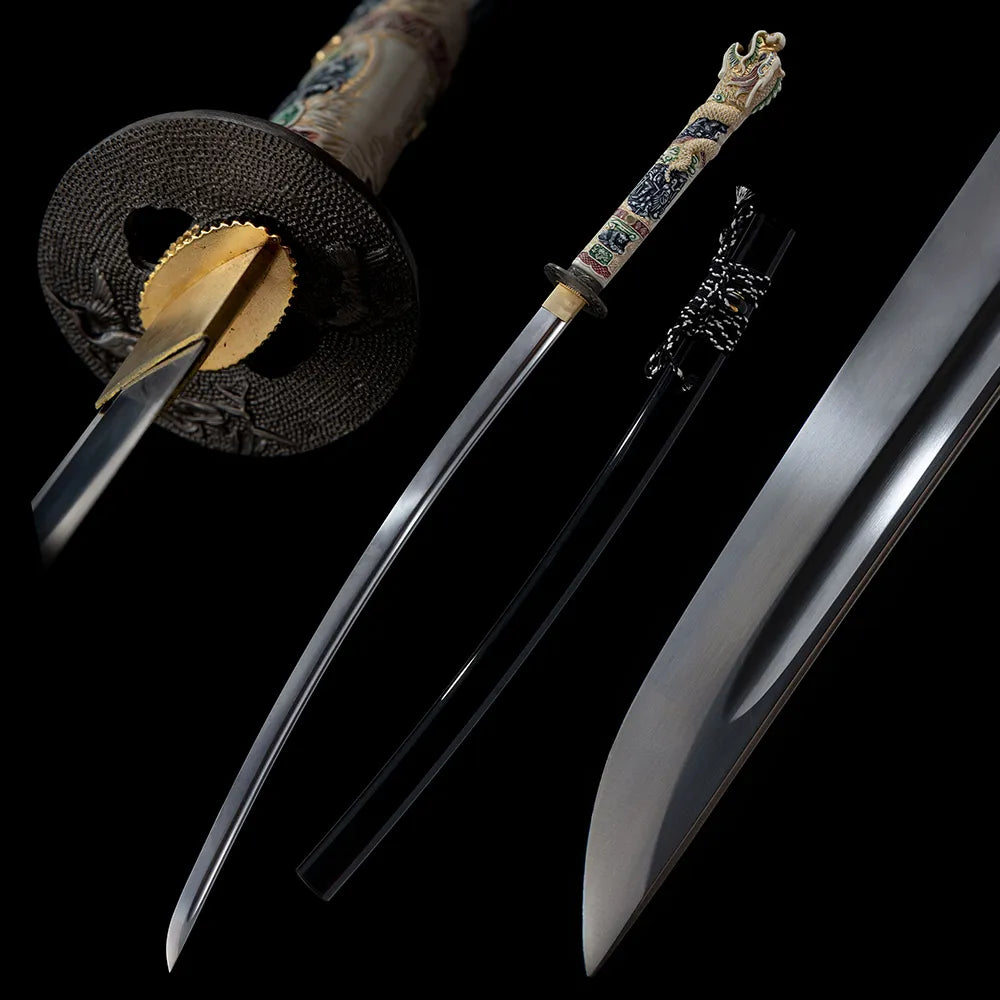
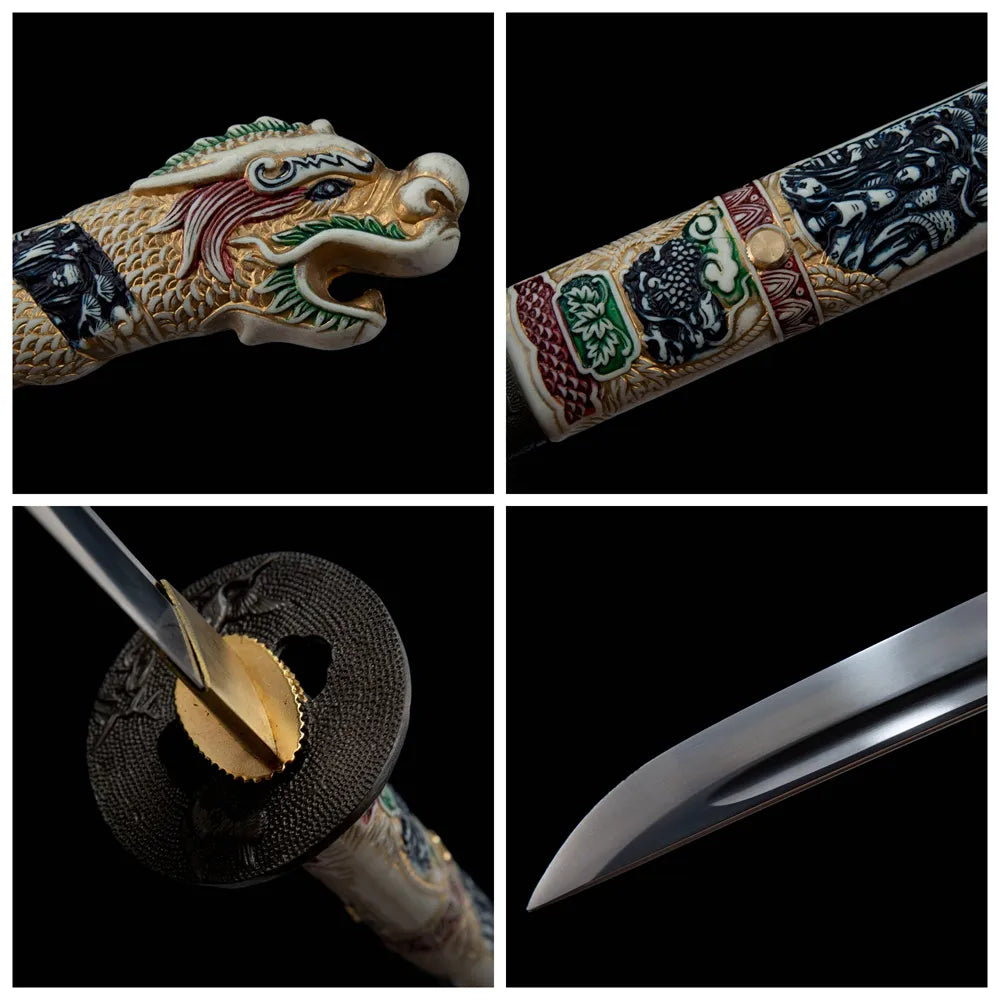
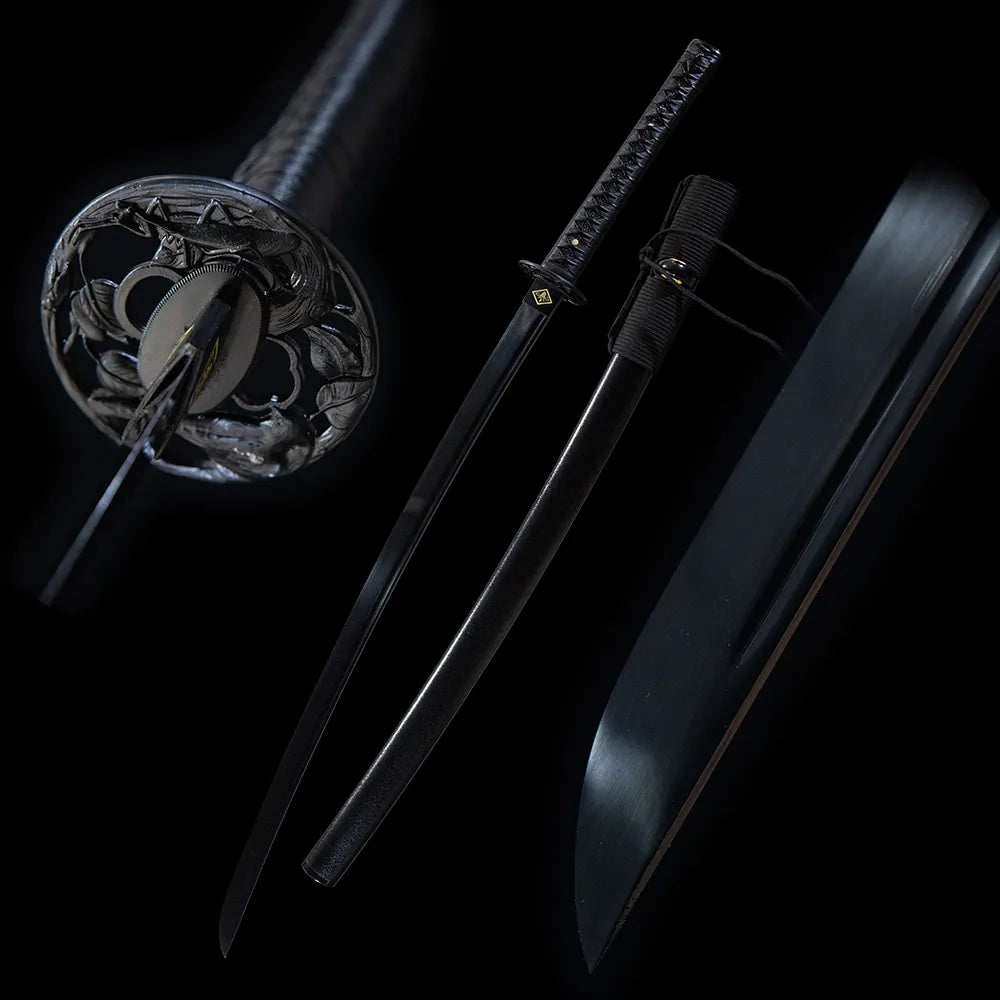
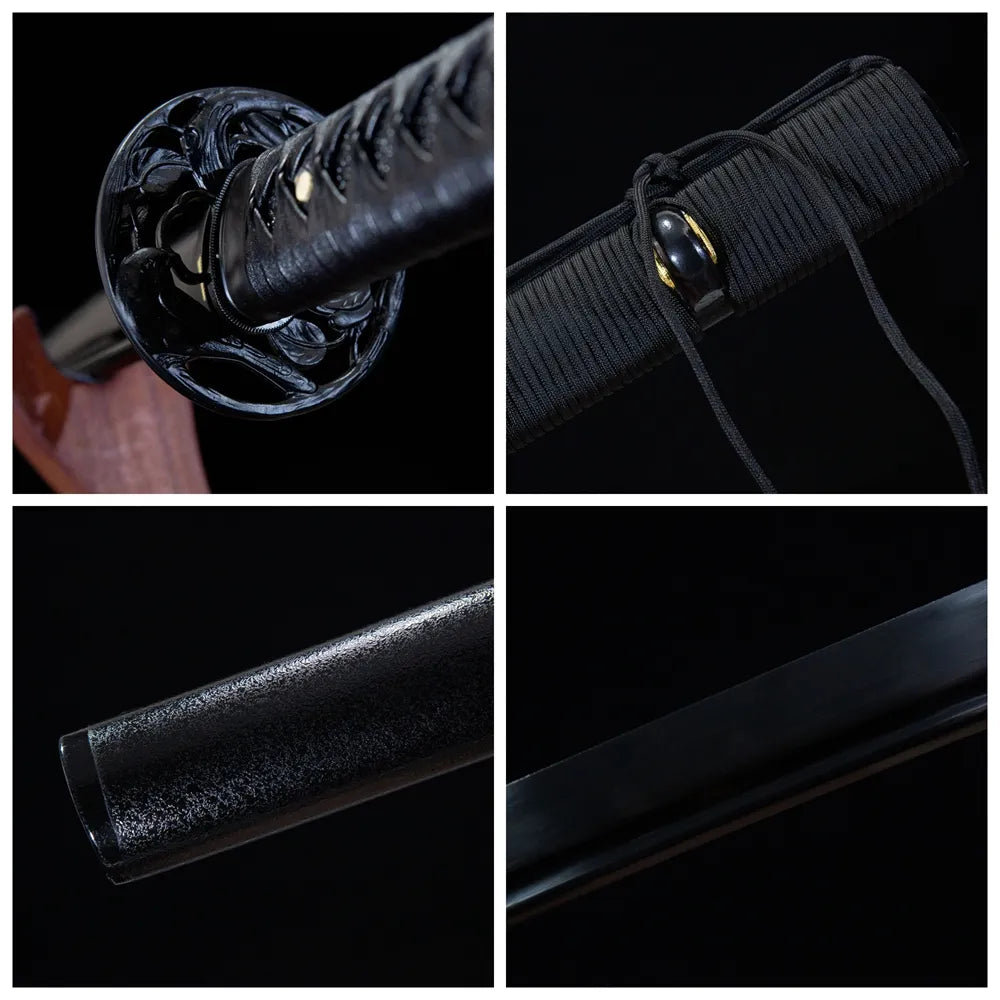
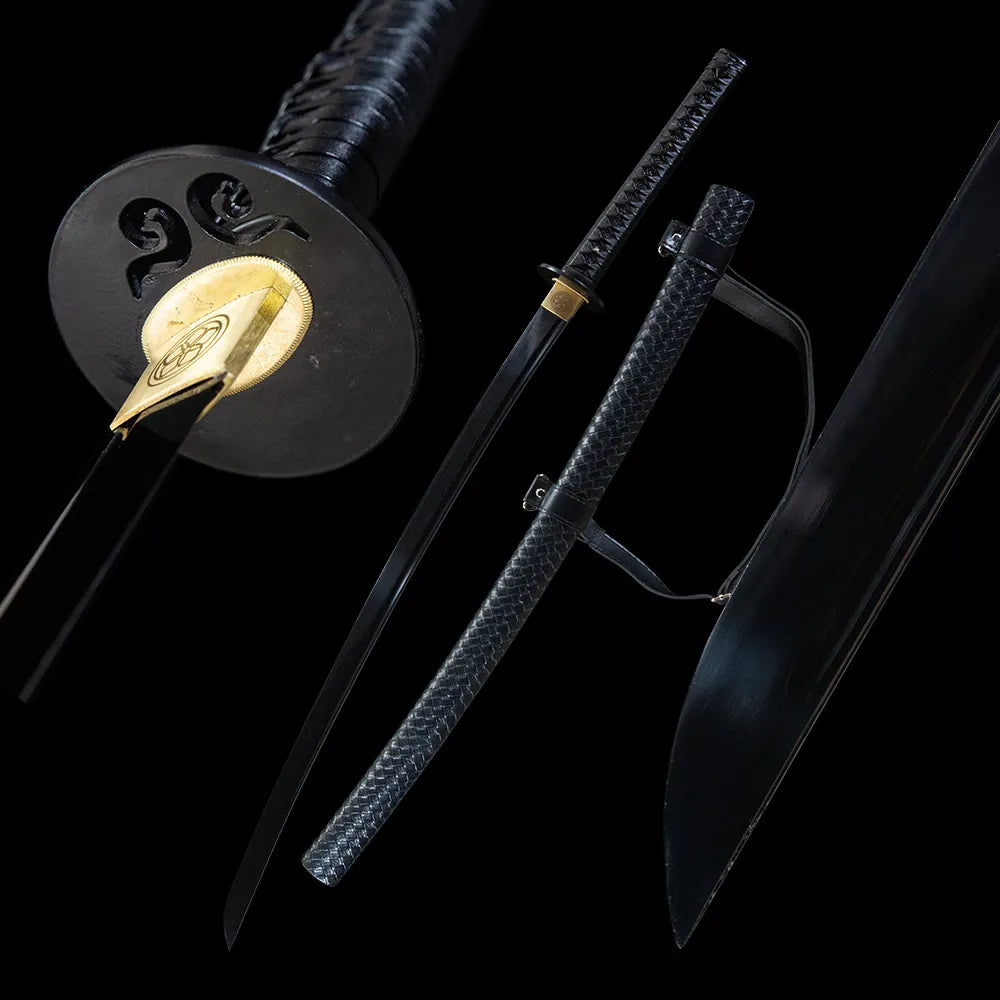
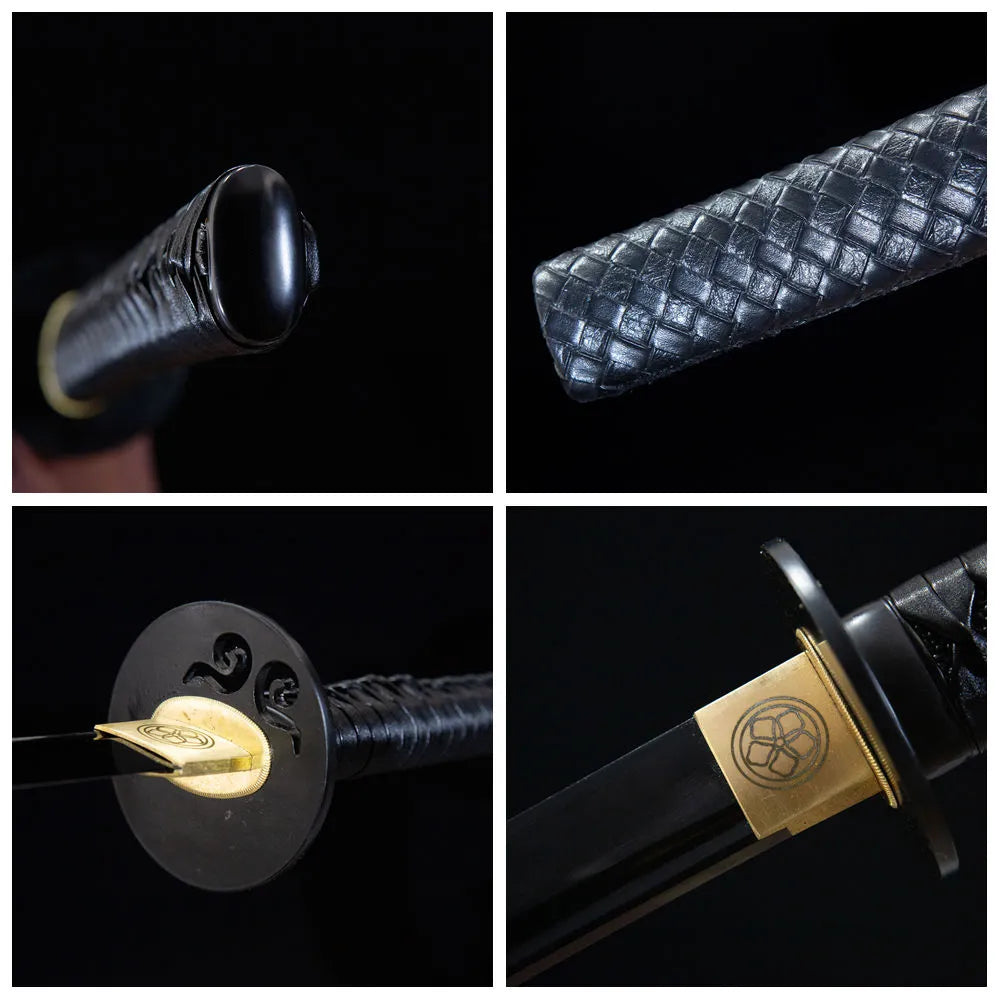
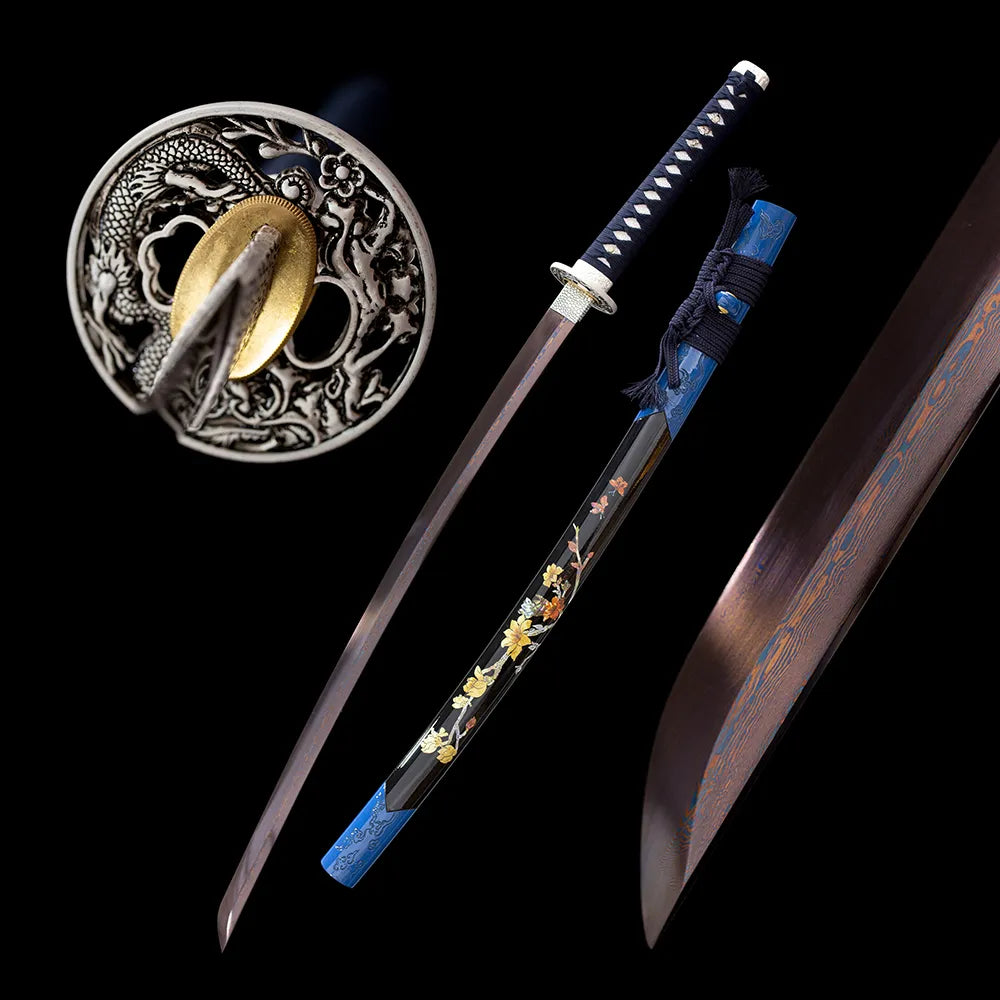
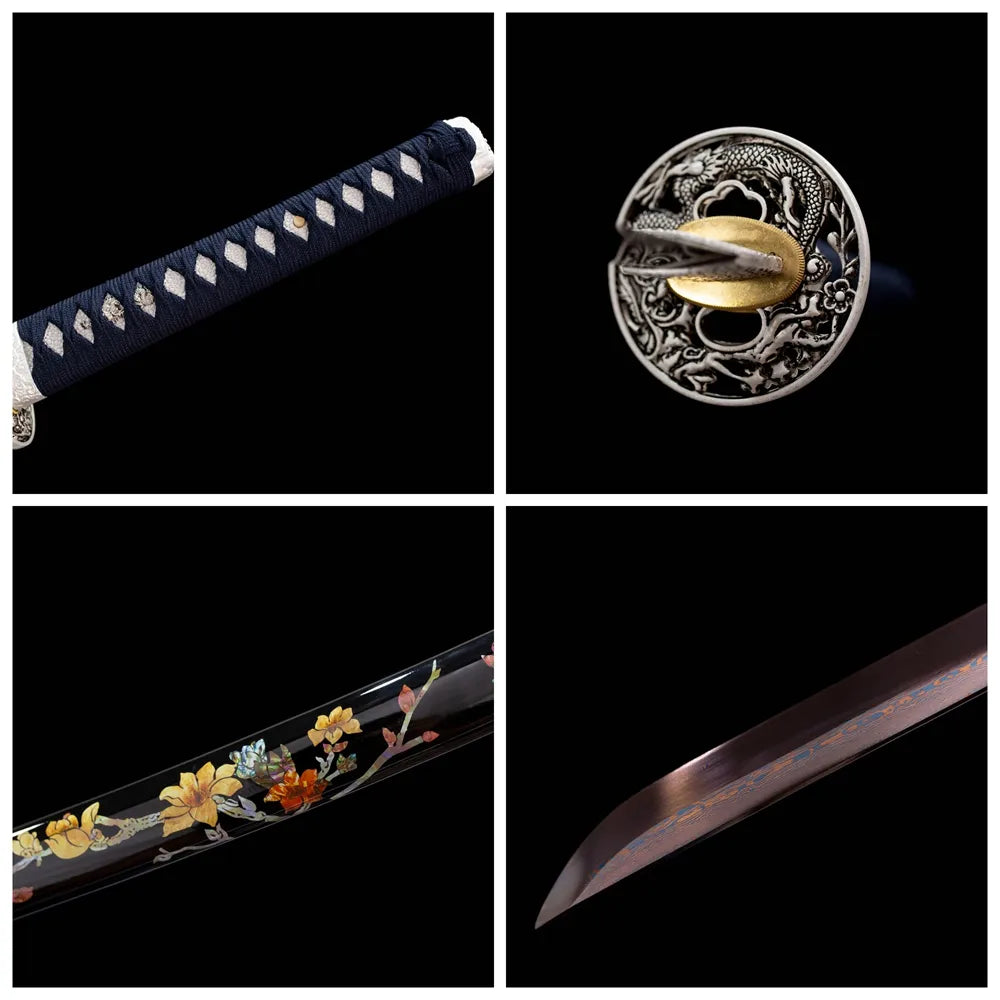
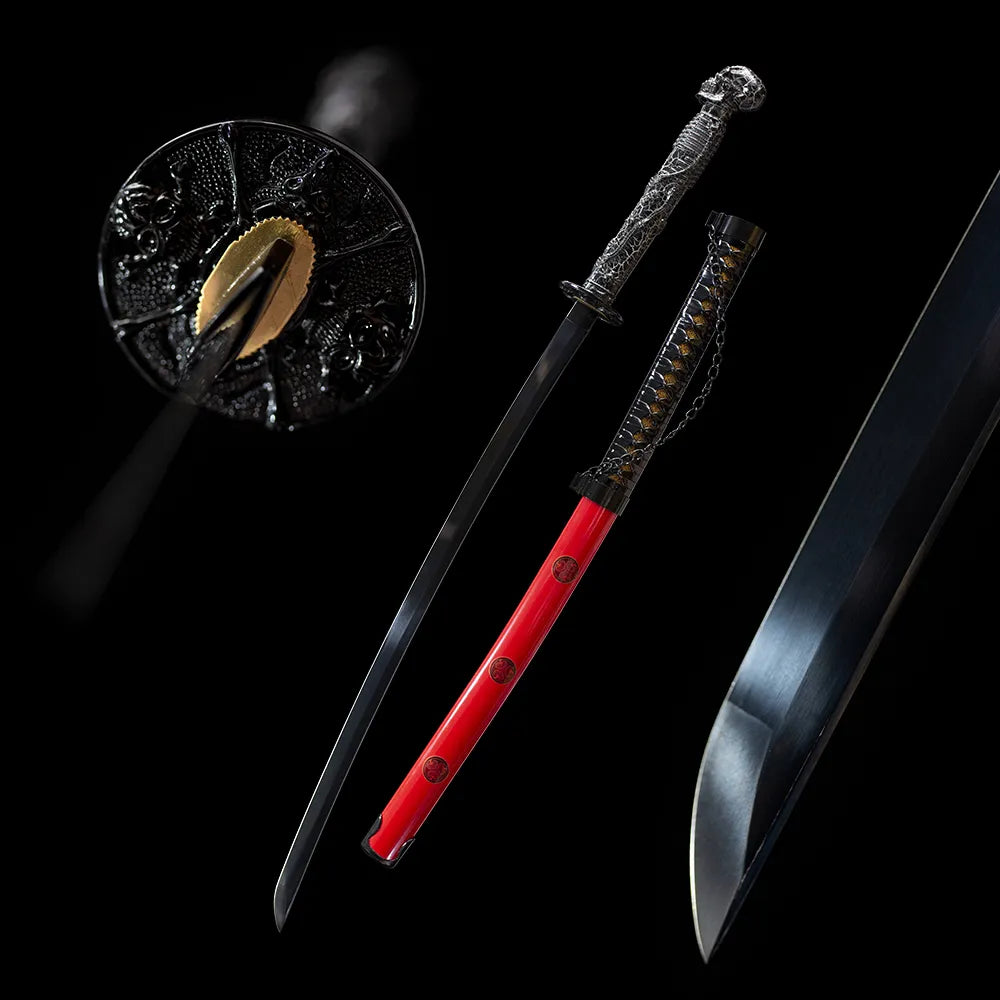
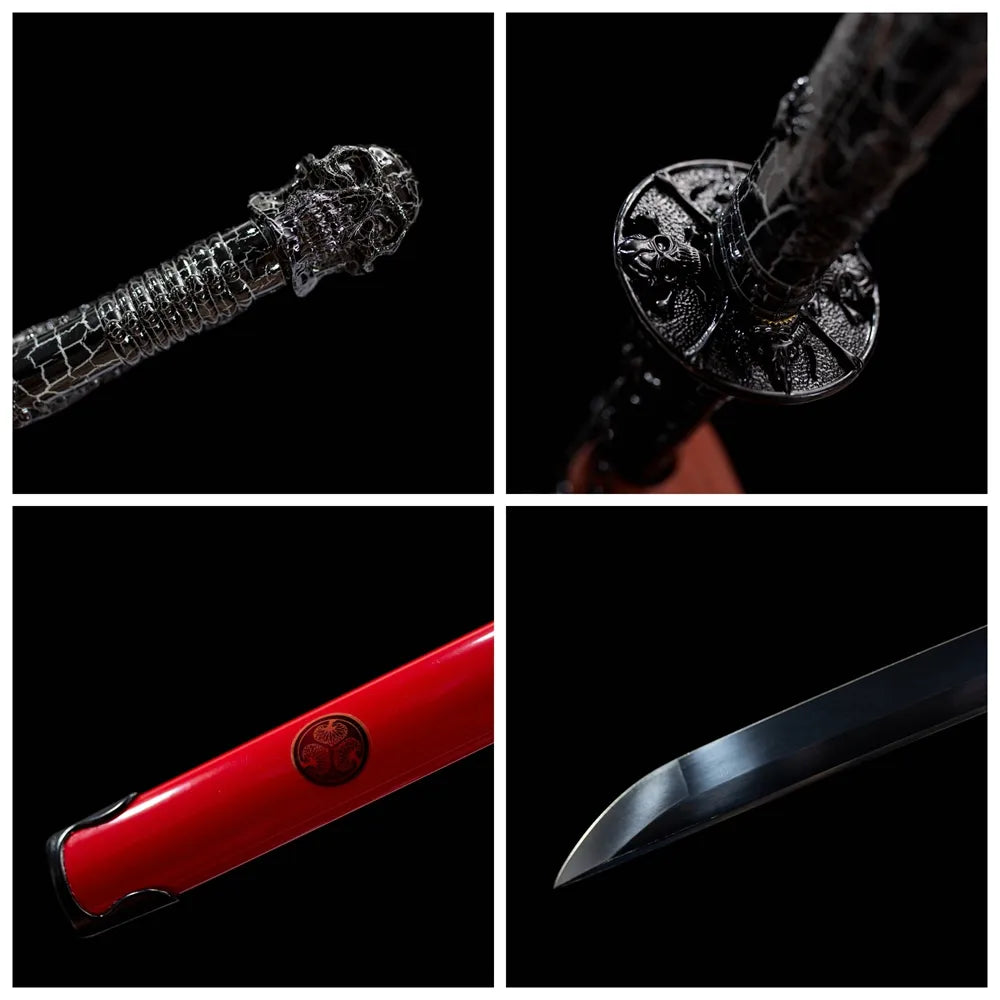
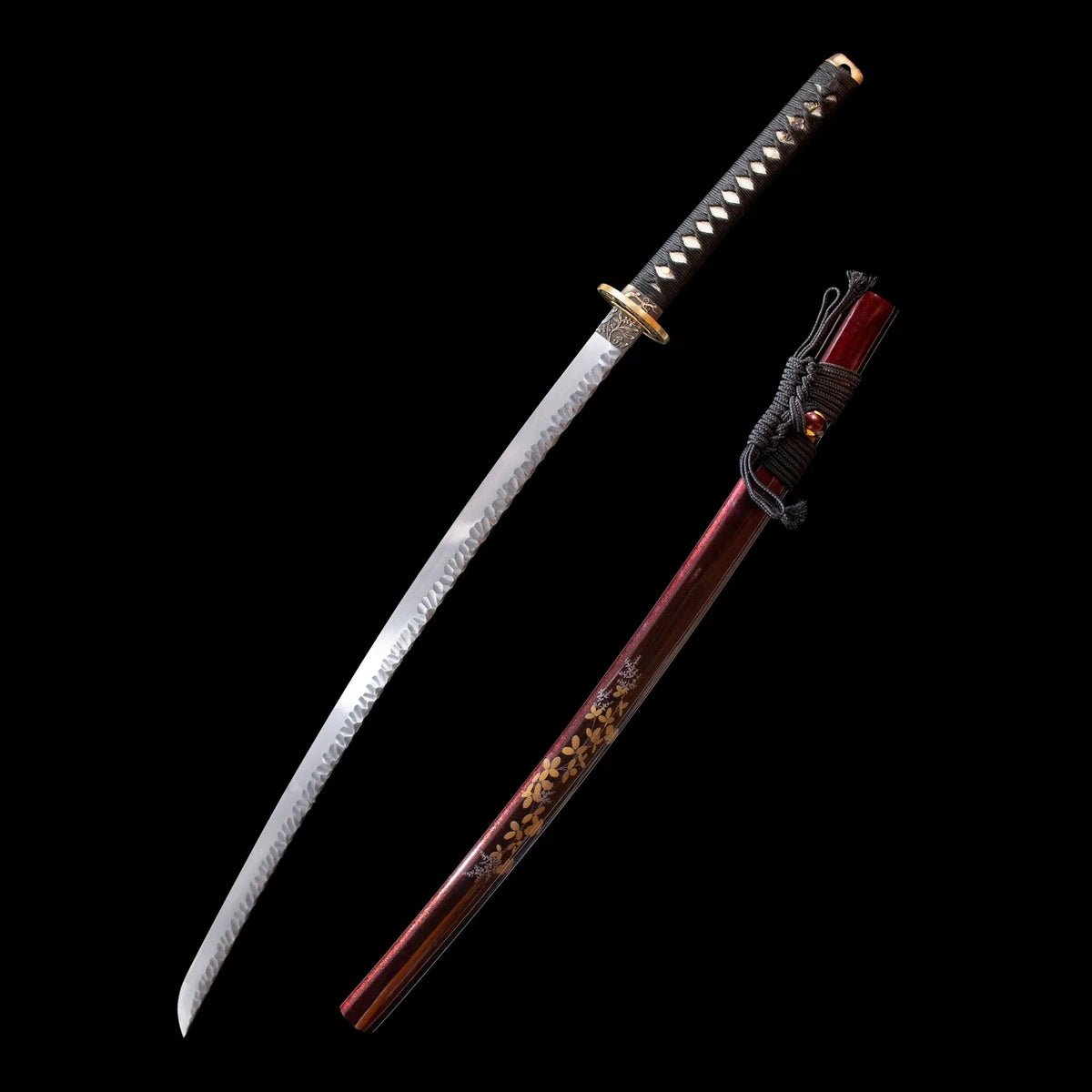
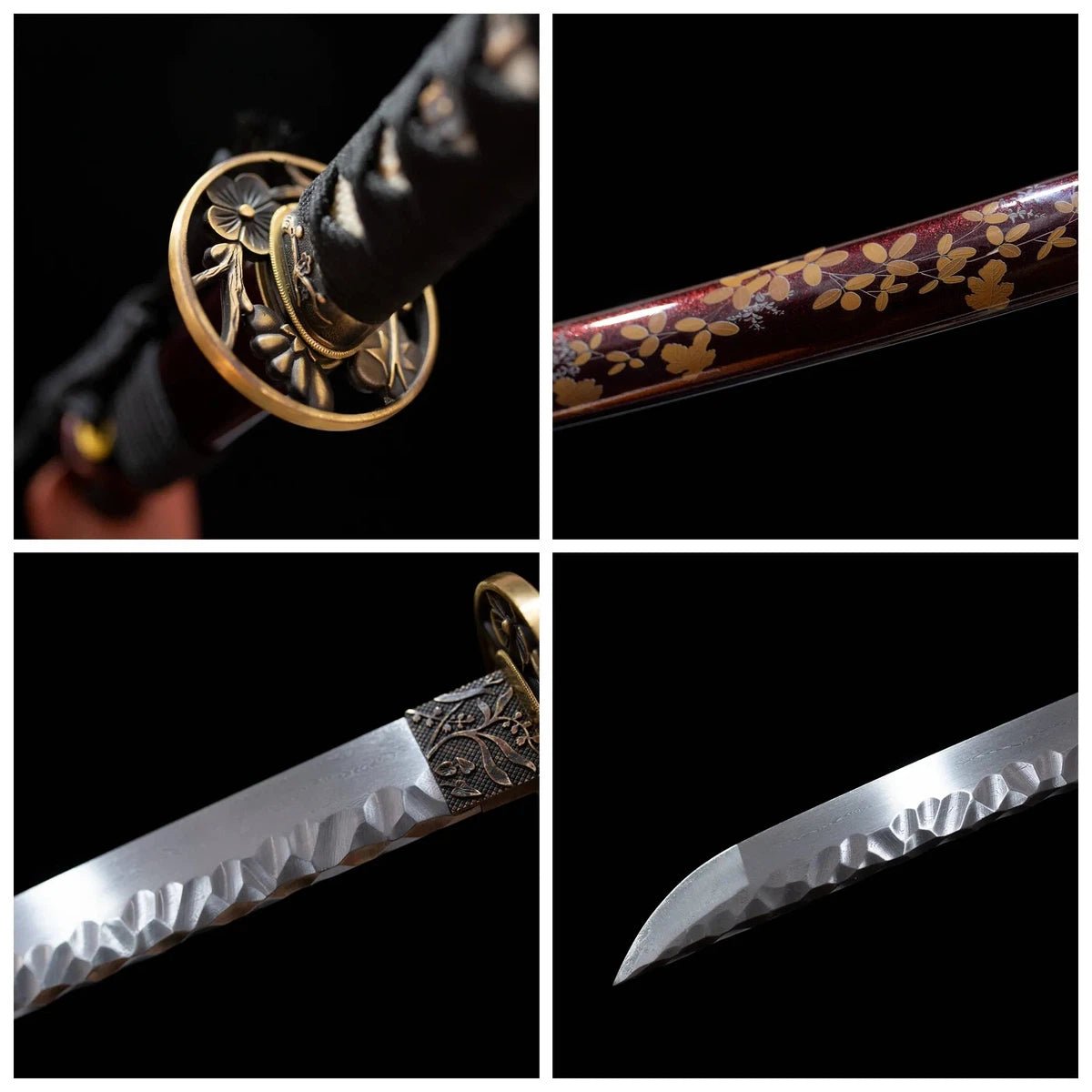
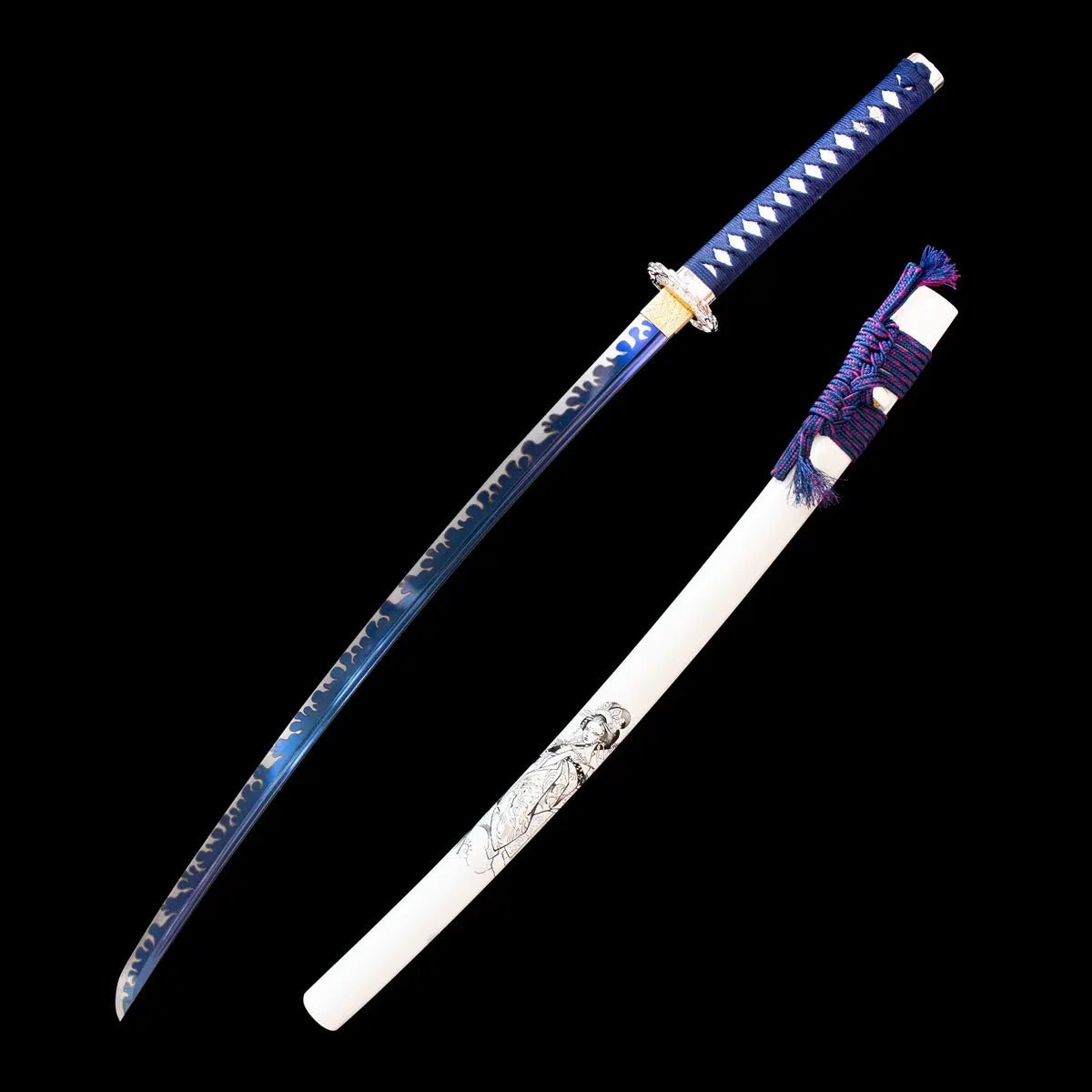
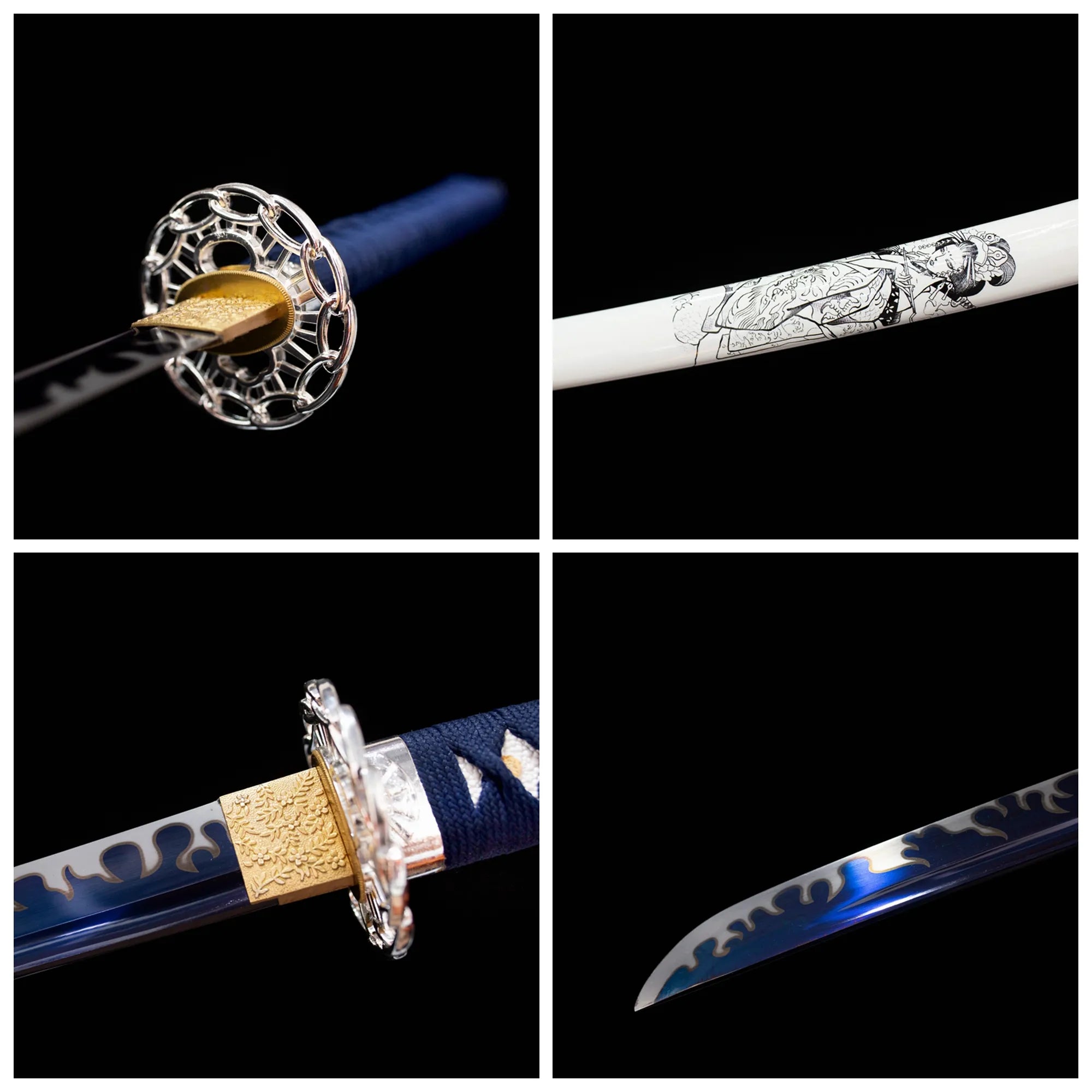


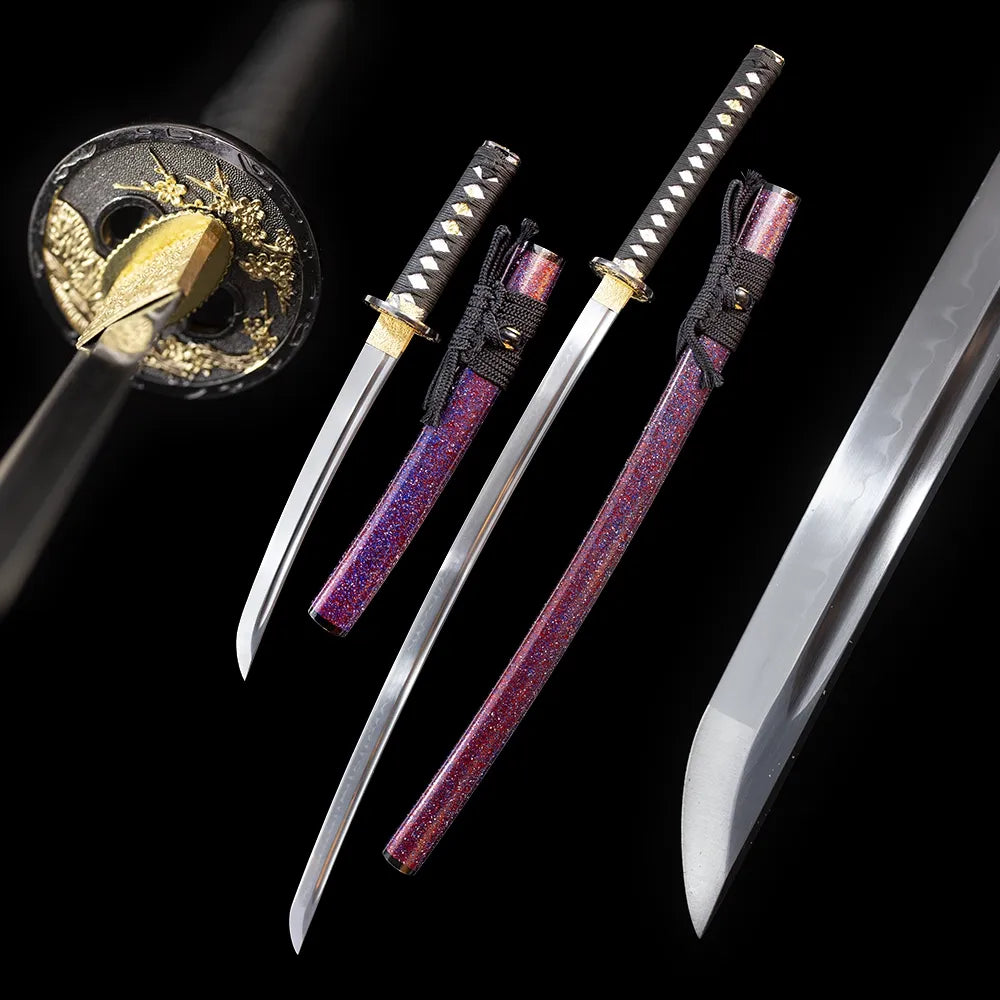
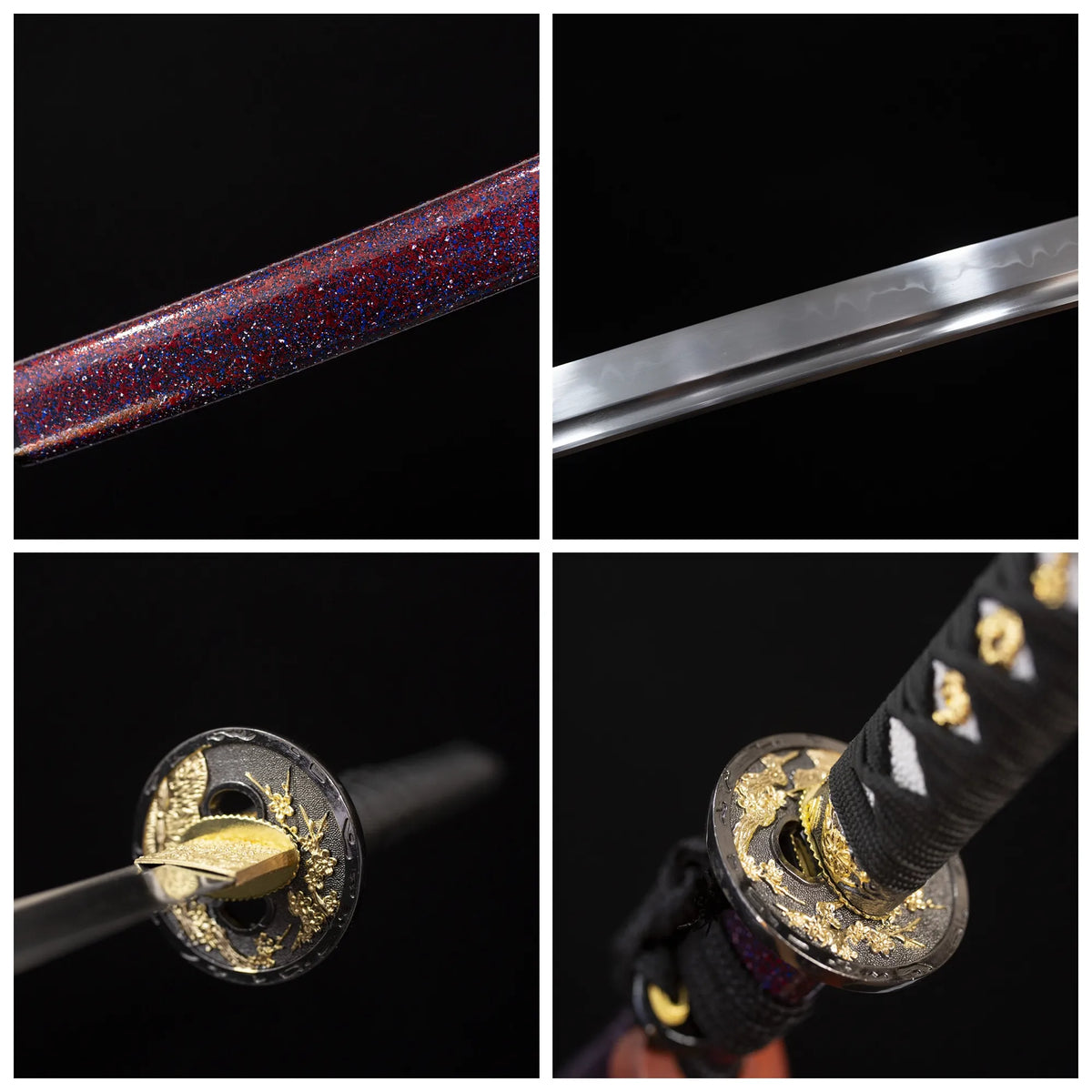
Katana Senior Player Must See Series
Mid Range Katana
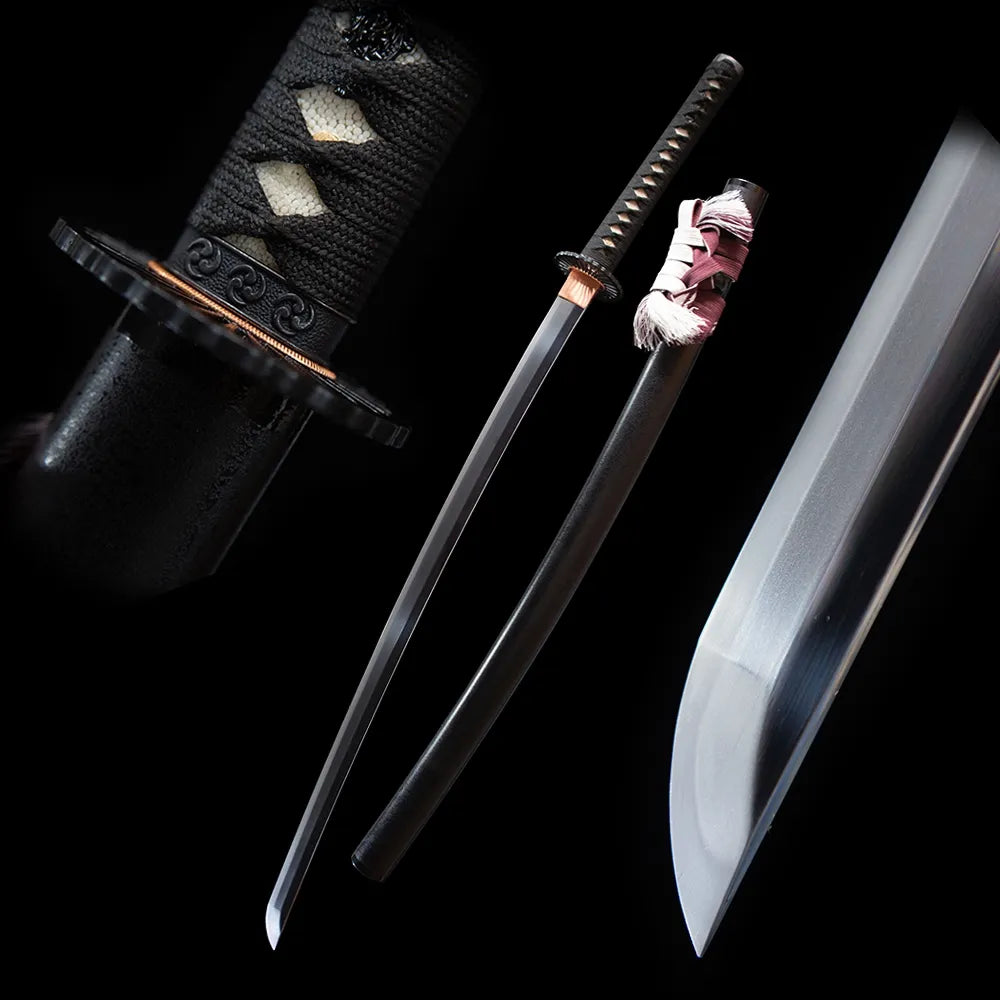
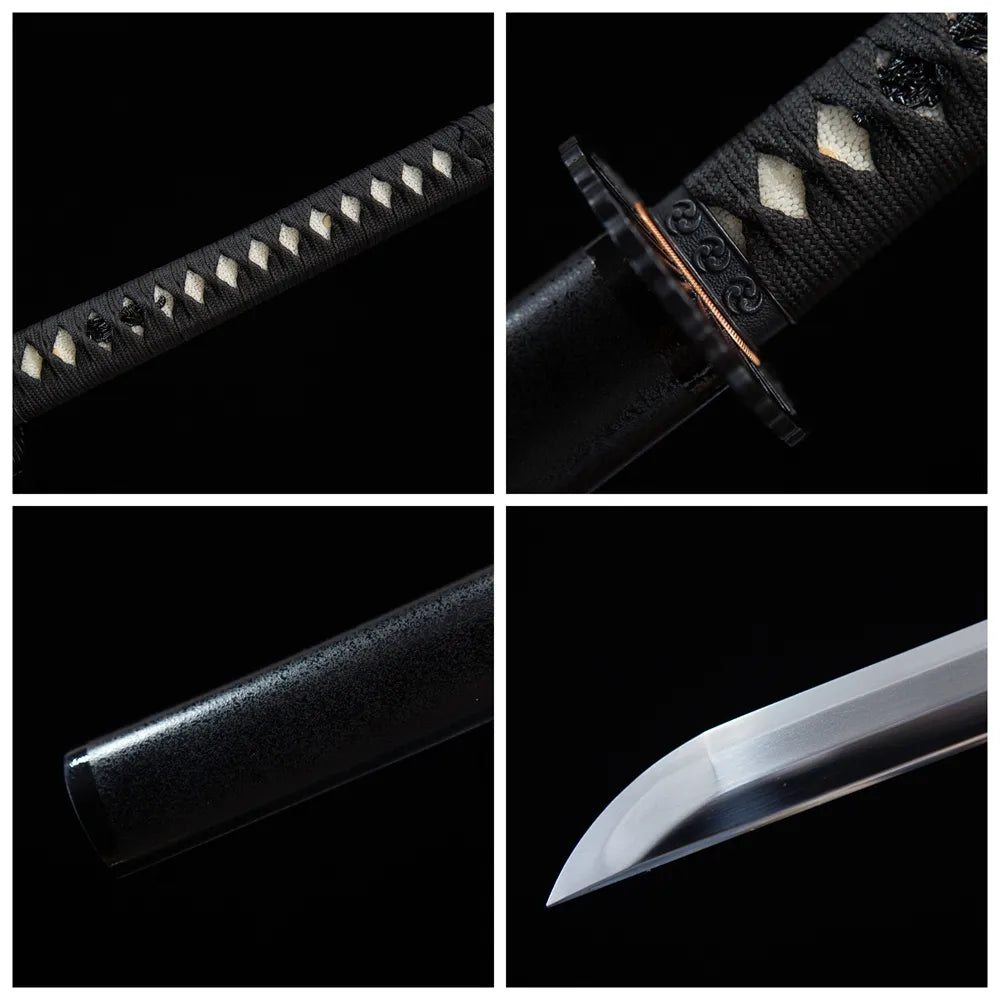
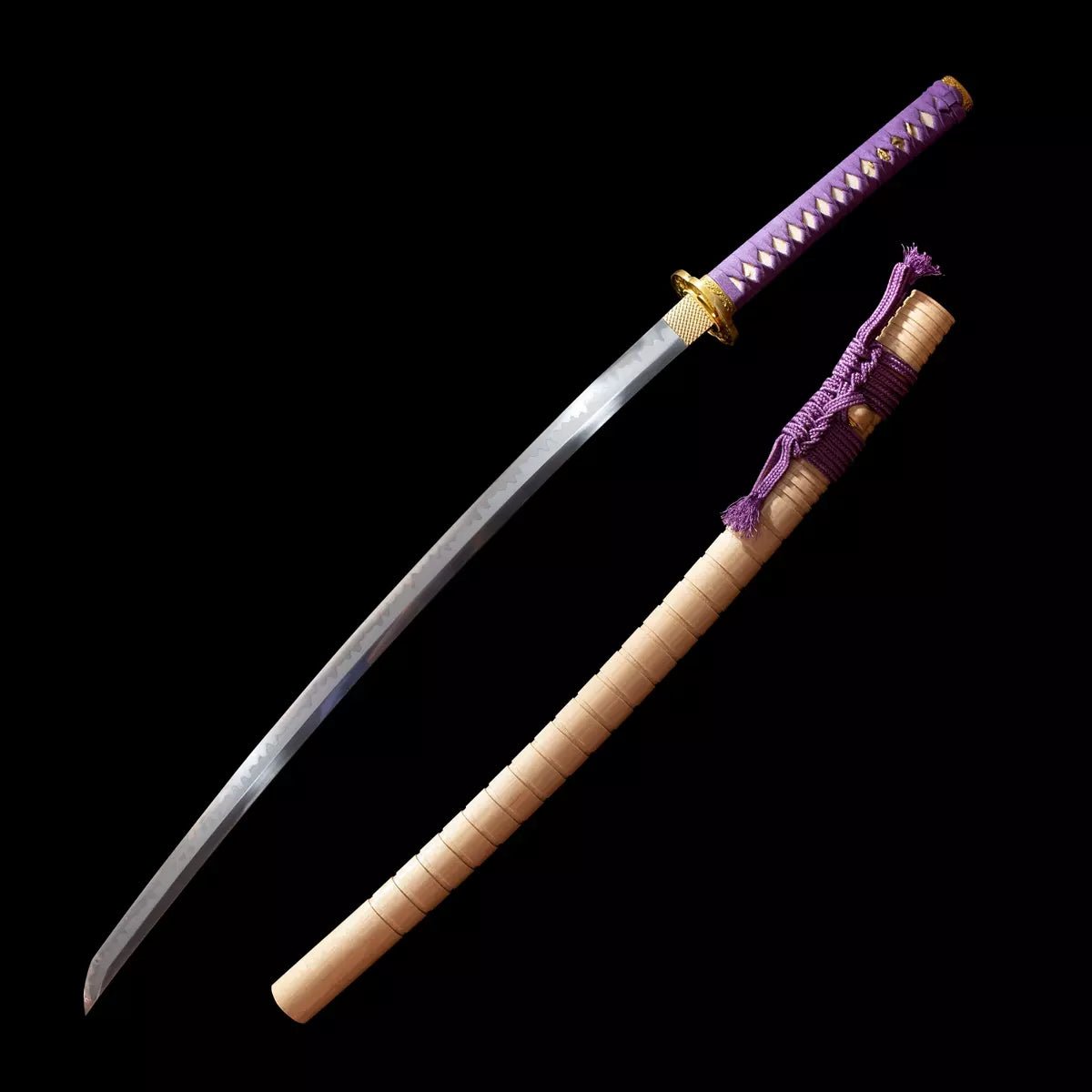
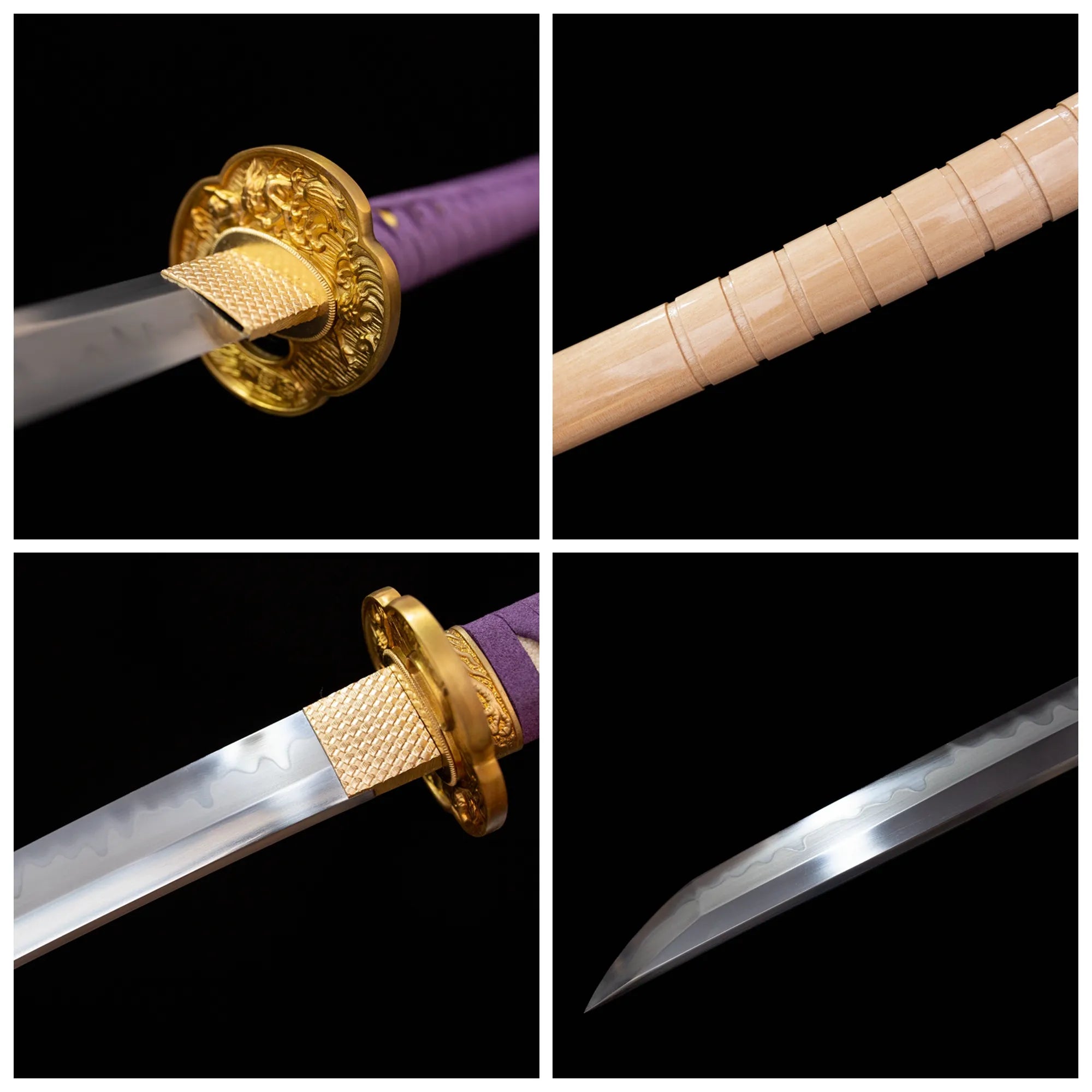
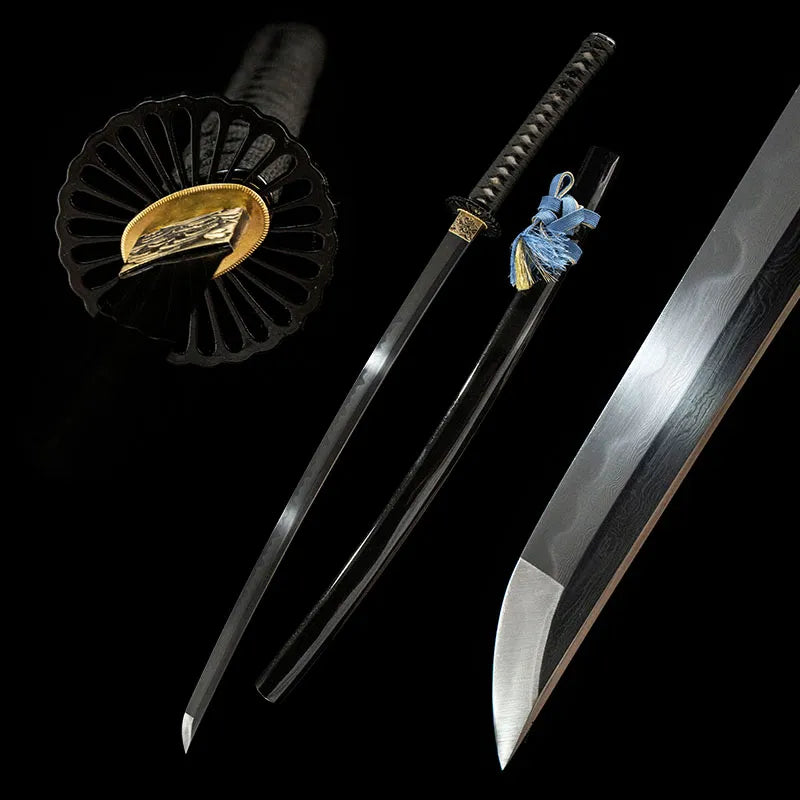
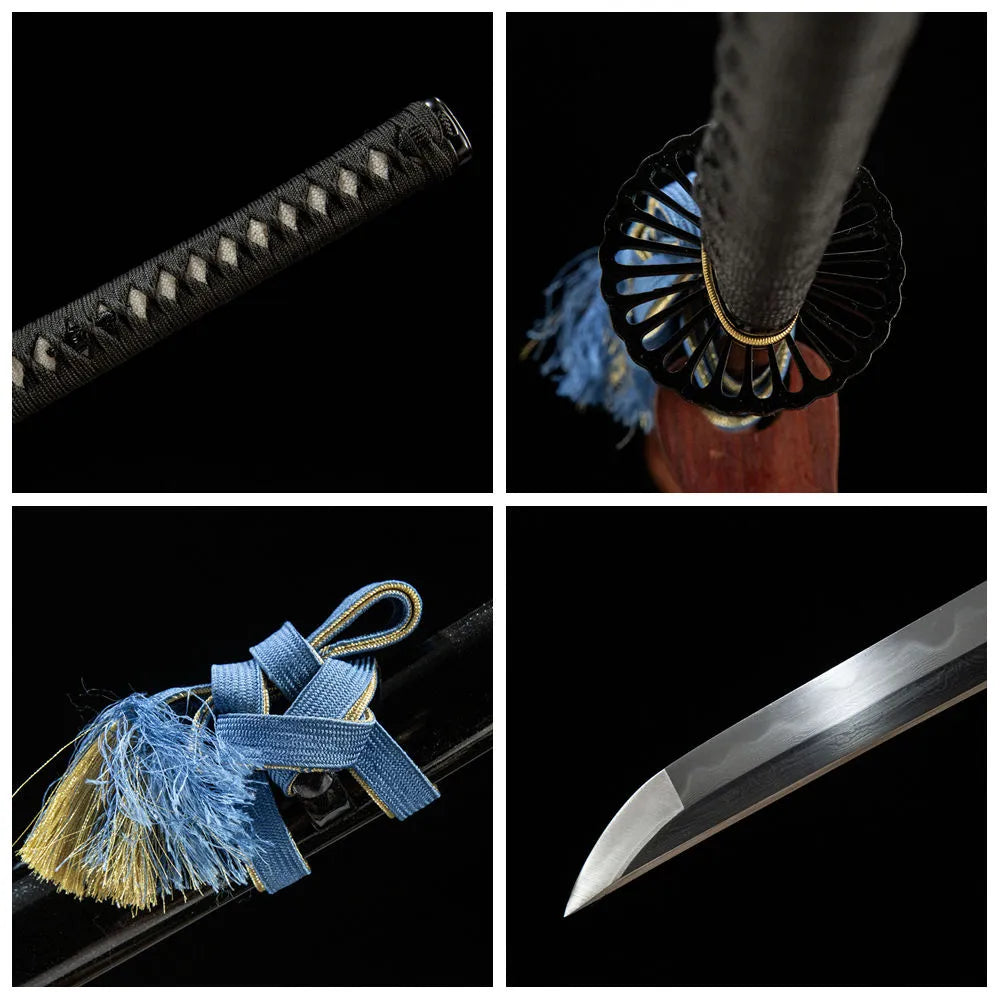
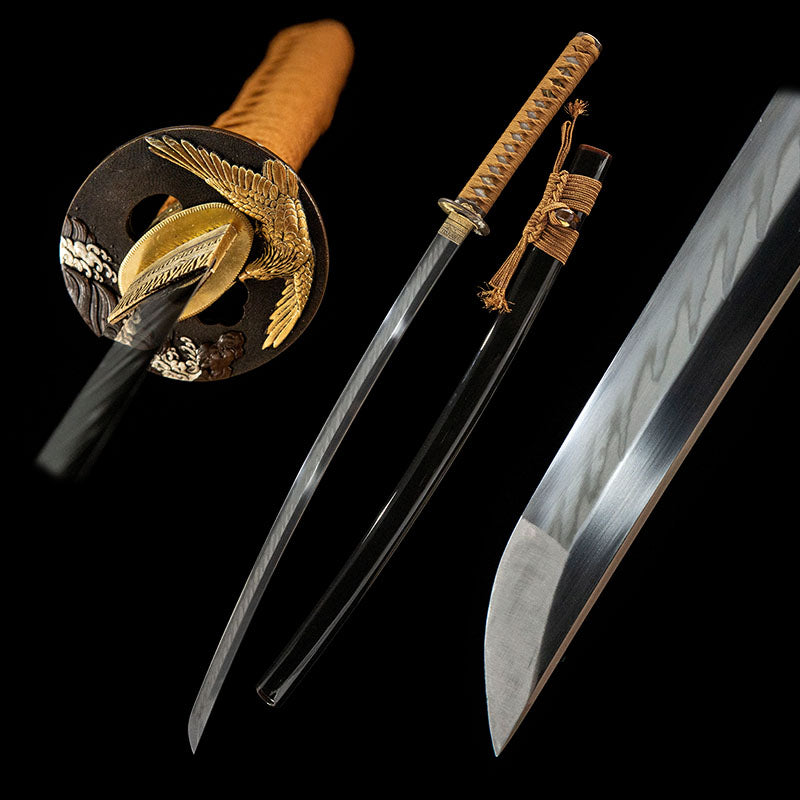
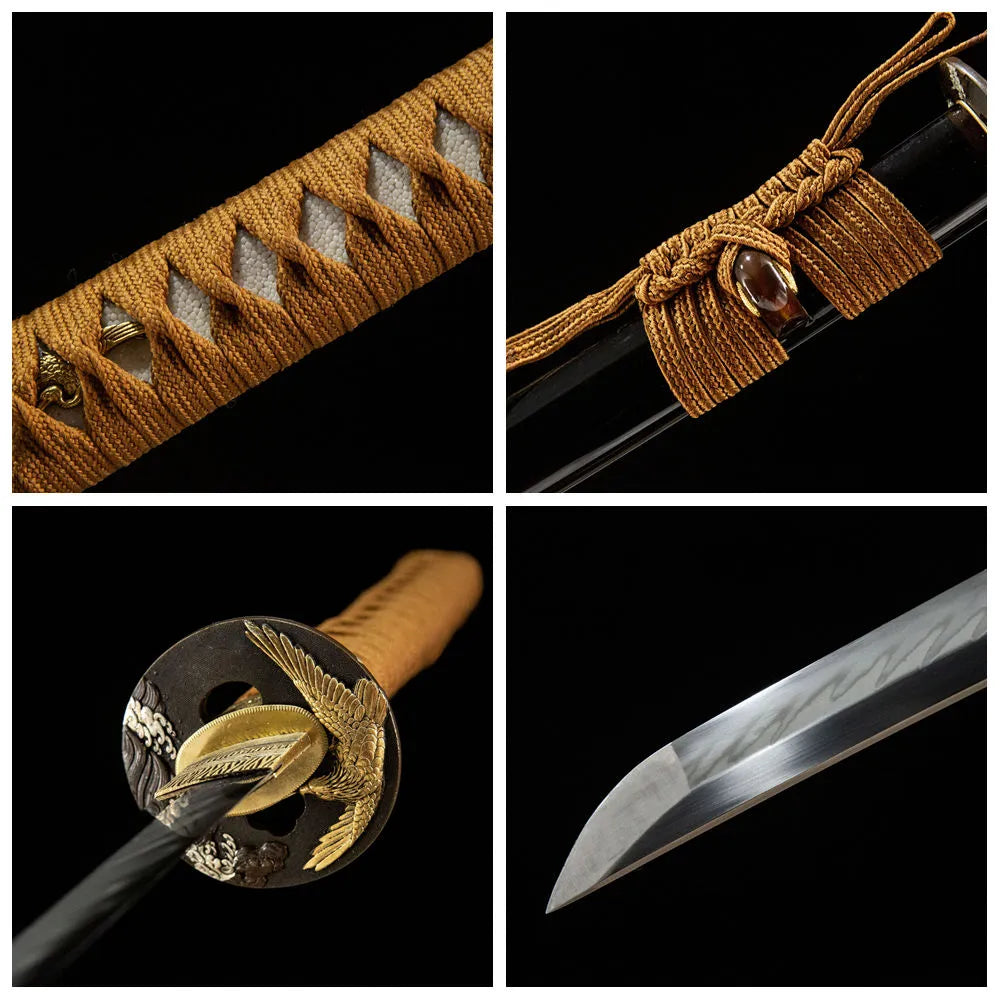
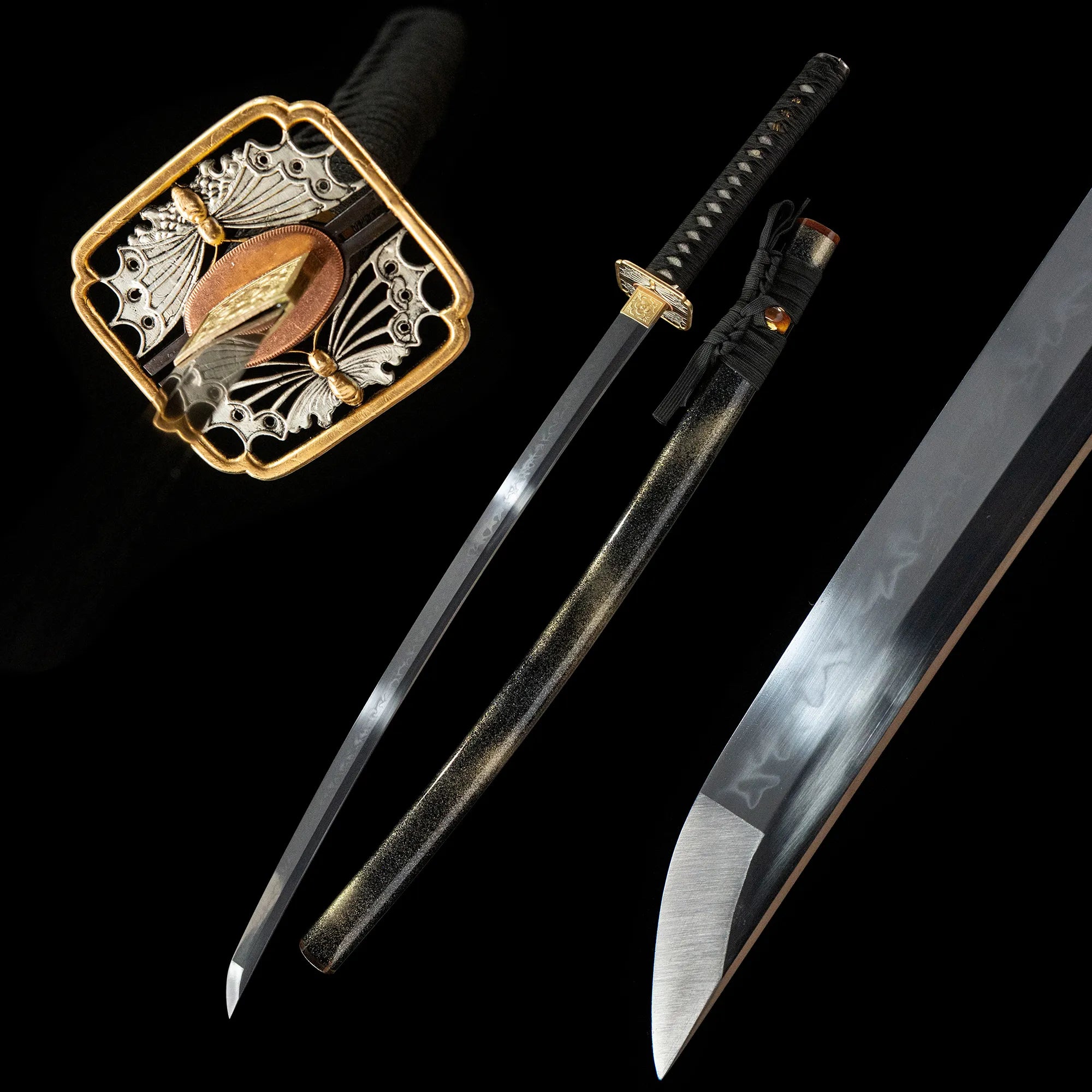
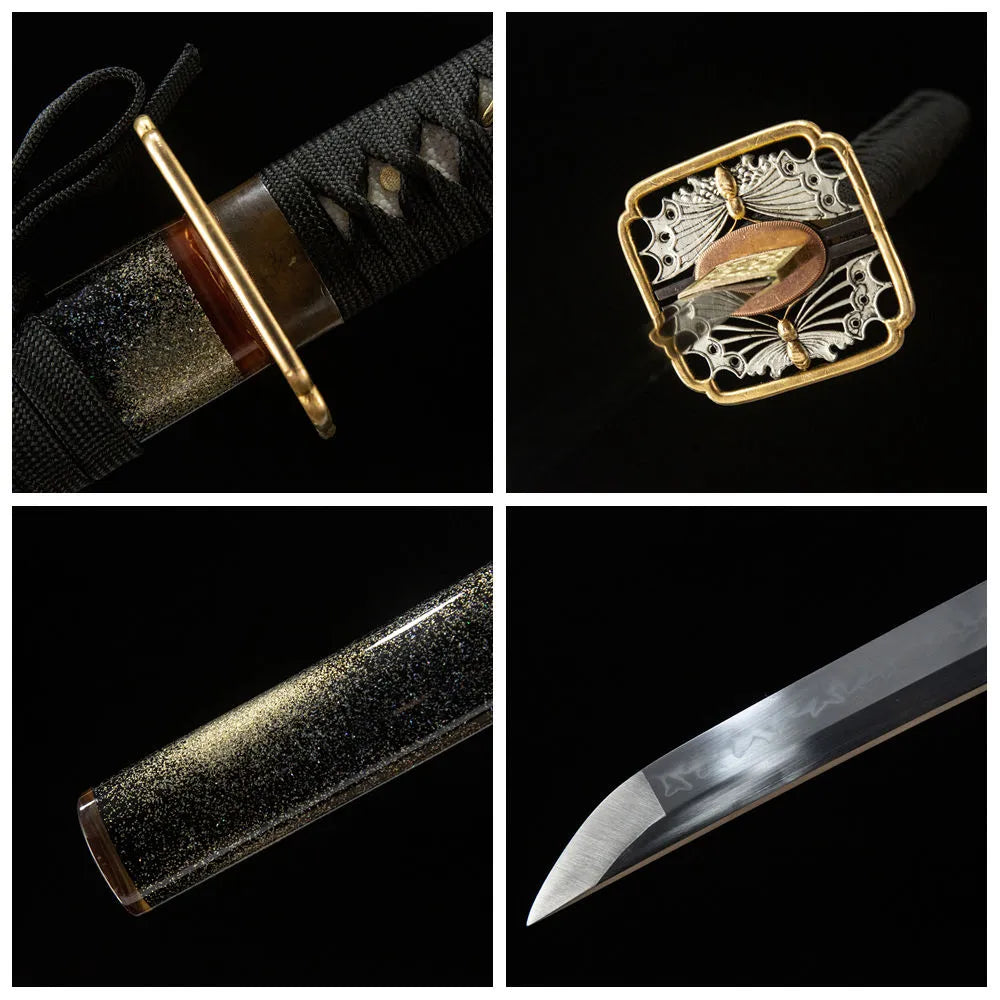
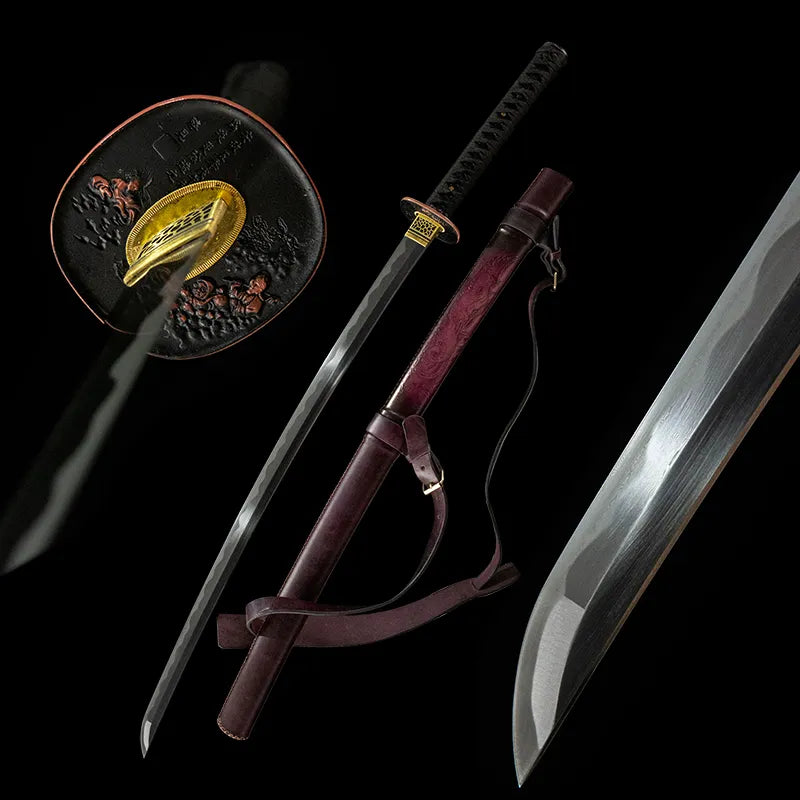
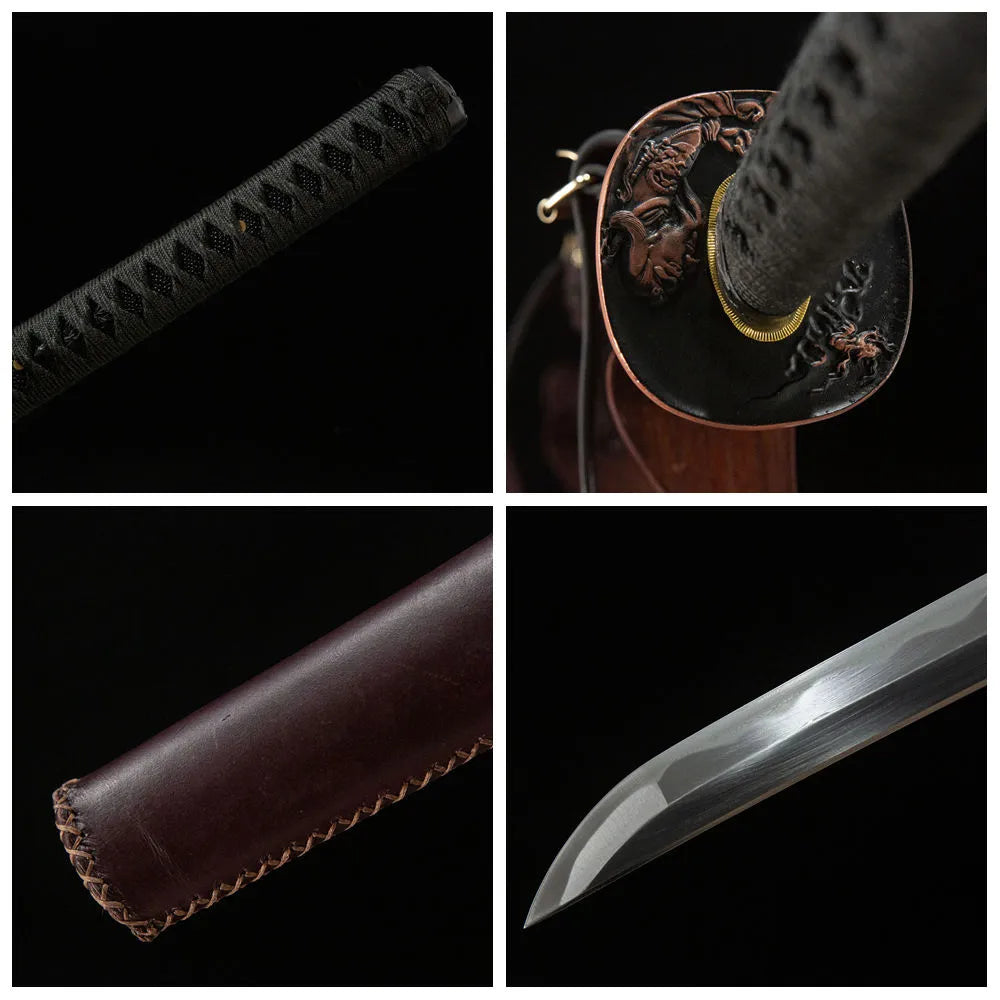
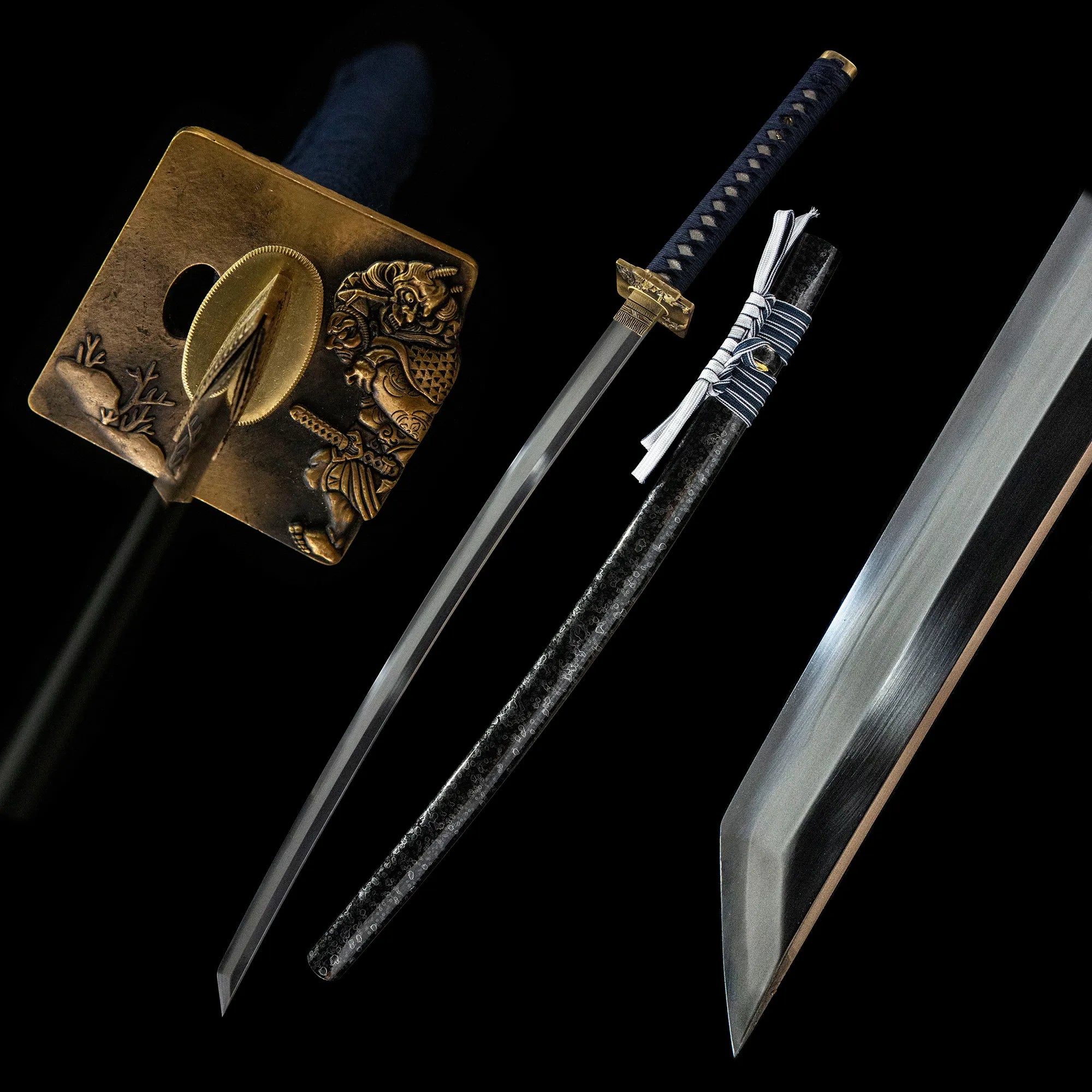
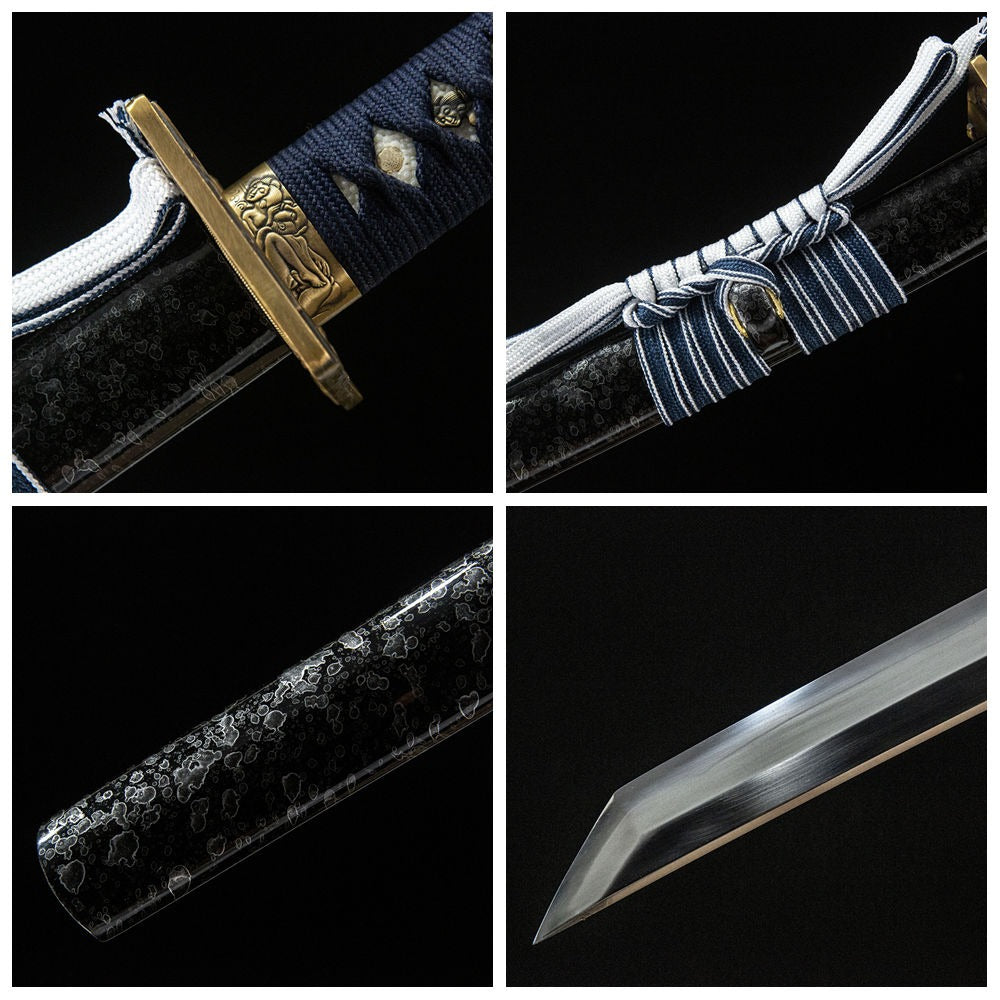
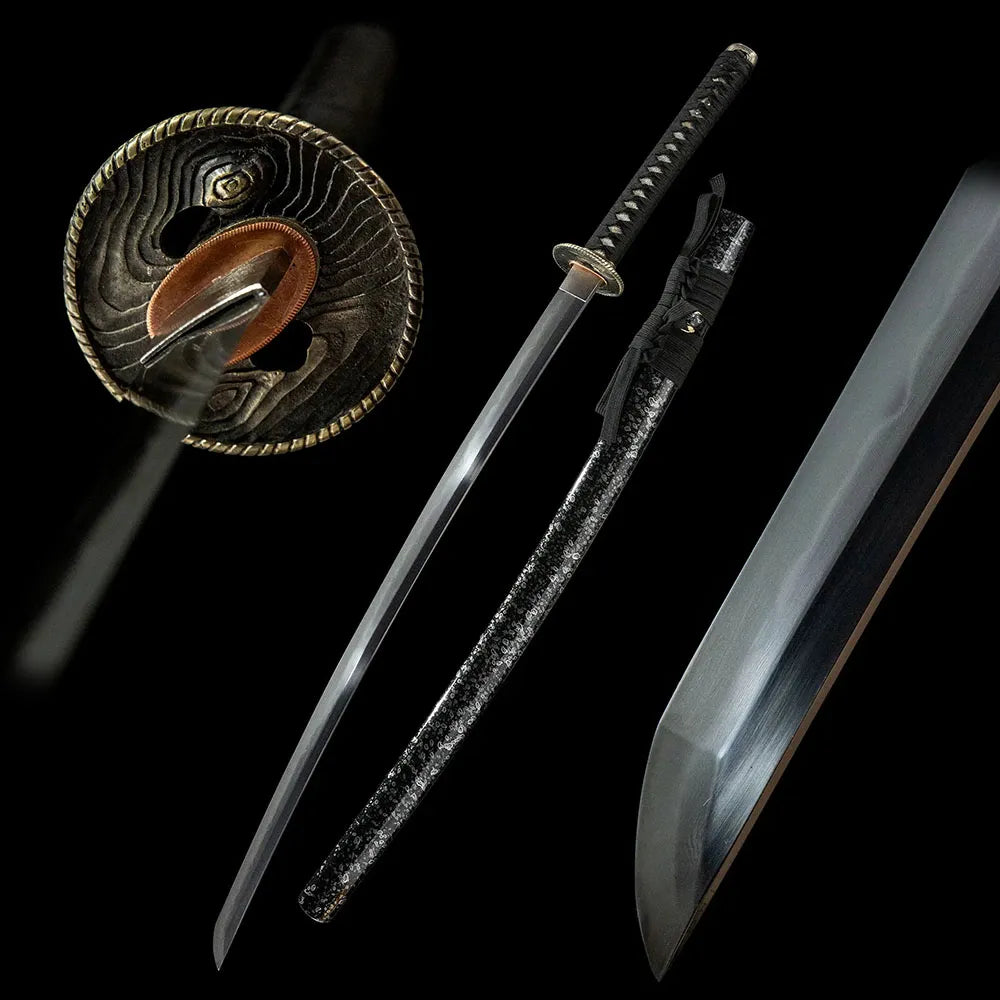
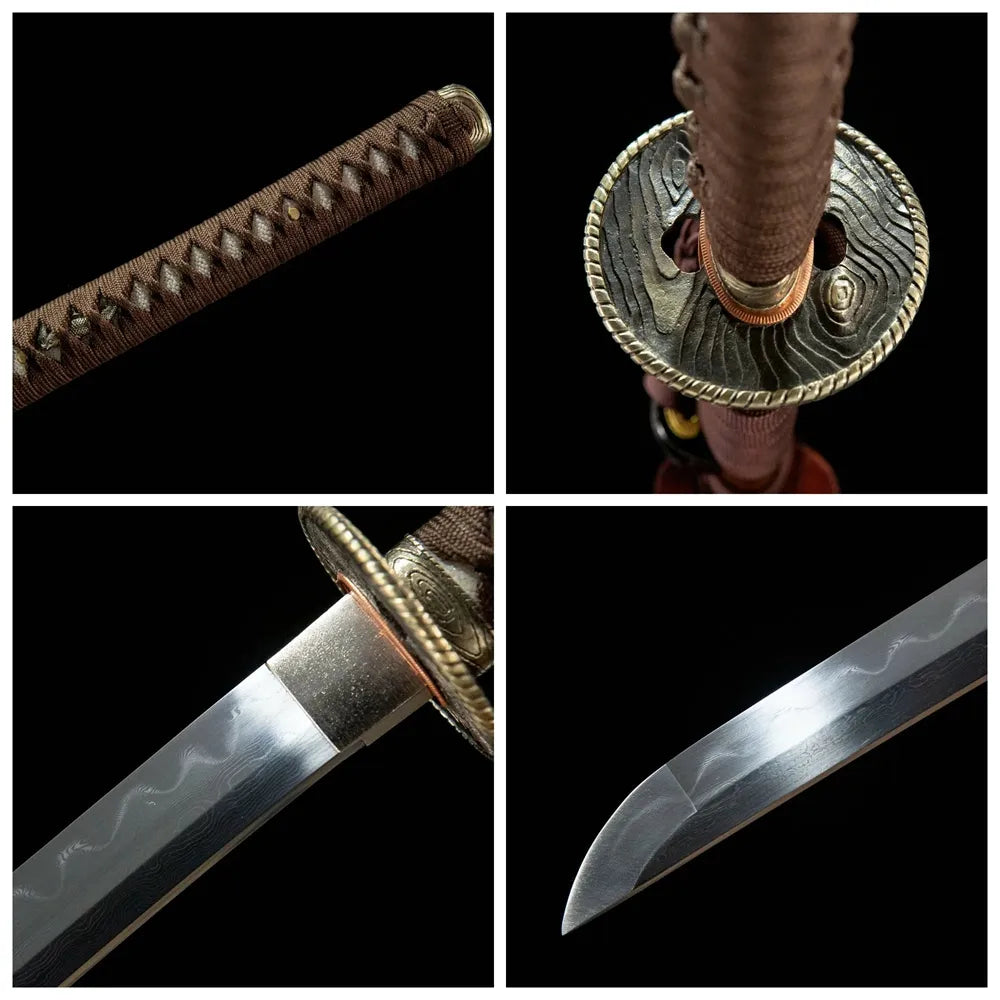
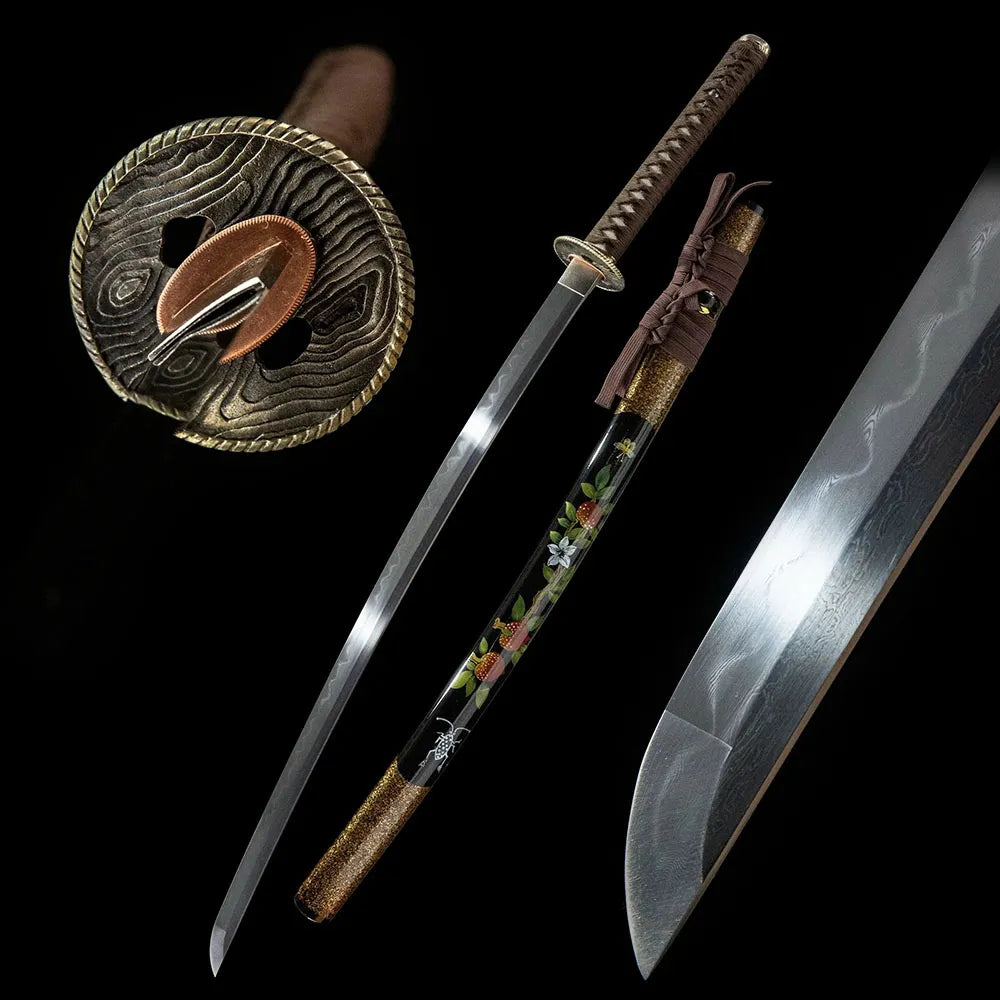
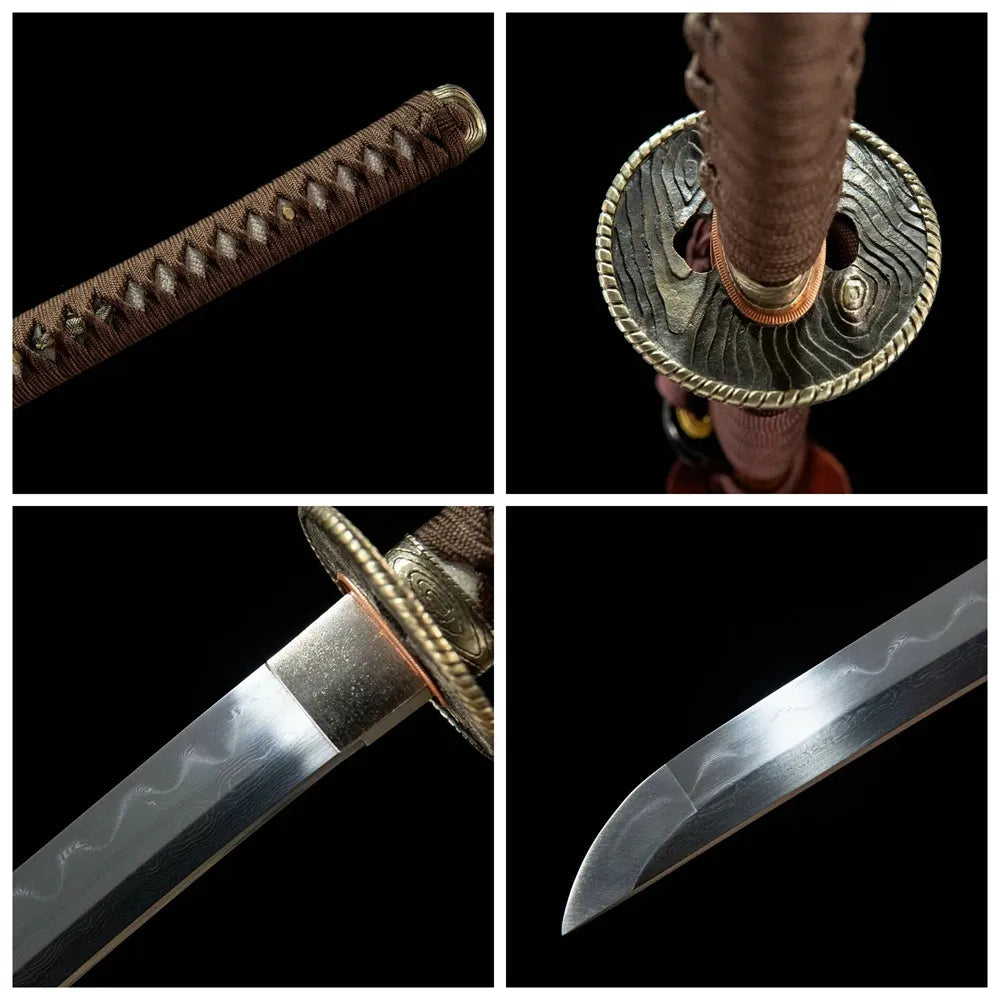
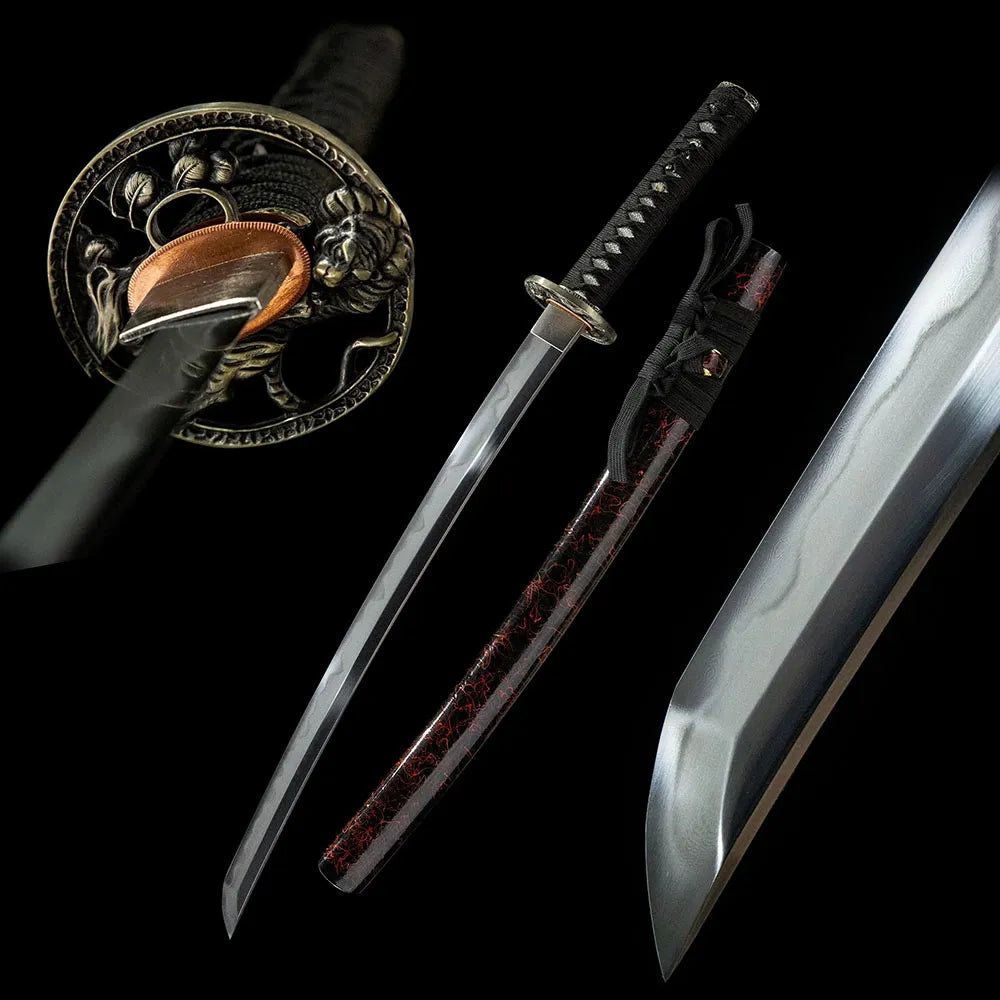
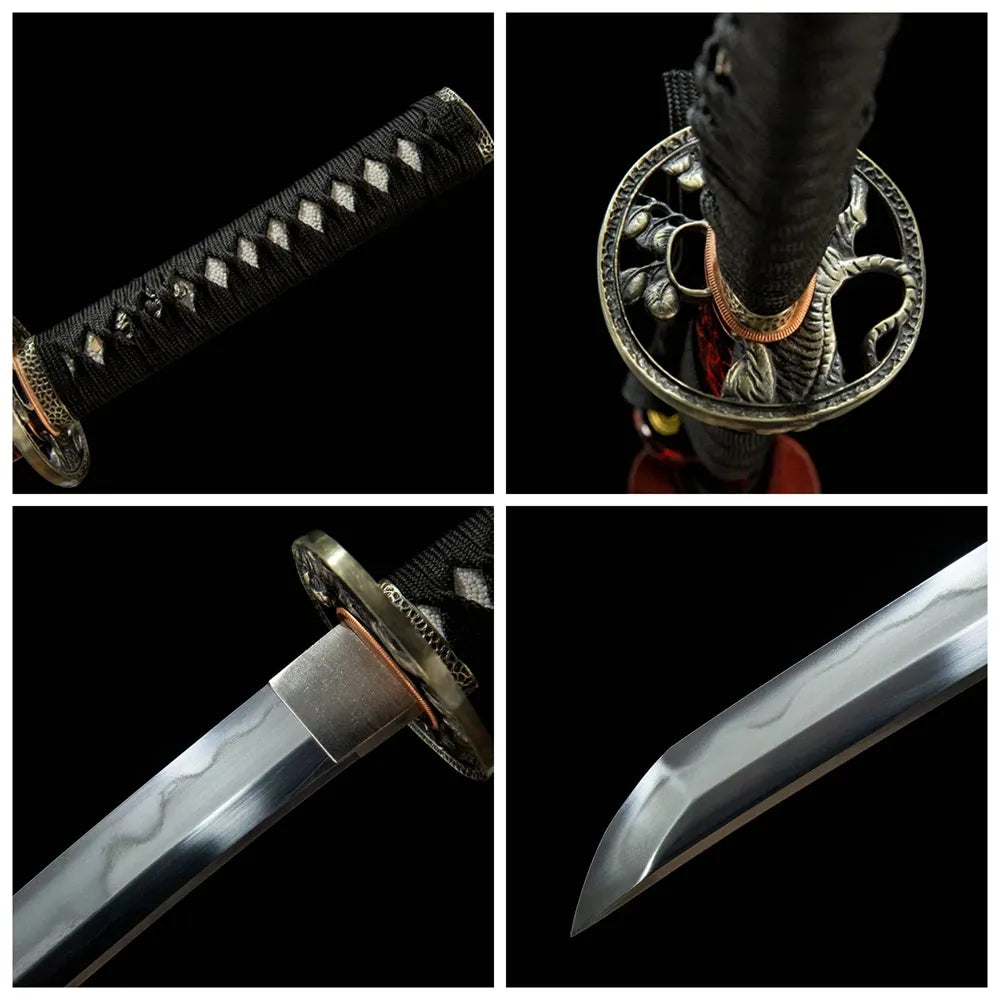
Prepared for crazy Katana enthusiasts
Expensive Katana
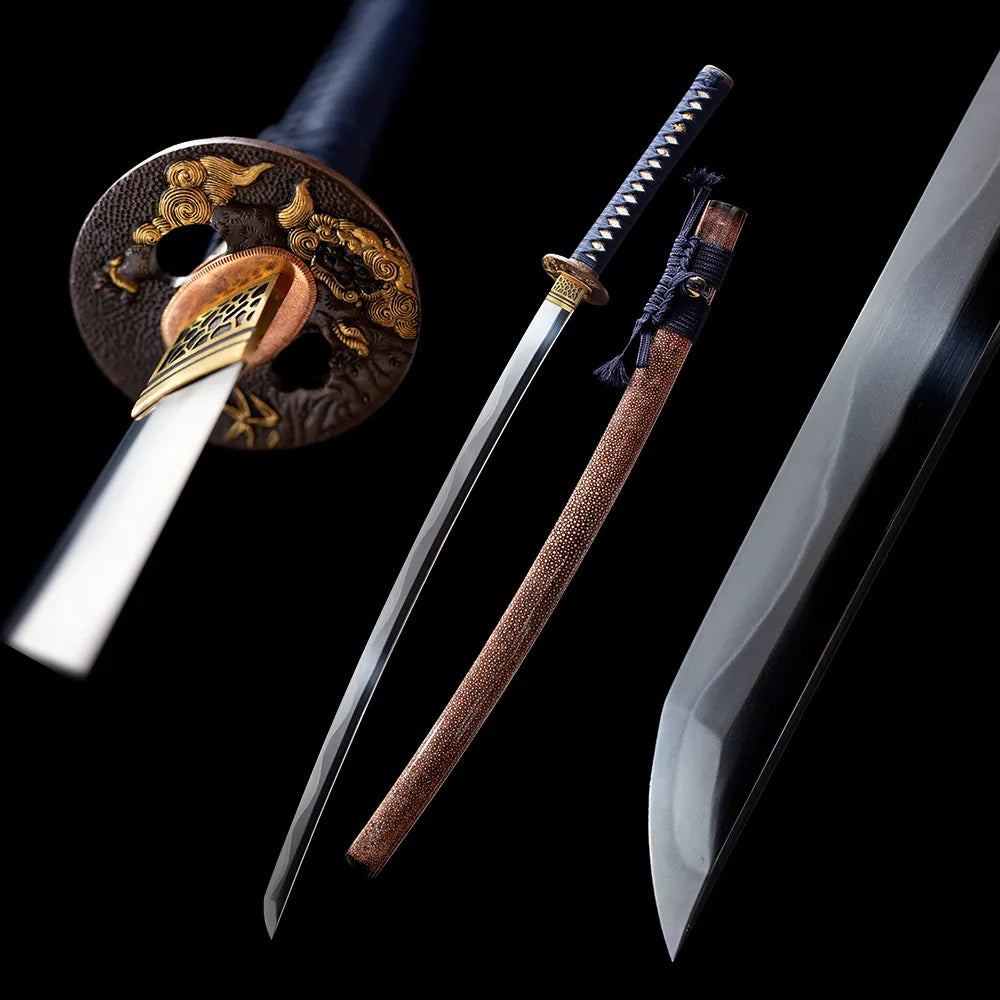
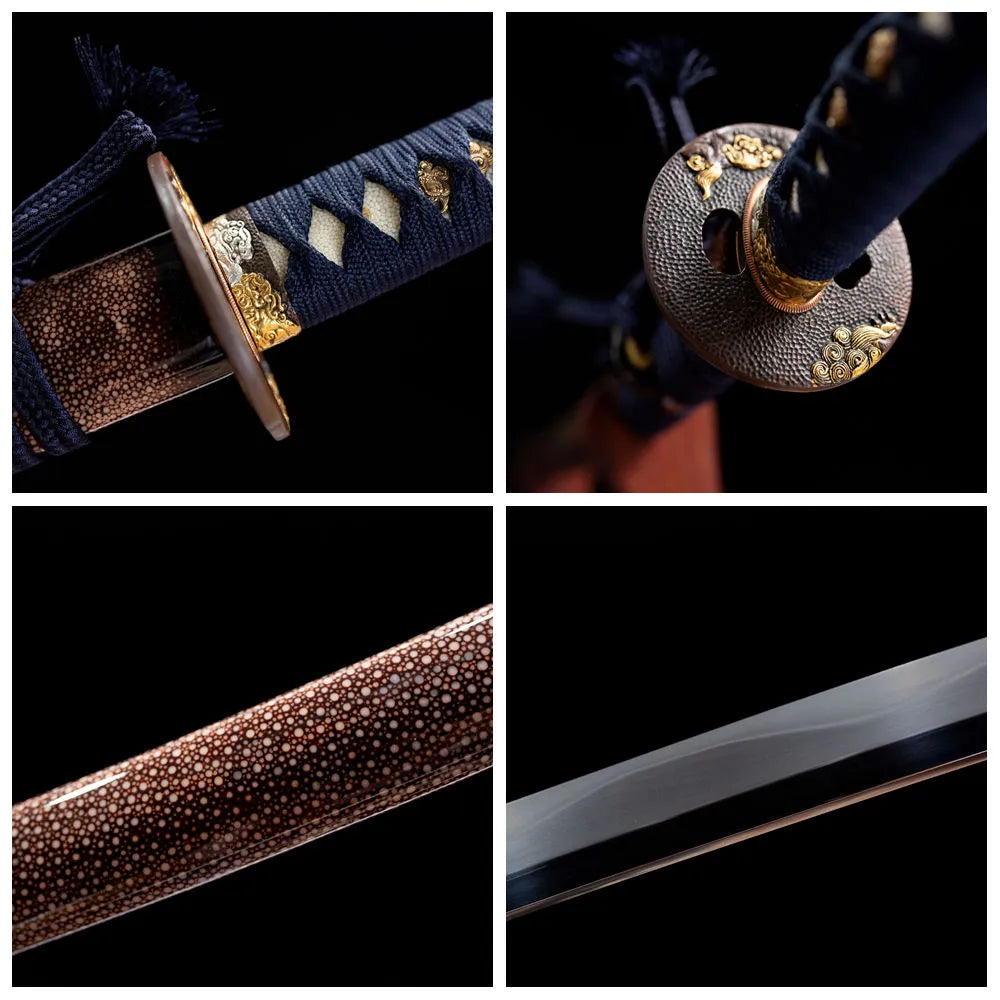
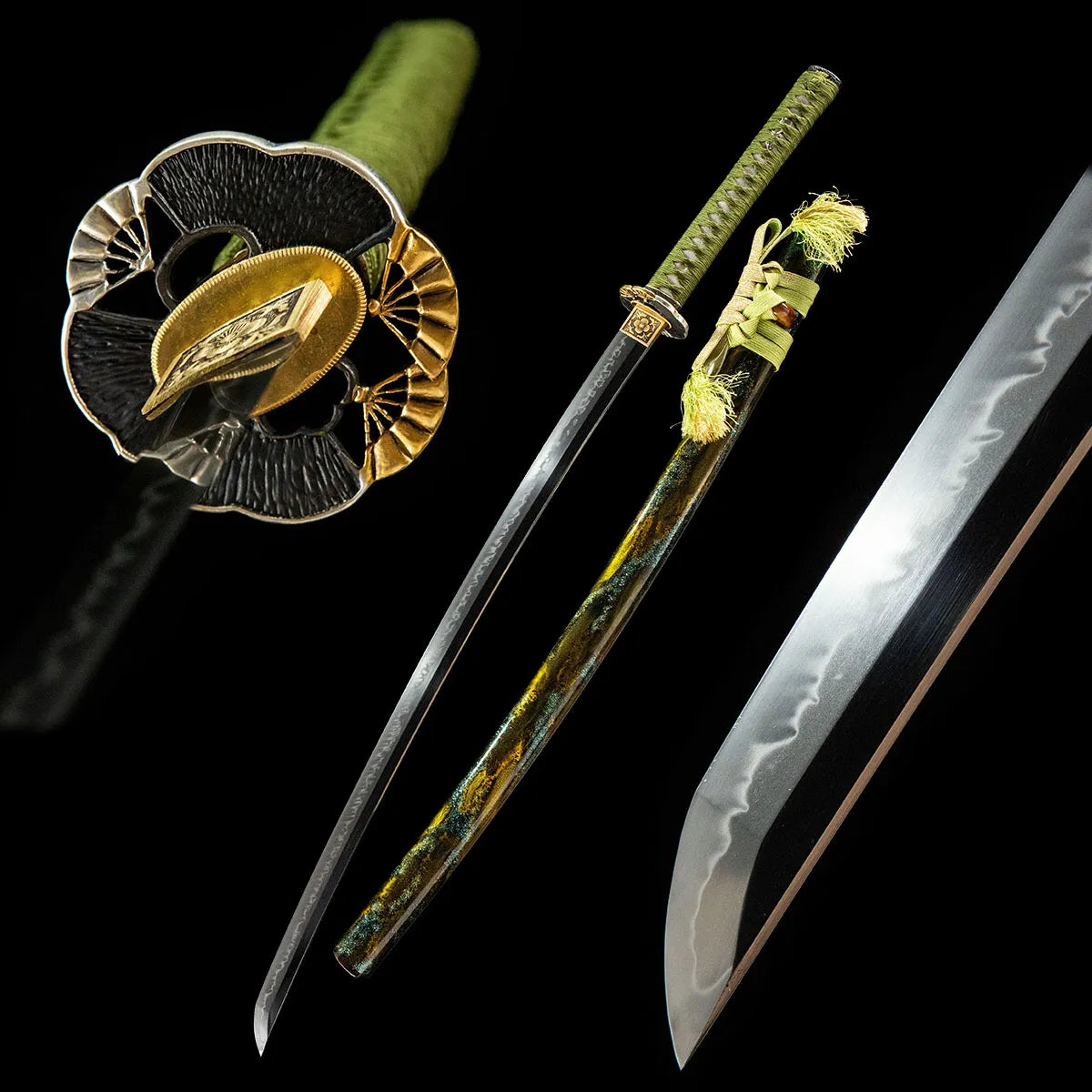
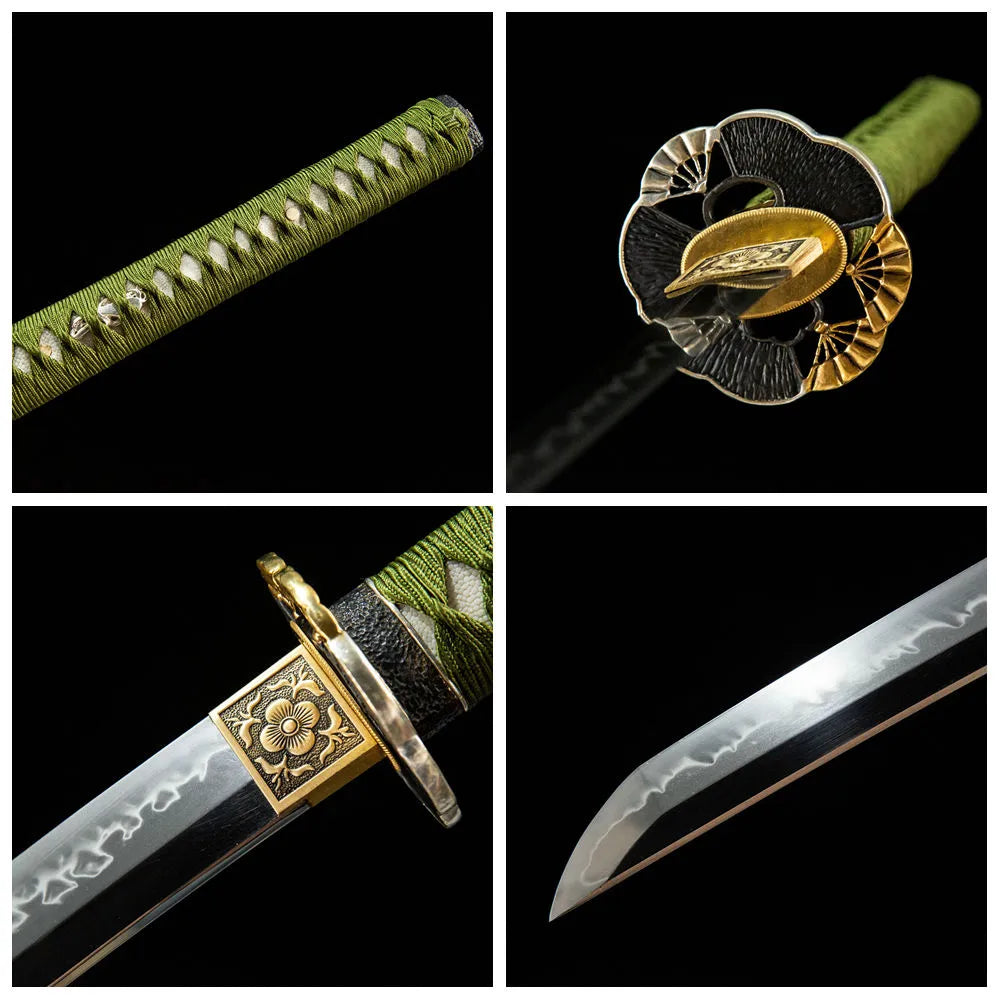
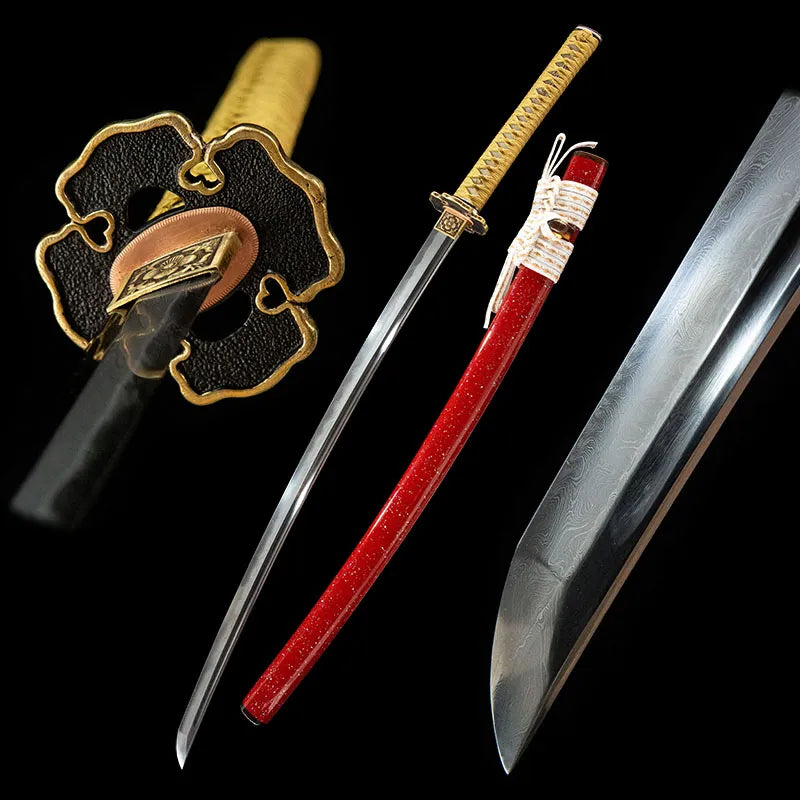
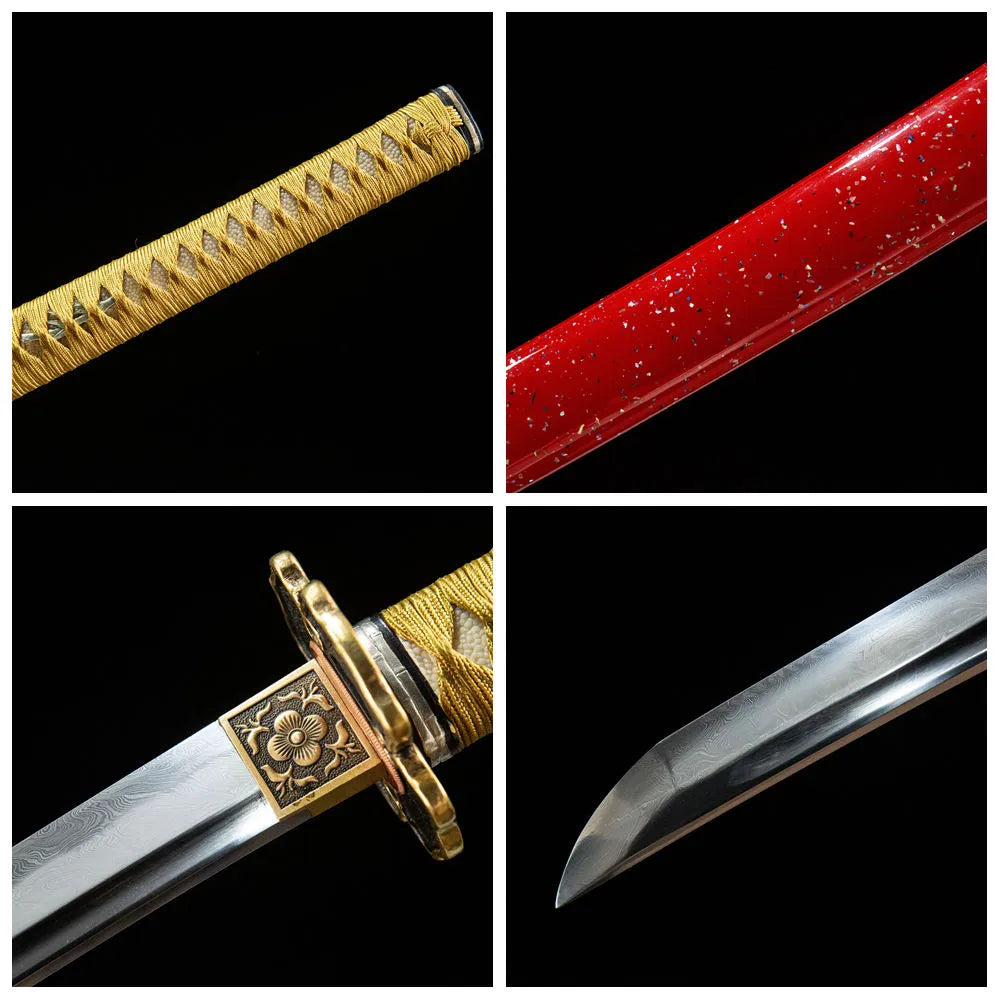
What Our Customers Say
Absolutely stunning handmade katana. The craftsmanship is incredible and the balance feels perfect. Worth every penny.
Fast shipping and great customer service. The sword arrived well packaged and exactly as described – high quality all around.
I’ve ordered multiple swords from Xingyu and they never disappoint. Authentic feel and beautiful details every time.
Frequently Asked Questions
Samurai sword It is a sword used by samurai (replaced by a katana). Since ancient times, katana have been known for their beautiful weapon shapes, and many famous swords have been collected as artworks, symbolizing the soul of samurai. One of the biggest characteristics of Katana is its artistic sense that transcends itself. From ancient times to the present, Katana has undergone many changes, leading to the expansion of many types of katanas. All of these Katana have their own professional terms: chokoto, odachi,tachi, taki, wakizashi, tando, naginata, ken, yari, jumonjiyari. The swords manufactured from the Meiji Restoration to the present belong to modern swords (gentaito).
The so-called "Hamon" is a professional term that covers the blade with soil and burns it. The blade does not need high hardness areas covered with soil and then heated to a specific temperature. When the red hot leaves enter the water, the exposed part quickly cools down, while the temperature change of the covered part is not very significant, resulting in a different hardness from the exposed part, achieving a balance of rigidity and softness. In the case of high hardness of the blade, it can still maintain the good toughness of the blade and achieve a very variable hamon texture, which is also an important link in determining whether katana is good or bad.
Full tang refers to whether the blade of Katana extends to the bottom of the handle, which is also the main factor determining whether Katana is sturdy. All of our samurai swords have a Full Tang structure with a thick keel that is fixed with mekugi, providing better strength and resistance during practice, while also respecting the technical knowledge of Japanese Sword.
Katana length has evolved in different periods in Japan. In modern forged katana, the classic length is about 40 inches and the blade length is 28 inches. However, depending on the type of sword and the user's body type, there may be different changes, as the katana must be suitable for your height. Therefore, in this length, if there is no suitable one for you, you can also choose to customize katana.
Our katana is independently designed and produced by craftsmen who have worked in the industry for decades through over a dozen traditional processes such as forging, quenching, polishing, and grinding. Each samurai sword has undergone fine grinding, making the blade very sharp and capable of being cut by Tameshigiri. In addition, higher-level katana will use different advanced grinding methods, which means that craftsmen will spend a few more days on this katana to make it sharp like a razor and display forged textures on the blade.
Generally speaking, our katana is already sharpen. But when you made the purchase, for some reason, you chose not to sharpen it. If you want to sharpen it yourself later, we will provide the following simple sharpening methods.
There are 4 main steps to sharpening a Katana:
Shaping work using an uchigumori stone to remove rust and scratches.
The blade is then passed over progressively smaller and finer stones in an effort to remove the marks from the uchigumori stone.
Hazuya stones glued to traditional Japanese paper are then used in order to remove the microscopic scratches that are left from the previous polishing.
Finally a Jizuya stone is used and rubbed on the surface of the blade, this is a long process done until the stone wears out.
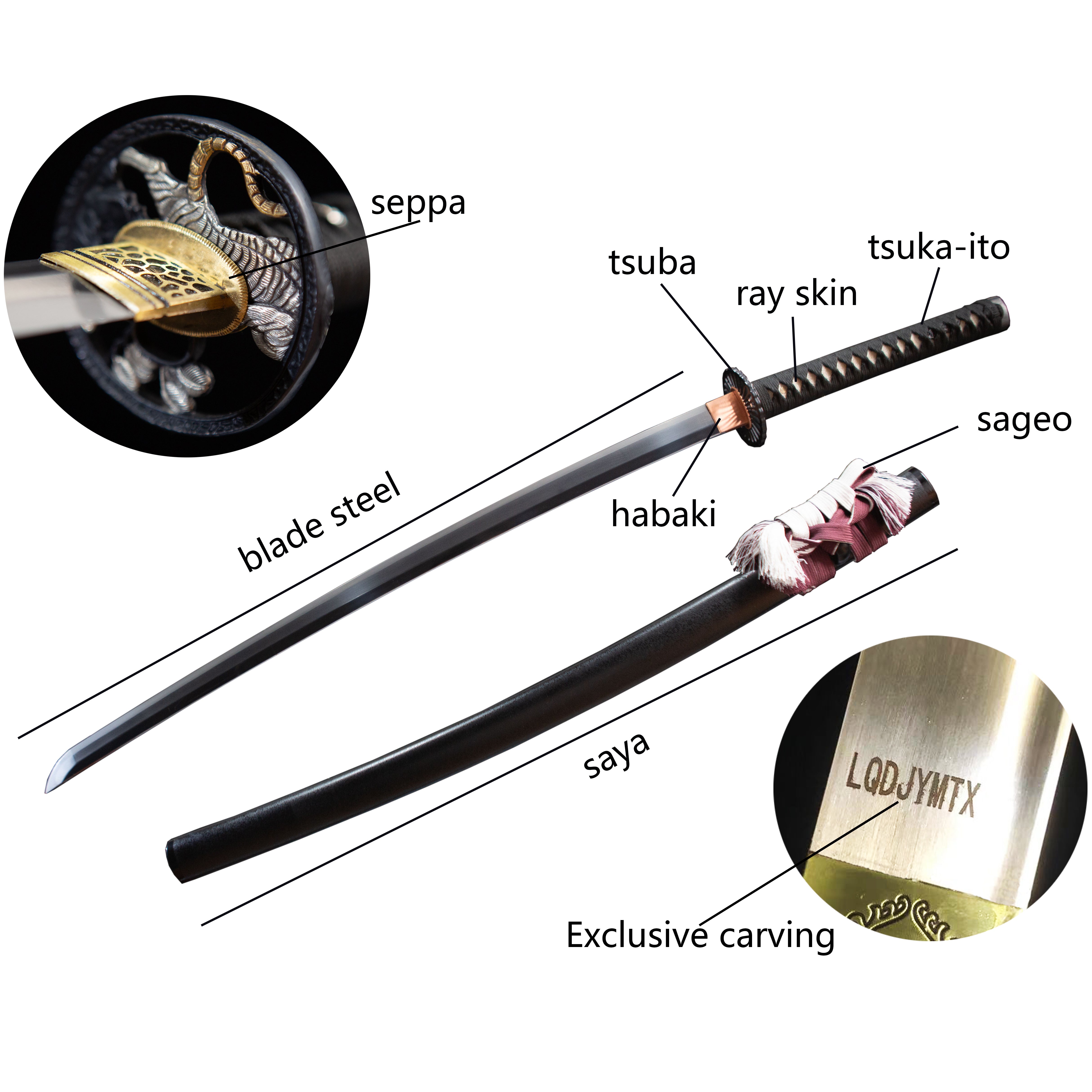
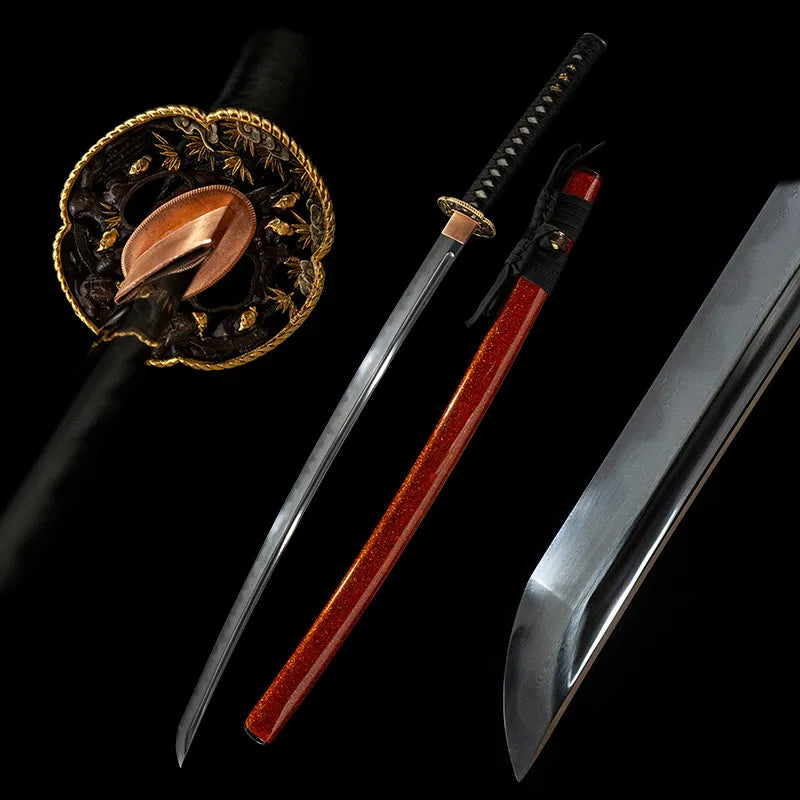
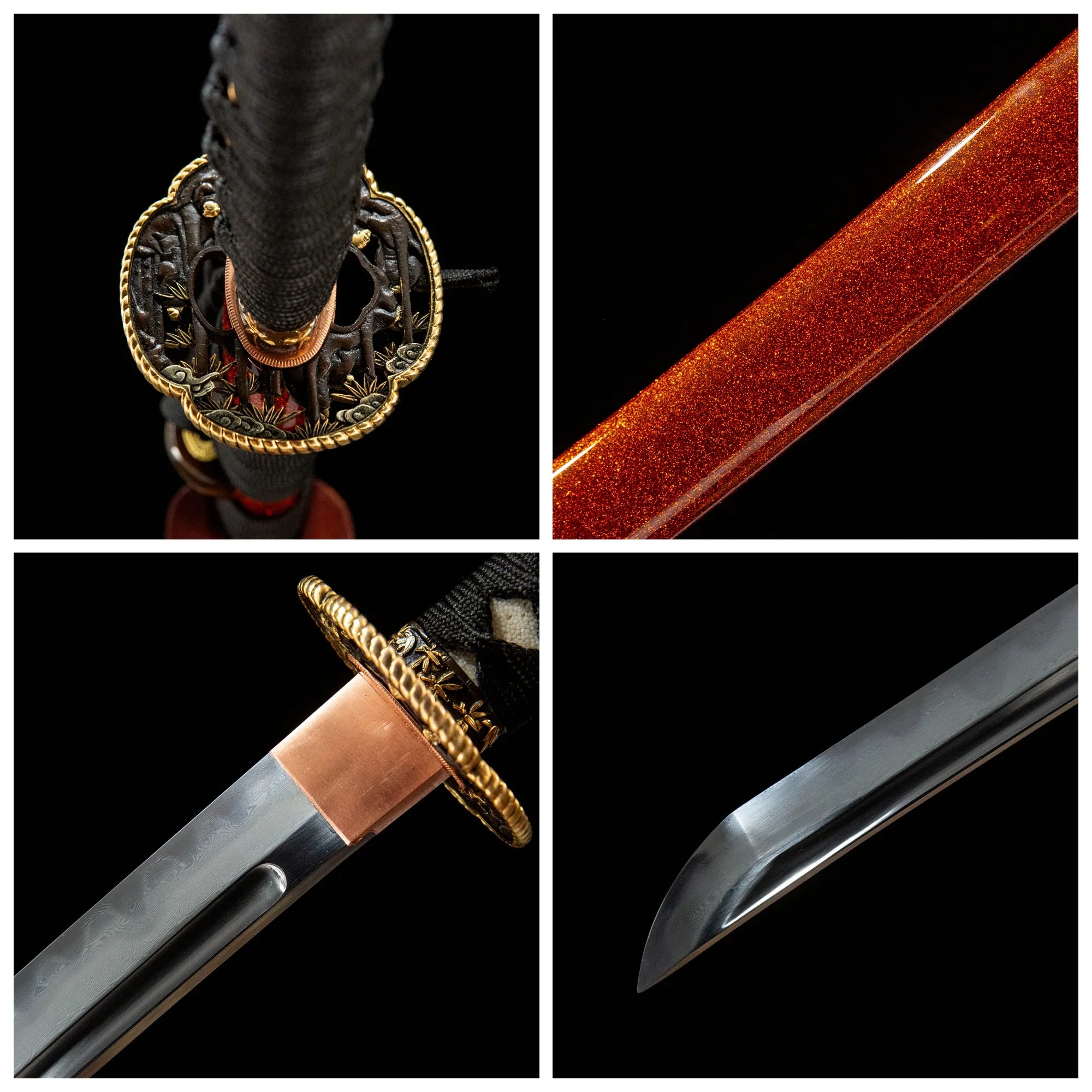
The various parts of a real katana have professional terminology, and you can distinguish whether the purchased product is a real katana or a simple katana shaped sword based on the completeness of these parts.
Terminology and Parts of a Katana
The purpose of using oil to maintain the blade is to form an oil film on the surface of the blade to isolate the oxygen in the air and prevent the daily storage from oxidizing and rusting the blade.So it is not recommended that you erase. Additionally, Katana should not be placed in direct sunlight or in damp or excessively dry areas. If you touch the back of the katana with your hand, or if you have dripped acidic liquid on the blade, you need to wipe it clean with a clean cotton cloth before spraying maintenance oil again.
Katana is considered a cutting tool and is subject to legal jurisdiction. Therefore, its complete legality. In the United States, you must be at least 18 years old or obtain explicit permission from your parents to own Katana.
Whether you can carry a samurai sword outdoors depends on your state of residence, and we suggest that you check the laws of your state yourself. Generally speaking, carrying swords in public is prohibited and must be carried in dedicated bags or safe boxes.
We provide services on a global scale, however, you need to check your country's purchase and weapon import conditions in advance. We cannot always check the regulations of each country and modify the countries we serve based on these regulations.
Xingyu sword produces real samurai sword, usually priced between $5000 and $15000 in Japan. However, in the xingyu sword store, you can buy a real katana for over $200
Custom Katana – Forge Your Perfect Samurai Sword
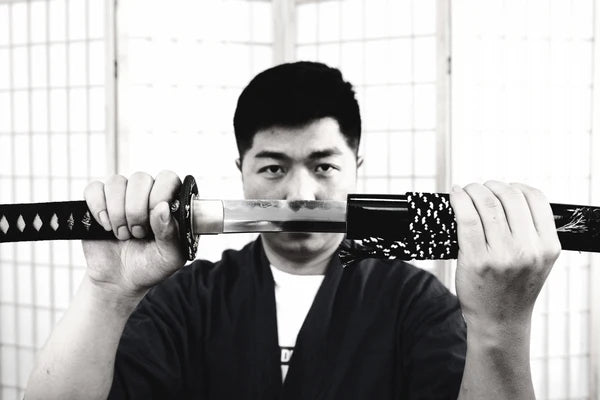
If you’re looking for a fully customized katana, you’re in the right place. We bring your dream sword to life with complete personalization across steel types, blade styles and overall dimensions.You can hand-pick every detail from our full range of authentic fittings: tsuba, fuchi, kashira, habaki, blade, saya, tsukamaki, sageo, seppa and menuki — all matched to your exact preferences. For new collectors or practice use, we also offer blunt blade options for safe use.We work with a wide selection of premium steels, including carbon steel, 1060 steel, T10 steel, damascus steel and tamahagane. If you need help making your choice, reach out to us via phone, email or live chat, and we’ll provide a detailed crafting guide to help you build your ideal katana.
2500 Years of Longquan Swordmaking Heritage
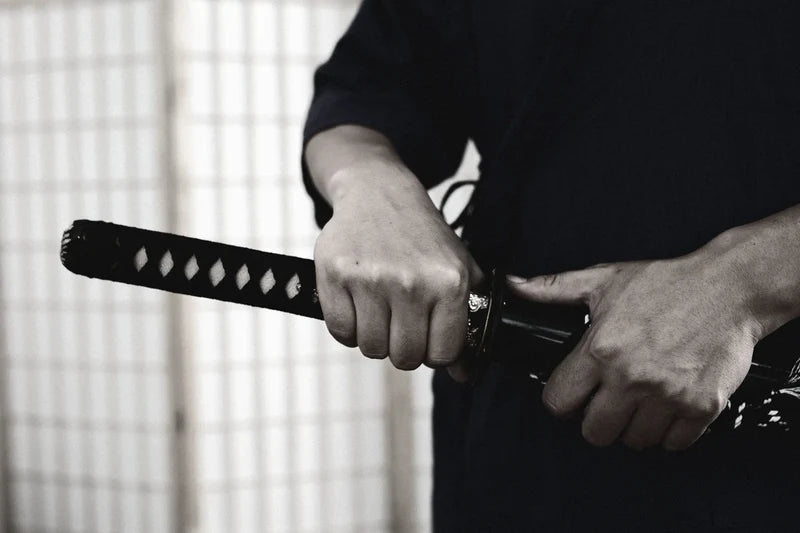
Xingyu Sword is based in Longquan, China – the world-famous swordmaking city with 2500 years of history. Our master artisans hand-forge every Japanese samurai sword using traditional techniques: clay tempering, full tang construction, and hand polishing. We specialize in handmade katana, tachi, wakizashi, tanto, and fully custom swords for collectors, martial artists, and enthusiasts worldwide.
Everything about katana.
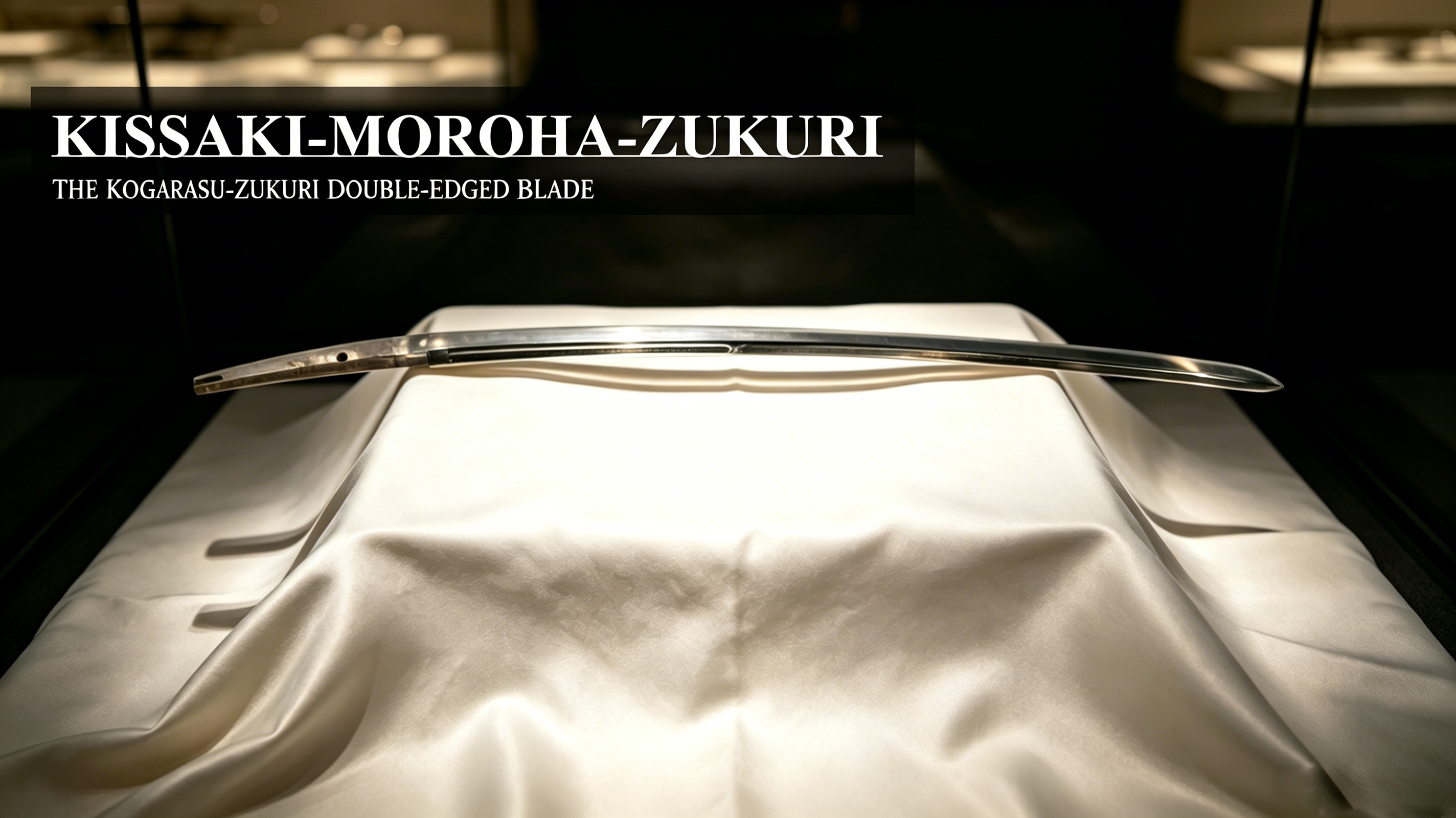
Kissaki-Moroha-Zukuri: The Double-Edged Katana Blade Style for Collectors
The kissaki-moroha-zukuri blade style is one of the rarest and most fascinating forms in the Japanese sword tradition. Known also as kogarasu-zukuri, this double-edged design represents a critical ...
Read more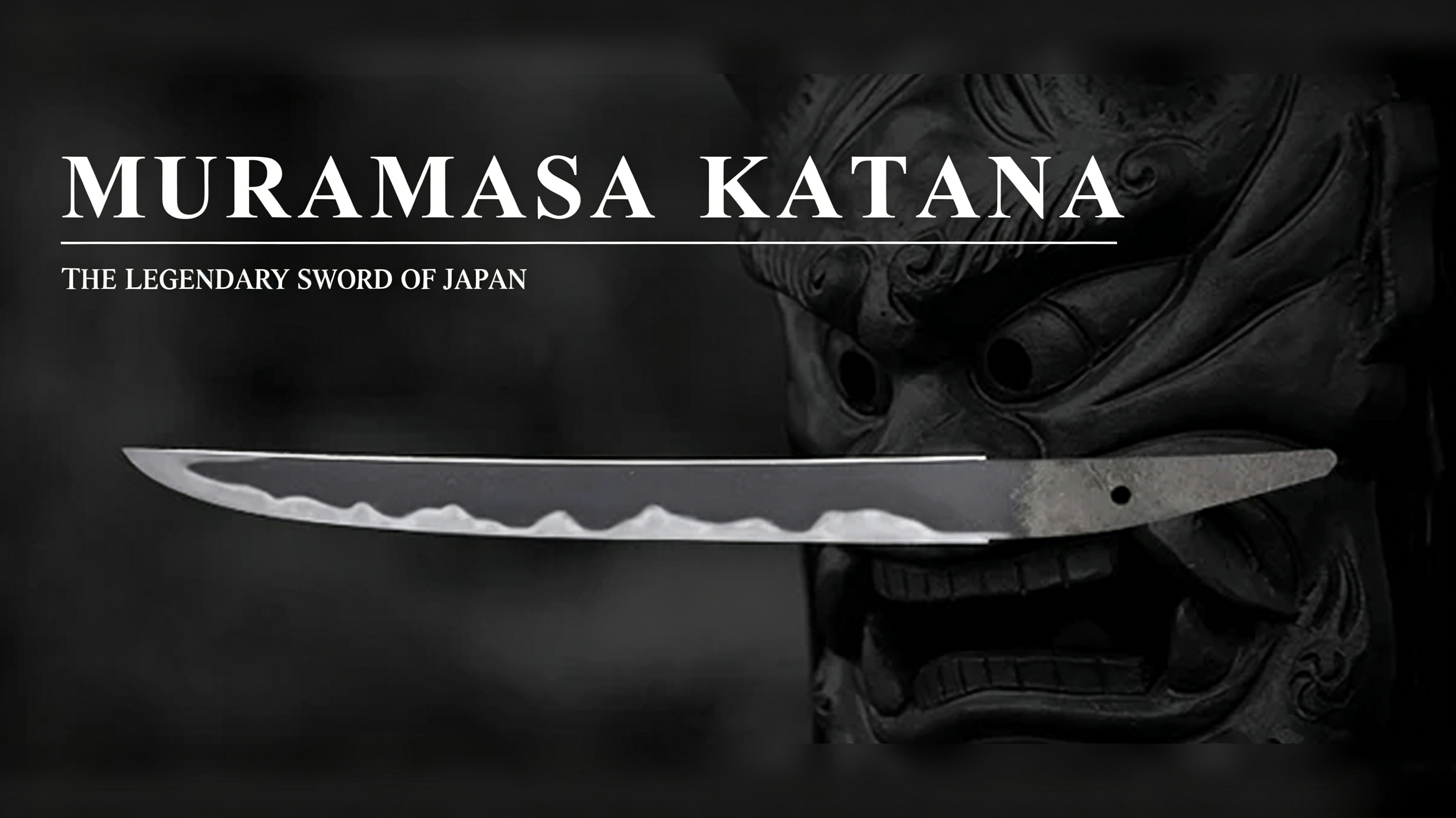
Muramasa Katana: The Legendary Demon Sword of Japan — History, Craft & Anime Legacy
The Muramasa katana is one of Japan's most legendary and misunderstood swords. Often called the "demon sword," its story blends real history — from the Sengo Muramasa school in Ise Province to famo...
Read more
Who Is a Ronin? History, Culture and Symbolism of Masterless Samurai
The ronin stand among the most famous figures from feudal Japanese history. These masterless samurai lost their lord and official social standing, forced to wander across Japan. This article explor...
Read more