
Muramasa Katana: The Legendary Demon Sword of Japan — History, Craft & Anime Legacy
The Muramasa katana occupies a unique place in Japanese sword lore. For centuries, these blades have been surrounded by tales of curses, vengeance, and supernatural power. Yet beneath the legends lies a remarkable tradition of swordsmithing that produced some of Japan's most distinctive and technically accomplished blades. This guide explores the history, craftsmanship, famous works, and cultural legacy of Muramasa katana, with a focus on what makes them essential to any serious collection of Japanese swords. To explore the full range of katana-related topics, visit our Everything About Katana collection.
The Muramasa Swordsmith Tradition
The Muramasa school was founded by Sengo Muramasa, a swordsmith active in the late Muromachi period (14th–15th centuries) in the Ise Province region. Unlike many swordsmithing schools that traced their lineage to famous masters of the Kamakura period, the Muramasa school developed its own distinctive style characterized by bold, energetic hamon and robust blade construction.
Sengo Muramasa's works were immediately recognizable for their distinctive gunome-midare hamon — a wavy, irregular temper line that set them apart from the more restrained suguha (straight) hamon of schools like the Soshu Masamune tradition. The school continued through several generations, with later smiths maintaining and evolving the distinctive Muramasa aesthetic.
Craftsmanship and Blade Characteristics
What sets Muramasa blades apart from other Japanese swords? The answer lies in both their technical construction and their visual signature.
Distinctive Hamon
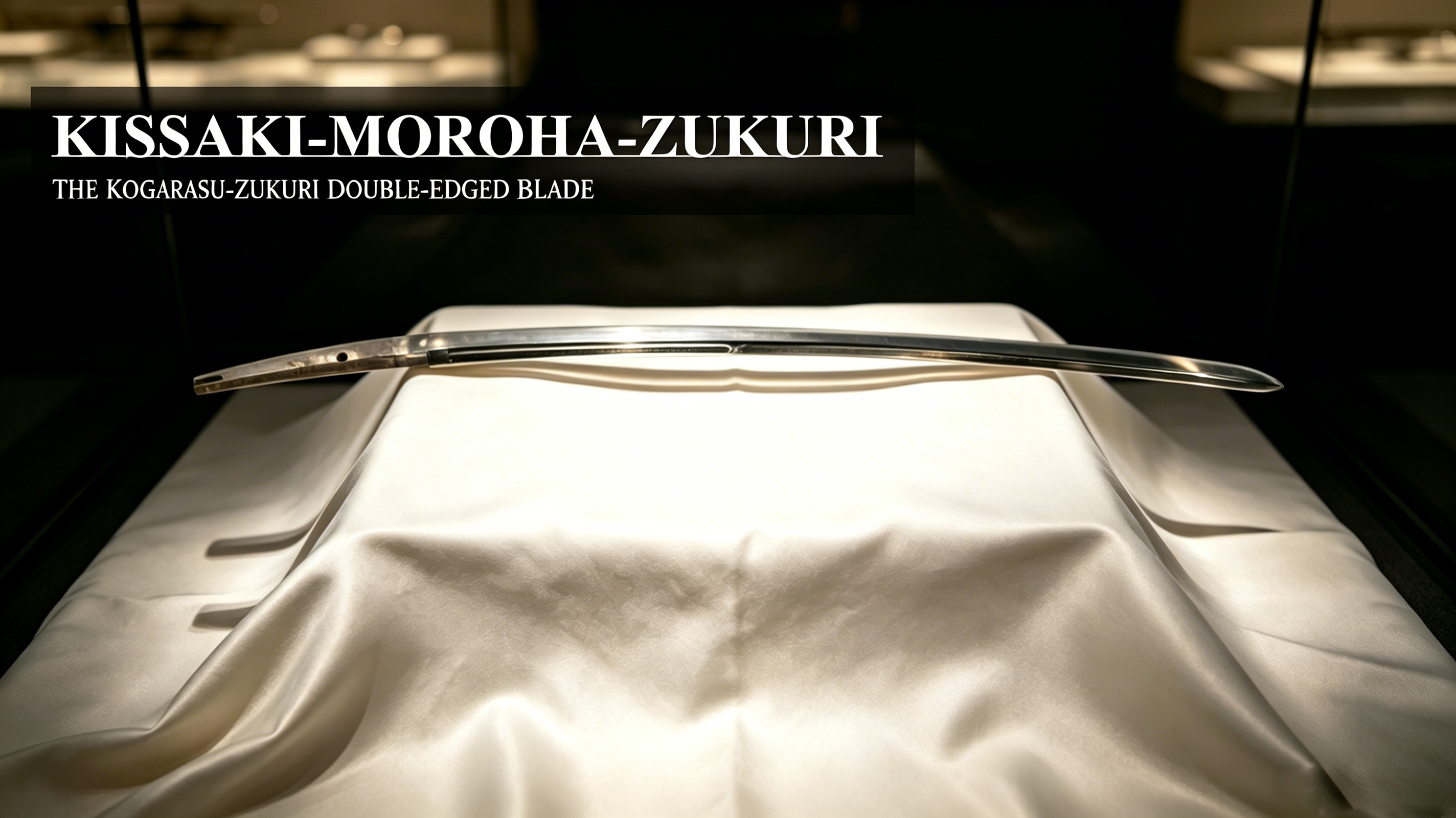
The most recognizable feature of Muramasa katana is the gunome-midare hamon. This temper line features a series of connected, wave-like shapes that create a dynamic, energetic pattern along the blade edge. Unlike the regular, repetitive gunome of some schools, Muramasa's midare (irregular) variation creates a sense of movement and power that many collectors find captivating. For comparison with a rarer blade form, explore our guide to the Double-Edge Katana — The Rare Two-Edged Japanese Sword.

Jihada and Steel Texture
Muramasa blades typically feature a fine, well-forged jihada (folded steel grain pattern) that contributes to both the structural integrity and the visual beauty of the blade. The combination of the bold hamon and the subtle jihada creates a layered visual effect that rewards close inspection. Collectors often note that the interplay between the bright nioi-deki of the hamon and the darker ji-gane of the blade body is particularly striking in well-preserved Muramasa examples.
Robust Construction
Muramasa blades are generally known for their sturdy, robust construction. The kasane (blade thickness) tends to be substantial, and the overall balance of the blade suggests a tool designed for durability as well as beauty. This robust construction may have contributed to the legends surrounding Muramasa blades' cutting performance, though it is important to appreciate these blades primarily as works of craft and cultural heritage rather than functional weapons.
Famous Muramasa Works
Several Muramasa blades have achieved particular fame in Japanese sword history, and studying these famous examples offers insight into the range and quality of the Muramasa school's output.
Myoho Muramasa
Perhaps the most famous Muramasa blade is the Myoho Muramasa, named for the "Myoho" (妙法) inscription carved on its nakago (tang). This blade is designated as an Important Cultural Property and is housed in the Tokugawa Art Museum in Nagoya. The Myoho Muramasa represents the pinnacle of the Muramasa school's craftsmanship, with a particularly fine example of the school's signature gunome-midare hamon. The blade's elegant shape, refined jihada, and powerful hamon combine to create a work that is both technically impressive and aesthetically compelling.

Other Notable Blades
Beyond the Myoho Muramasa, several other Muramasa blades are held in museum and private collections. Each offers a slightly different interpretation of the Muramasa style, with variations in hamon pattern, blade shape, and nakago inscription. Collectors seeking Muramasa blades should look for examples that display the school's characteristic features while offering something unique in their execution. The study of these variations is one of the most rewarding aspects of Muramasa appreciation, as it reveals the creativity and individuality of the smiths who worked within the tradition.
The "Cursed Sword" Legend
No discussion of Muramasa katana would be complete without addressing the famous "cursed sword" legend. This legend, which emerged during the Edo period, claims that Muramasa blades bring misfortune and death to their owners, particularly members of the Tokugawa clan.
Origins of the Legend
The legend likely originated from a series of historical coincidences involving the Tokugawa family. Several Tokugawa clan members met violent ends during the Sengoku and early Edo periods, and in some cases, Muramasa blades were present at the scene or associated with the events. These coincidences, combined with the distinctive and somewhat intimidating appearance of Muramasa blades — with their bold, energetic hamon and robust construction — gave rise to the idea that the blades were somehow cursed or malevolent. The story was further embellished during the Edo period, when sword lore and anecdote became a popular form of entertainment among the samurai class.
Historical Context
It is important to note that the "cursed sword" legend is a product of Edo period folklore, not historical fact. During the Edo period, sword appreciation became a popular pastime among the samurai class, and stories and legends surrounding famous blades added to their allure and collectibility. The Muramasa curse story is one of the most enduring examples of this phenomenon, and it reflects the cultural fascination with the mysterious and supernatural that characterized much of Edo period popular culture.
For collectors, the legend adds to the cultural significance of Muramasa blades without detracting from their technical and artistic merit. A Muramasa blade is first and foremost a masterpiece of Japanese swordsmithing, and the legends surrounding it are part of its rich cultural history. Understanding the legend in its historical context allows collectors to appreciate both the blade itself and the cultural narrative that has grown around it.
Muramasa in Anime and Popular Culture
The legend of Muramasa has transcended traditional sword appreciation to become a staple of Japanese popular culture, particularly in anime, manga, and video games. These modern depictions have introduced the Muramasa name to a global audience and created new layers of cultural significance for these historic blades.
Fate Series
One of the most prominent modern depictions of Muramasa is in the Fate series, where Senji Muramasa appears as a Servant. This character, based on the legendary swordsmith, combines elements of the historical Muramasa with the visual flair of anime design. The character's red hair, white haori with red patterns, and powerful sword techniques have made him a fan favorite, introducing the Muramasa name to a new generation of enthusiasts. The character's association with forging and craftsmanship also reflects the historical Muramasa's identity as a swordsmith, adding a layer of thematic depth to the fictional portrayal.

Other Appearances
Beyond the Fate series, Muramasa blades and the Muramasa legend have appeared in numerous other anime, manga, and video game titles. These depictions often draw on the "cursed sword" legend, portraying Muramasa blades as powerful but dangerous weapons with a will of their own. While these fictional depictions take creative liberties with historical accuracy, they serve to keep the Muramasa name alive in popular culture and introduce new audiences to the world of Japanese swords. For many younger collectors, their first encounter with the Muramasa name comes through these media, which can serve as a gateway to deeper interest in the historical and craft aspects of Japanese swords.
For collectors who are also anime fans, the intersection of historical Muramasa blades and their fictional counterparts offers a unique dimension to the collecting experience. Owning a piece inspired by or related to Muramasa connects the collector to both the historical tradition of Japanese swordsmithing and the modern cultural phenomenon that has kept the Muramasa legend relevant in the 21st century. This dual appeal makes Muramasa-related pieces particularly sought after by collectors who bridge the worlds of traditional sword appreciation and anime fandom.
Collecting Muramasa Katana
For collectors interested in acquiring Muramasa katana or related pieces, several factors should be considered to ensure a rewarding and informed collecting experience.
Authenticity and Attribution
Authentic Muramasa blades are rare and valuable, and the market includes both genuine examples and later works in the Muramasa style. When considering a purchase, it is essential to work with reputable dealers and seek expert appraisal from qualified sword specialists. The attribution of a blade to the Muramasa school should be based on technical characteristics — hamon pattern, jihada, blade shape, and nakago features — rather than solely on inscription or reputation. A thorough understanding of the school's characteristic features is the collector's best defense against misattribution.
Condition and Preservation
The condition of a Muramasa blade is critical to its value and collectibility. Look for blades that have been well-preserved, with minimal rust or damage to the blade surface. The polish of the blade is particularly important, as a good polish reveals the hamon and jihada that are the hallmarks of the Muramasa style. A blade that has been improperly polished or over-restored may lose some of its original character, so it is worth seeking examples that have been maintained by professional sword polishers using traditional techniques.
Display and Appreciation
Many collectors choose to display their Muramasa blades in traditional Japanese sword stands (kake) or in museum-style display cases. Proper display not only protects the blade from environmental damage but also allows for appreciation of its artistic and technical qualities. For those interested in the cultural context of Muramasa blades, displaying them alongside related items — such as tsuba, menuki, or other sword fittings from the same period — can create a more complete and educational presentation. The display environment should be stable, with controlled humidity and temperature, to ensure the long-term preservation of the blade.
Conclusion
The Muramasa katana is much more than the "cursed sword" of popular legend. It represents a distinctive and accomplished tradition of Japanese swordsmithing that produced blades of remarkable technical skill and visual power. From the bold gunome-midare hamon to the fine jihada and robust construction, Muramasa blades offer collectors a unique window into the art and craft of the Japanese sword. The school's place in history, its association with one of Japan's most enduring sword legends, and its prominent role in modern anime and popular culture all contribute to the enduring fascination with these remarkable blades.
Whether you are drawn to Muramasa for its historical significance, its technical accomplishments, its role in anime and popular culture, or simply the beauty of its distinctive blades, there is no denying the enduring appeal of this legendary sword school. As with any area of Japanese sword collecting, the key is to approach the subject with curiosity, respect for the craft, and a willingness to learn from both the historical record and the blades themselves. We invite you to continue exploring the world of Japanese swords through our Everything About Katana collection.
For further study of Muramasa blades and Japanese sword history, visit the Tokugawa Art Museum Collection, home to the famous Myoho Muramasa.


Leave a comment
This site is protected by hCaptcha and the hCaptcha Privacy Policy and Terms of Service apply.