
Tachi‑Fukushima‑Masanori – Damascus‑Steel Sengoku Fukushima‑Masanori Historical Tachi Sword

Handcrafted by experienced swordsmen

Free American Express

Perfect after-sales service

SSL End-to-end encryption secure payment
Tachi‑Fukushima‑Masanori – Damascus‑Steel Sengoku Fukushima‑Masanori Historical Tachi Sword
Product Introduction
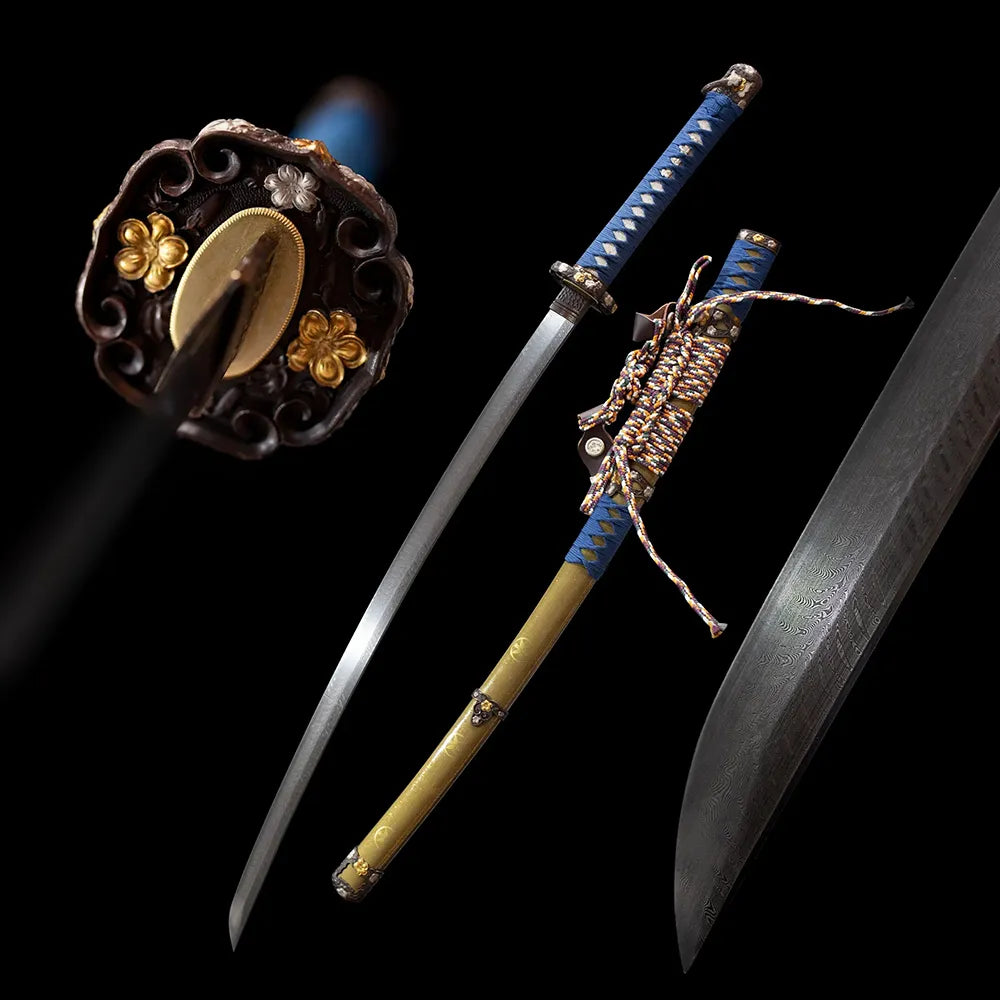
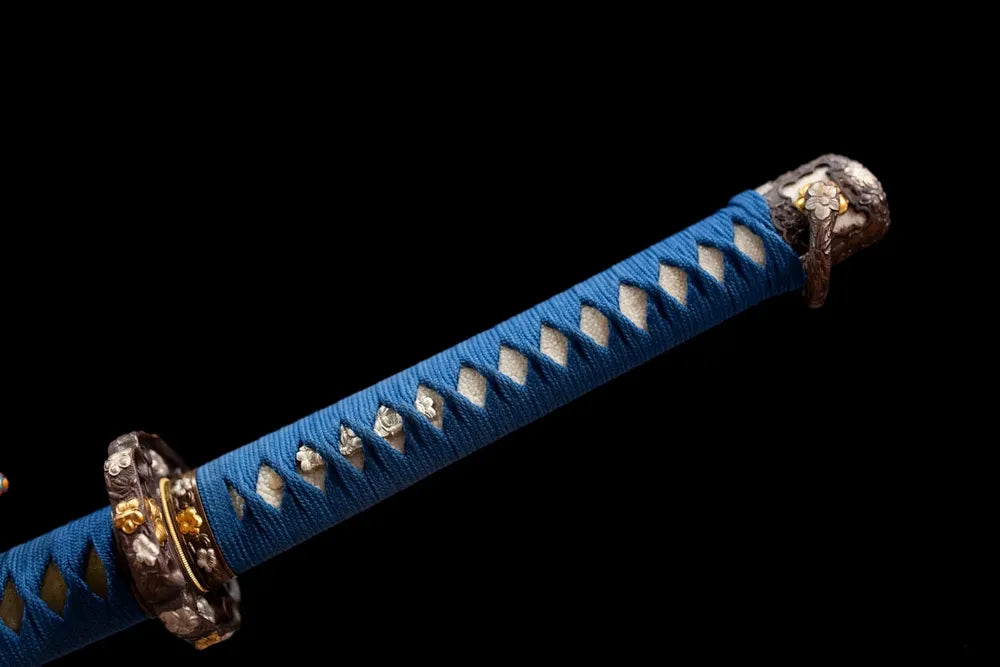
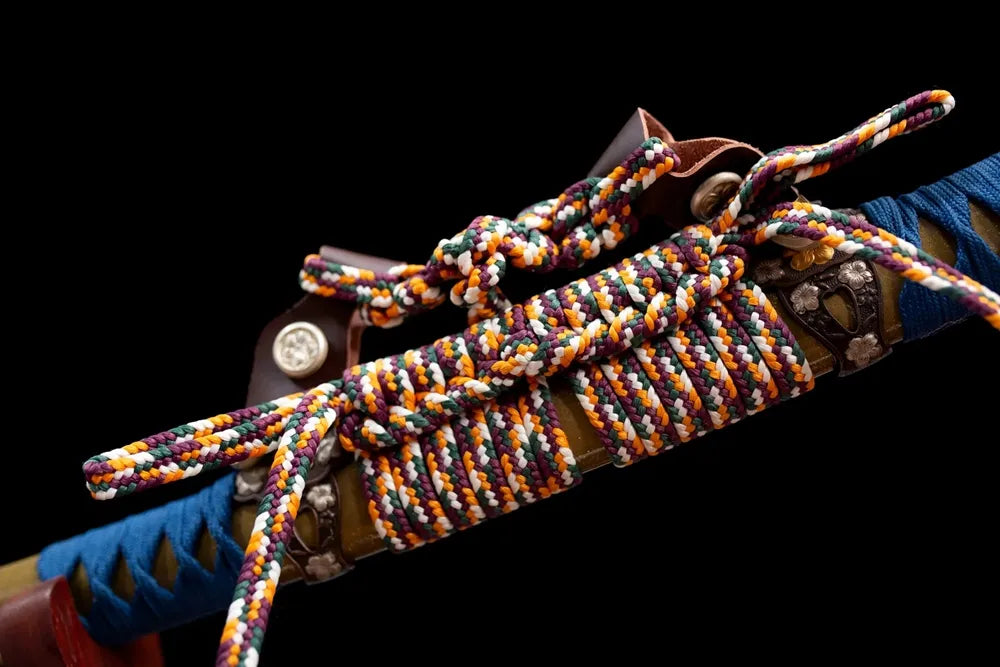
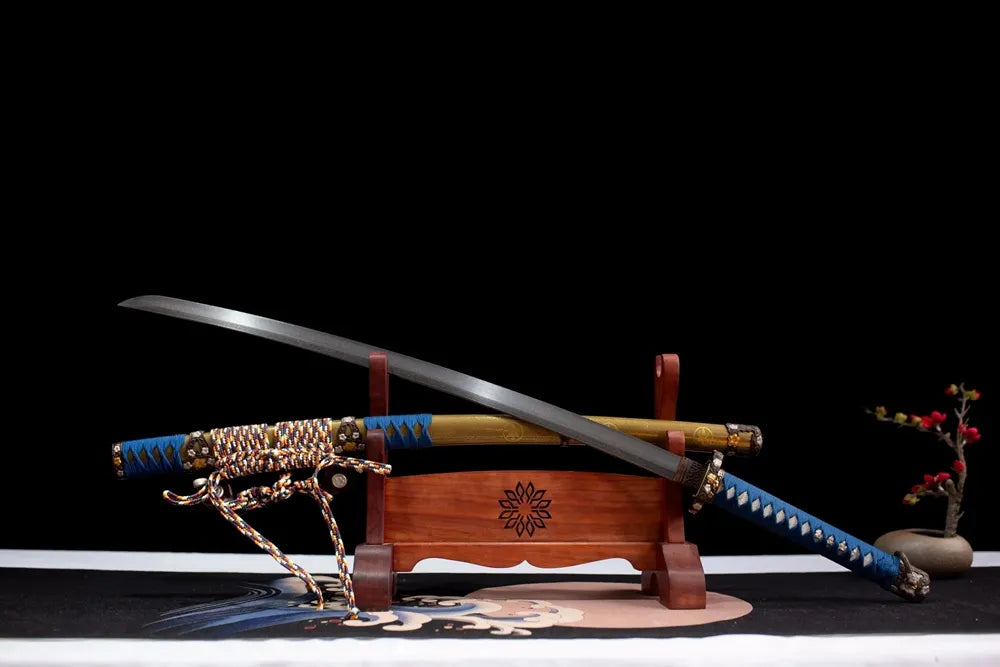
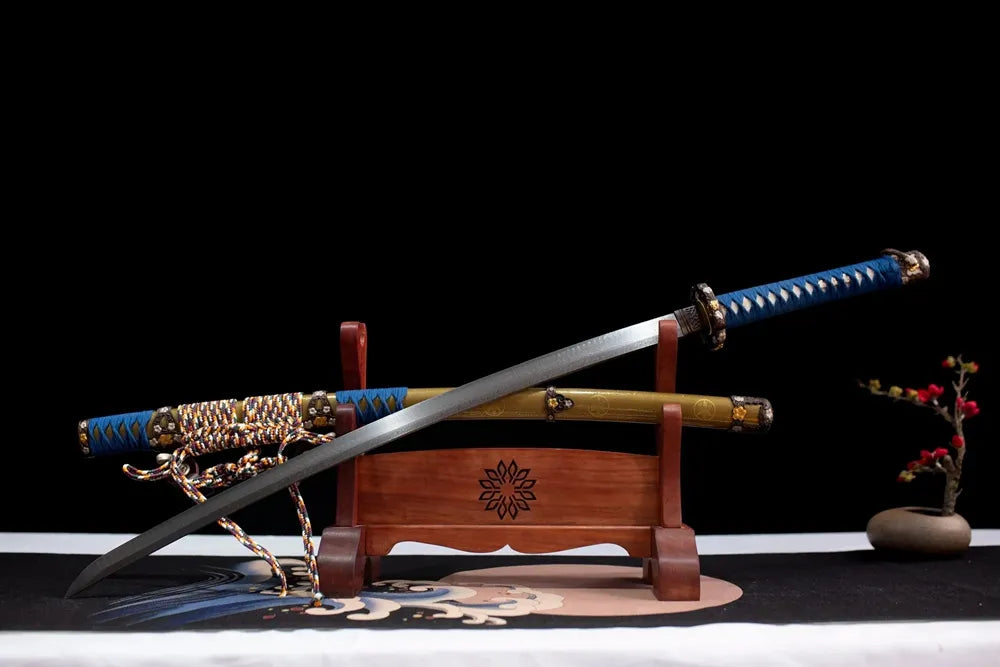
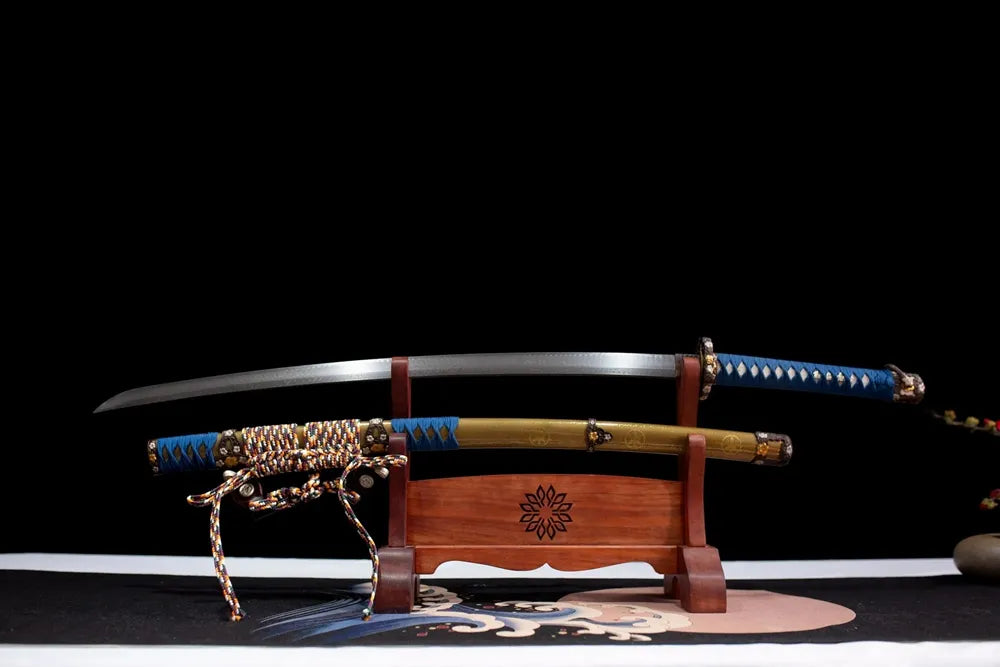
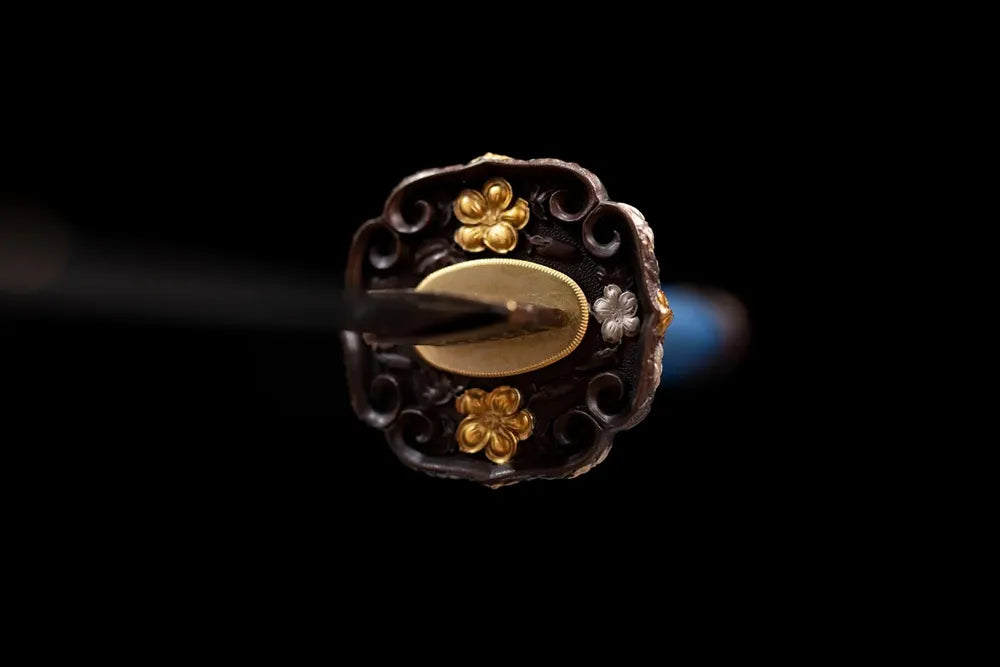
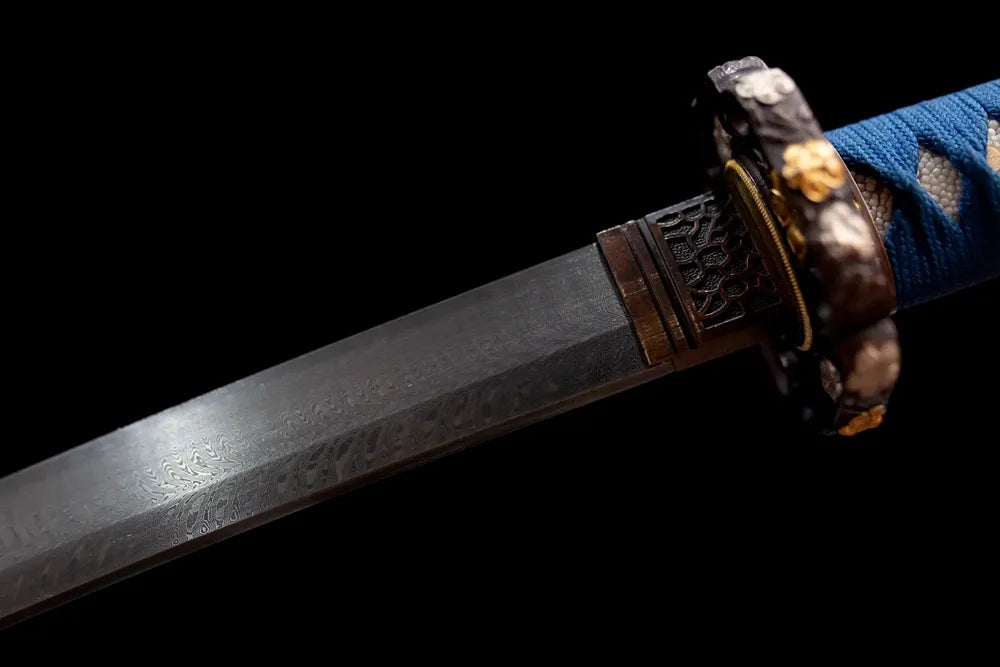
The Tachi‑Fukushima‑Masanori is Sengoku‑period daimyo Fukushima‑Masanori historical‑reproduction themed tachi, fully differentiated from imperial‑crest entry‑tachi, myth‑dragon tachi, spring‑landscape‑art tachi, raptor‑eagle motif tachi, oriental‑warrior wakizashi, beginner golden‑dragon wakizashi, WWII military sabers and anime‑character replica swords. This sengoku‑warlord‑history‑oriented collectible adopts premium multi‑layer damascus folded steel with traditional oil‑quenching heat‑treatment showing distinct layered folded‑metal grain texture. It is equipped with elaborate open‑work floral‑family‑mon copper mounting hardware with gold‑silver mixed electroplated finish, deep‑blue moro‑hineri cotton ito tsuka with genuine stingray samekawa inner lining, and solid hardwood finished in vintage‑brown lacquer decorated with gilded Fukushima‑Masanori family‑mon print, paired with traditional thick multicolor mixed‑woven tachi‑no‑sageo binding cord. Target audiences include Sengoku‑daimyo history collectors, Fukushima‑Masanori feudal‑warlord enthusiasts, sengoku‑heritage interior‑decor and distinctive japanese feudal‑history‑theme decorative‑gift buyers.
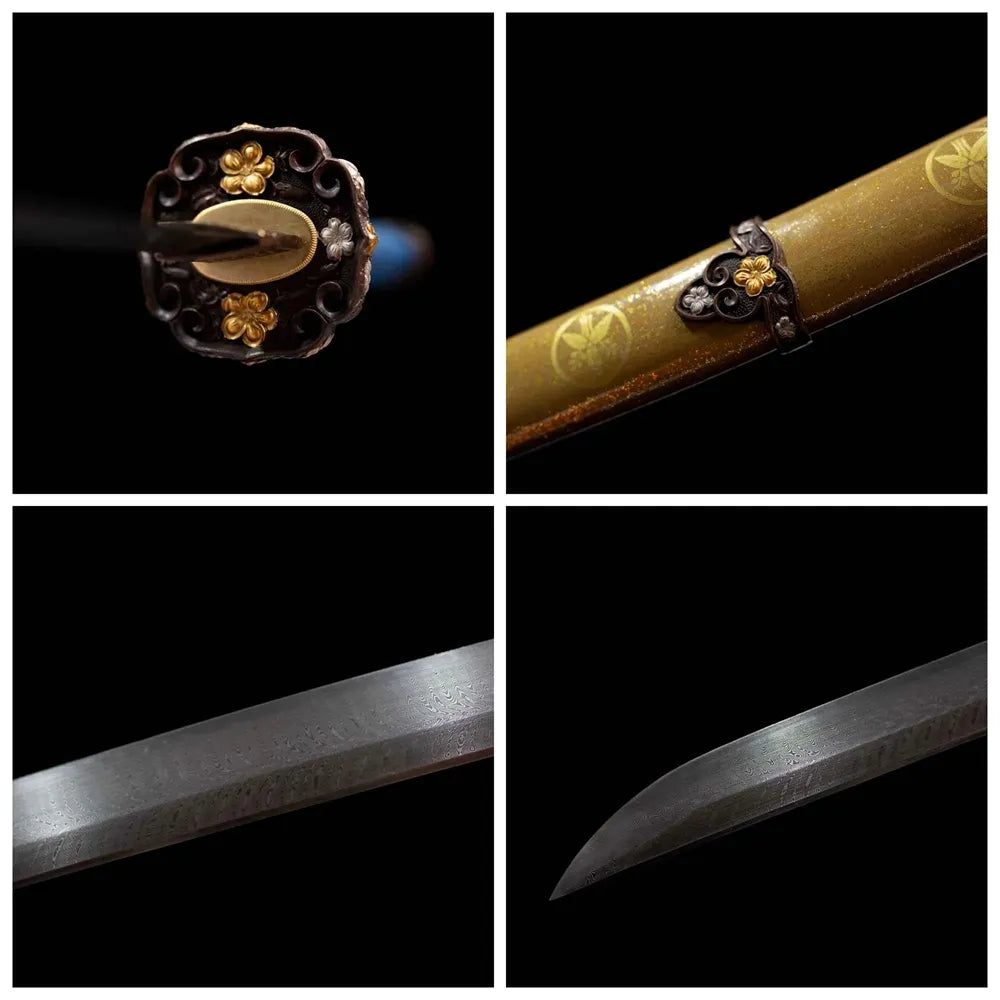
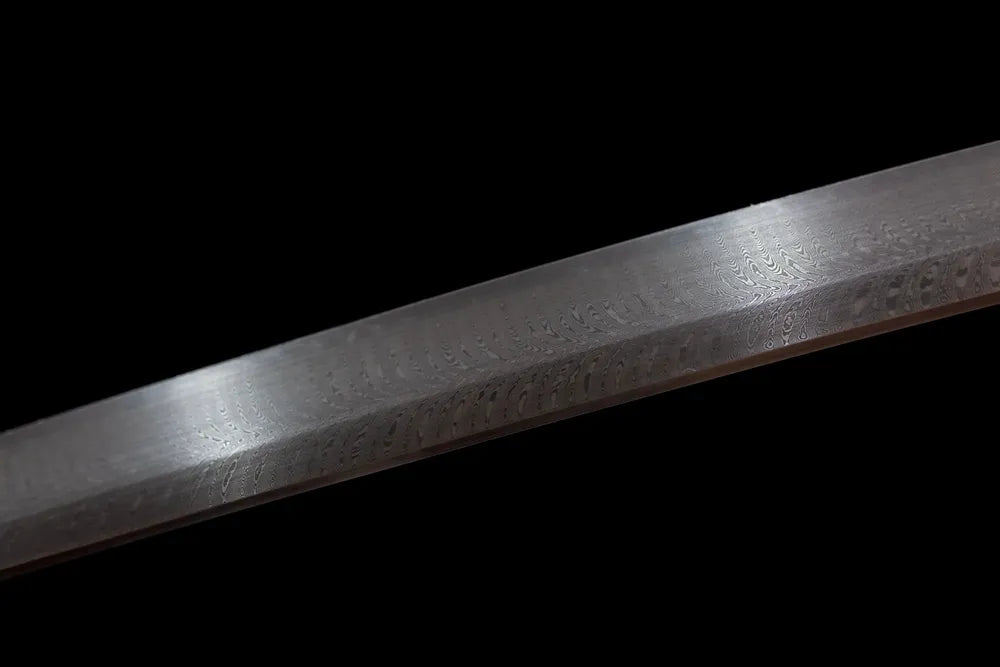
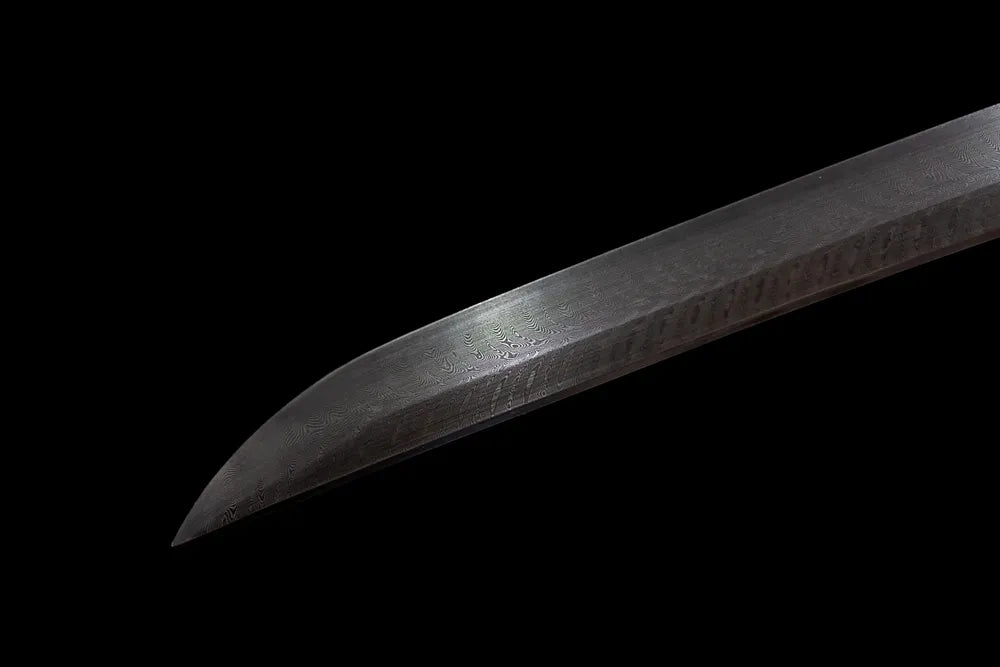
The blade adopts premium multi‑layer damascus folded steel with traditional oil‑quenching heat‑treatment craft, presenting unique visible layered folded‑steel grain texture. Authentic long‑curved tachi‑style shinogi‑zukuri blade geometry without blood‑groove hi, no carved or printed yokote dividing‑line, extended functional historical tachi‑style kissaki tip and factory light‑sharp finish. Damascus grain and vintage‑brown gilded‑mon lacquer saya scratch easily; only static sengoku‑history‑theme display and photo‑shooting are allowed. Heavy chopping and violent impact must be strictly prohibited to preserve feudal‑warlord‑historical collectible surface condition.
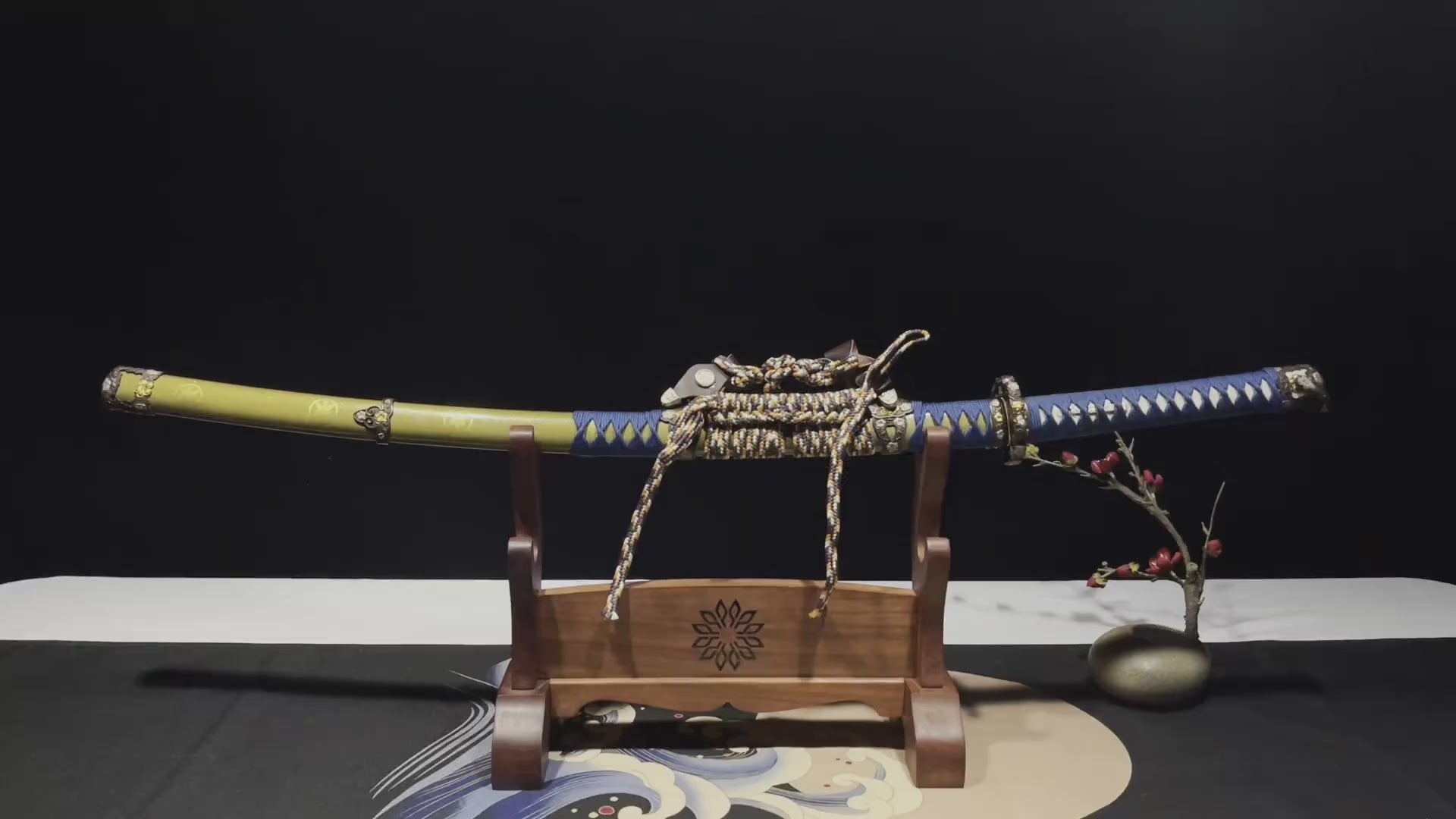
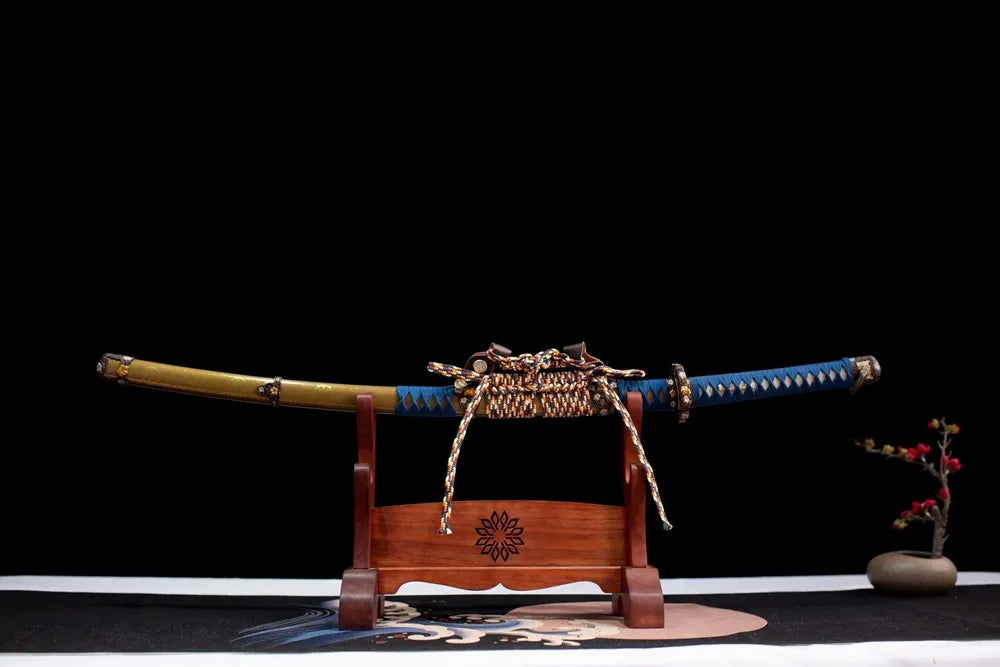
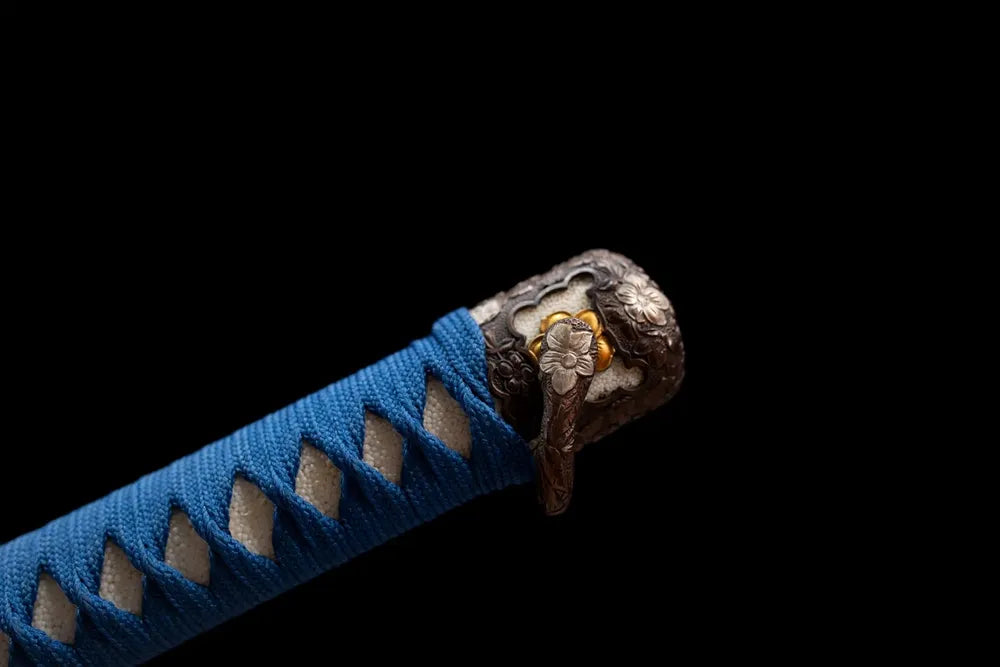
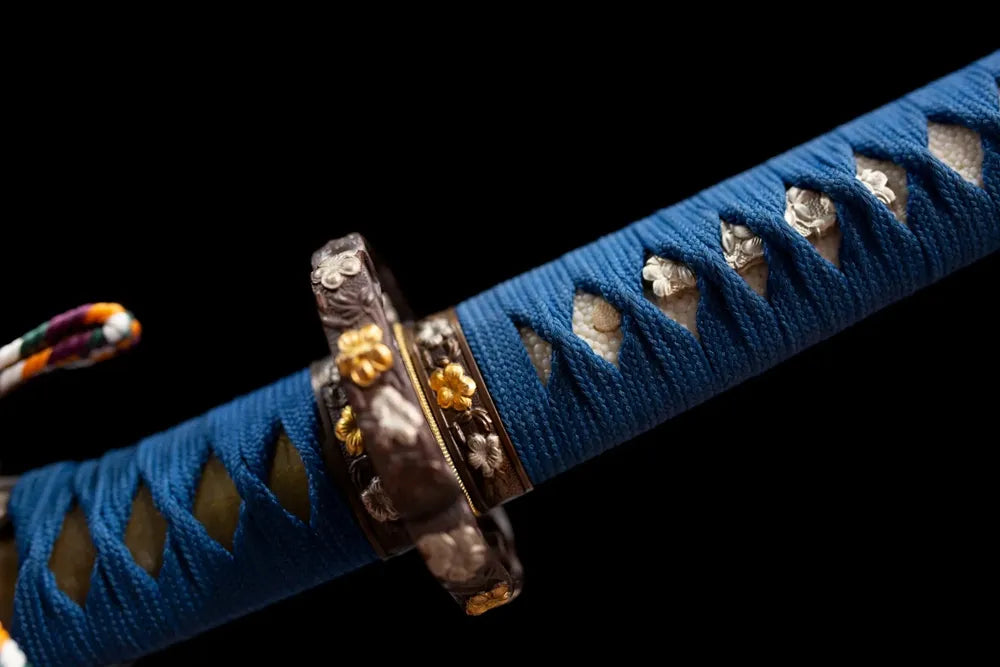
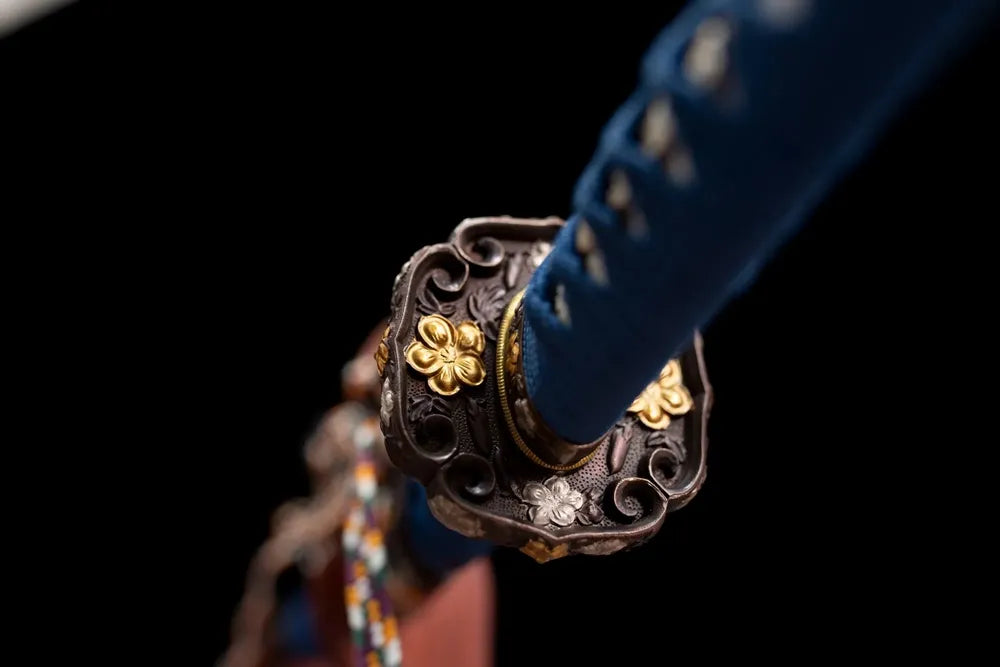
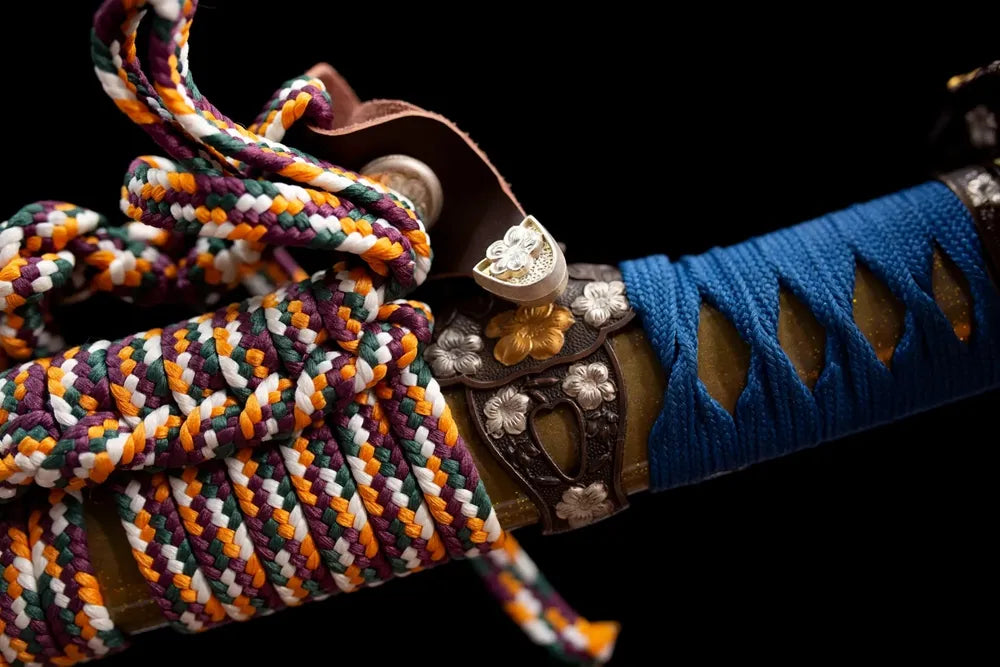
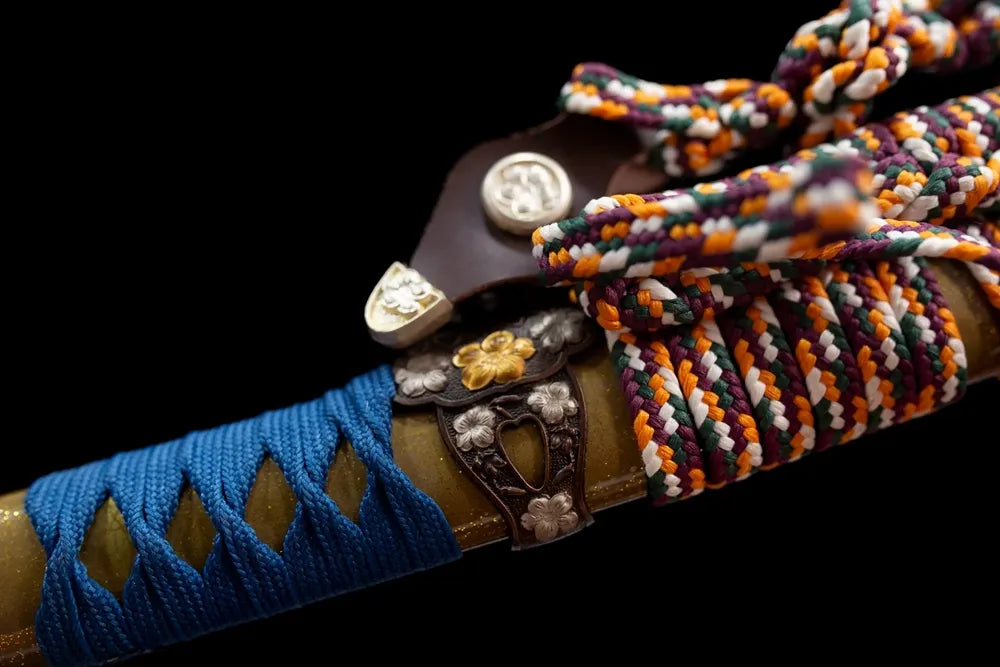
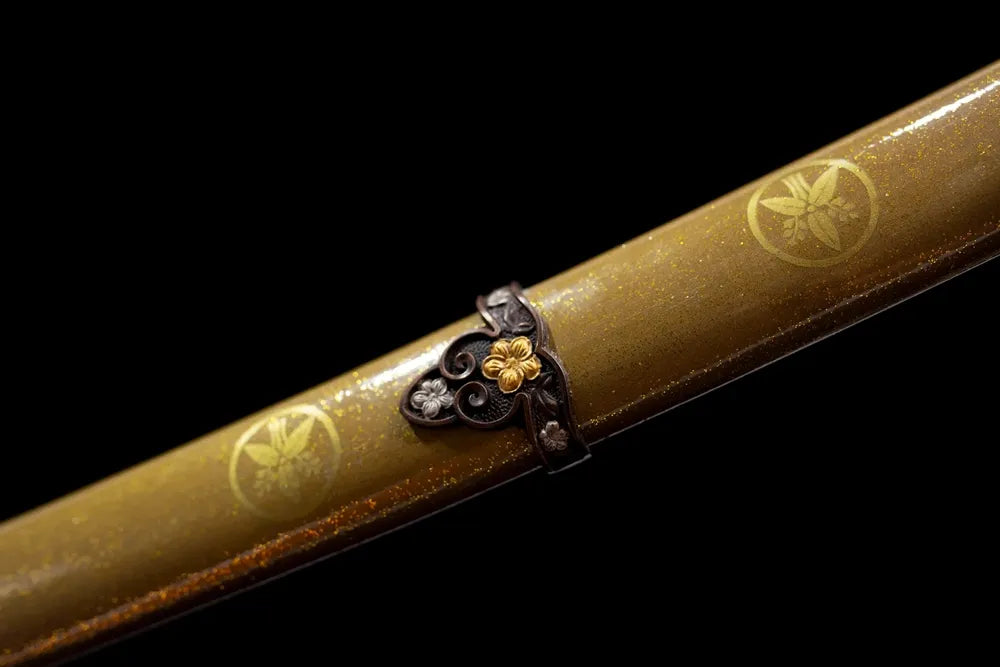
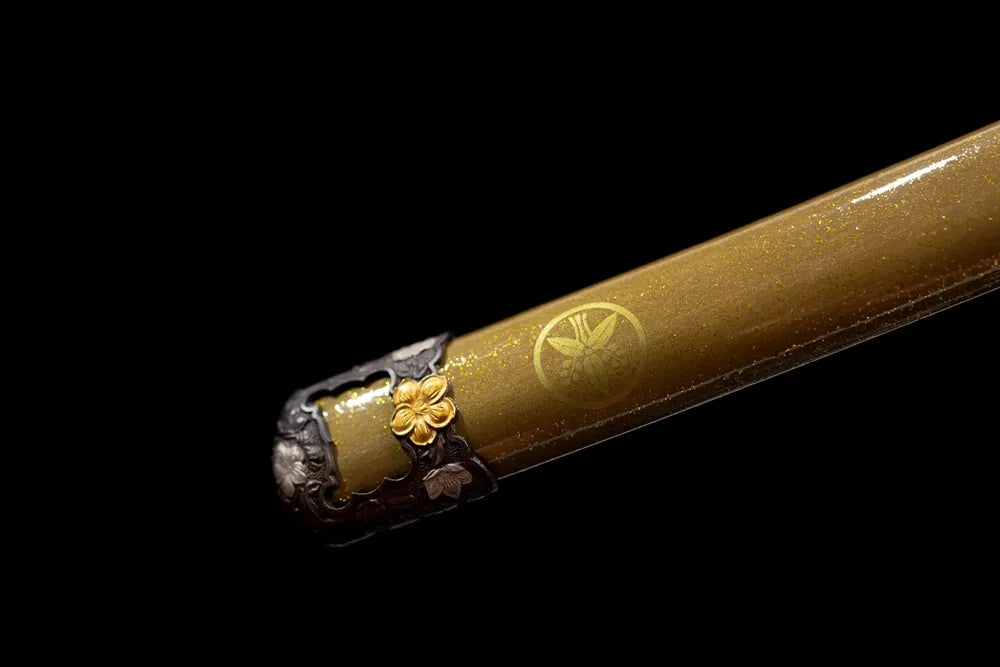
Complete mounting‑hardware set uses elaborate open‑work floral‑family‑mon copper fittings with gold‑silver‑plated mixed finish, round family‑mon carved tachi tsuba, matching‑motif fuchi & kashira, small floral‑mon shape copper‑alloy menuki ornaments and solid‑copper habaki plus copper‑alloy seppa washers. Long‑form tachi‑style tsuka grip uses genuine natural stingray samekawa inner lining wrapped with thick deep‑blue moro‑hineri cotton ito. Scabbard follows authentic tachi construction: solid hardwood finished in vintage‑brown lacquer printed with gilded Fukushima‑Masanori family‑mon emblem, fitted with gold‑silver‑plated copper koiguchi, kurikata and kojiri hardware; matched traditional thick multicolor mixed‑woven tachi‑no‑sageo cord with gold‑silver‑plated copper clasp. Two natural bamboo mekugi pegs build fully‑removable full‑tang construction for blade inspection and regular anti‑rust maintenance. Sengoku‑warlord‑history‑theme fabric storage bag, wooden tachi‑display stand and sword‑maintenance‑kit are included as full free‑gift set; custom Fukushima‑Masanori‑family‑mon blade‑engraving upgrade available for extra charge.
Core Selling Advantages
- Historical‑reproduction tachi themed after Sengoku‑period daimyo Fukushima‑Masanori, open‑work gold‑silver‑plated copper family‑mon hand‑guard for sengoku‑feudal‑lord history‑oriented collecting
- Multi‑layer damascus folded‑steel blade with traditional oil‑quenching heat‑treatment, showcases unique varied layered metal grain visual texture, authentic long‑curved historical tachi blade geometry
- Full‑set gold‑silver‑mixed‑plated copper family‑mon hardware faithfully reproduces Sengoku‑period feudal‑lord noble‑warrior mounting aesthetic
- Vintage‑brown lacquer hardwood tachi saya printed with gilded Fukushima‑Masanori family‑mon emblem, restores aged sengoku‑era noble‑tachi visual atmosphere
- Genuine natural stingray‑skin samekawa inner lining for long tachi‑style tsuka, wrapped by durable deep‑blue moro‑hineri cotton ito
- Dual bamboo‑peg fully‑detachable full‑tang build, supports full disassembly for blade inspection, cleaning and anti‑rust maintenance
- Authentic large‑size tachi dimension, well‑suited for sengoku‑daimyo‑history collection, feudal‑japan‑heritage interior‑display and sengoku‑warlord‑motif gift scenarios
Complete Original Product Specifications (All dimensions & materials fully retained without omission)
| Parameter Item | Parameter Value |
|---|---|
| Zencho Entire Total Length | 104.0cm / 40.94inch |
| Hacho Effective Blade Length | 73.5cm / 28.93inch |
| Tsuka Handle Length | 27.0cm / 10.62inch |
| Sori Blade Curvature | 2.20cm / 0.86inch |
| Sakikasane Tip Thickness | 0.40cm / 0.15inch |
| Motokasane Root Thickness | 0.70cm / 0.27inch |
| Sahihaba Tip Width | 2.10cm / 0.82inch |
| Motohaba Root Width | 3.10cm / 1.22inch |
| Kissaki Nagasa Tip Length | 4.0cm |
| Boshi Tip Shape | Extended Functional Historical Tachi‑Style Kissaki |
| Mizuheshi Heat Treatment | Traditional Oil‑Quenching Heat‑Treatment |
| Hamon Temper Pattern | Visible Multi‑Layer Damascus Folded Grain Texture, No Clay‑Tempered Hamon |
| Hi Blood Groove | No Hi (No Groove) |
| Blade Raw Material | Multi‑Layer Damascus Folded Steel |
| Blade Forge Structure | Maru‑gitae Mono‑Solid Multi‑Layer Folded Forging |
| Blade Polishing Craft | Fine‑Grade Grinding Polishing For Damascus Grain Presentation |
| Blade Profile | Authentic Long‑Curved Tachi‑Style Shinogi‑zukuri Geometry |
| Yokote Reinforcement Line | No Embossed Or Printed Yokote Separation Line |
| Tang Disassembly | Fully Removable Full Tang |
| Mekugiana Peg Holes | Two Bamboo Peg Holes |
| Mekugi Fix Pegs | Natural Solid Bamboo Pegs |
| Fuchi & Kashira Material | Open‑Work Floral‑Family‑Mon Copper‑Alloy Fittings With Gold‑Silver‑Plated Mixed Finish |
| Tsuka Wrap Craft | Moro‑hineri Durable Deep‑Blue Cotton Ito Maki |
| Tsuka Inner Lining | Genuine Natural Stingray Samekawa Skin |
| Side Menuki Ornaments | Small Floral‑Mon‑Shape Copper‑Alloy Mini Ornaments |
| Blade Seppa Washers | Solid Copper‑Alloy Sheets |
| Tsuba Hand Guard | Open‑Work Floral‑Family‑Mon Copper‑Alloy Historical Tachi Tsuba With Gold‑Silver‑Plated Mixed Finish |
| Habaki Blade Collar | Solid Raw‑Copper Finished Collar |
| Saya Scabbard Base | Solid Hardwood Vintage‑Brown Lacquer Finish, Gilded Fukushima‑Masanori Family‑Mon Emblem Print, Authentic Tachi‑Saya Construction |
| Sageo Binding Cord | Traditional Thick Multicolor Mixed‑Woven Tachi‑No‑Sageo Cotton Rope With Gold‑Silver‑Plated Copper‑Alloy Clasp |
| Shitodome Fitting | Gold‑Silver‑Plated Copper‑Alloy Metal End‑Cap |
| Free Gift Accessory | Sengoku‑Warlord‑Theme Fabric Storage Carry Bag + Wooden Tachi‑Display Stand + Sword‑Maintenance‑Tool Kit |
| Total Full Set Weight | 1355g / 2.99pounds |
| Desheath Blade+Handle Weight | 1098g / 2.42pounds |
| Blade Sharp Option | Fully Sharpened / Sengoku‑Historical‑Reproduction Safe Unsharpened Optional |
| Custom Blade Engraving | Fukushima‑Masanori‑Family‑Mon‑Mark Logo Extra Charge Custom Upgrade Available |
| Handmade Reminder | Damascus folded grain, gold‑silver‑plated family‑mon carving and vintage‑brown gilded‑mon lacquer print may show minor handmade craft deviation for reference only |
Tachi‑Fukushima‑Masanori Sengoku‑Daimyo‑Theme Tachi Parts Terminology Guide
KASHIRA: Floral‑family‑mon gold‑silver‑plated copper‑alloy tachi pommel cap
MENUKI: Small floral‑mon‑shape copper‑alloy side mini ornaments
TSUKAMAKI: Durable deep‑blue moro cotton tachi grip wrap
SAMEKAWA: Genuine natural stingray‑skin inner long‑tachi grip lining
FUCHI: Floral‑family‑mon gold‑silver‑plated copper‑alloy grip‑ring fitting
TSUBA: Open‑work floral‑family‑mon carved historical sengoku‑tachi hand‑guard with mixed gold‑silver plating finish
HABAKI: Solid raw‑copper blade collar for authentic tachi mounting
KOIGUCHI: Vintage‑brown lacquer tachi‑saya mouth with gold‑silver‑plated copper‑alloy band
SAGEO(Tachi‑No‑Sageo): Traditional thick multicolor mixed‑woven tachi‑scabbard sageo cord with gold‑silver‑plated copper‑alloy clasp
KURIKATA(Ashikanamono): Gold‑silver‑plated copper‑alloy cord‑ring tachi‑saya fitting
SAYA: Vintage‑brown lacquer solid‑hardwood historical‑reproduction tachi scabbard printed with Fukushima‑Masanori family‑mon emblem
KOJIRI: Gold‑silver‑plated copper‑alloy tachi‑saya bottom end‑cap
Blade dimension schematic stored in media library, visit Custom Blade Customization for Fukushima‑Masanori‑family‑mon‑mark logo engraving service.
Frequently Asked Questions
Q: What differentiates Tachi‑Fukushima‑Masanori from other reproduction tachi?
A: This tachi is themed after Sengoku‑period daimyo Fukushima‑Masanori, uses multi‑layer damascus oil‑quenched blade, mixed gold‑silver‑plated copper family‑mon fittings and vintage‑brown gilded‑mon saya; different from imperial‑crest entry‑grade tachi and art‑landscape themed tachi.
Q: What is special for this sengoku‑daimyo themed tachi?
A: Combined damascus folded grain blade and historical family‑mon hardware reproduces the weapon styling of Sengoku‑period feudal lord Fukushima‑Masanori, targeted for sengoku‑era feudal‑warrior history collectors.
Q: How to maintain vintage‑brown gilded‑mon saya and gold‑silver‑plated copper‑alloy fittings?
A: Keep dry storage environment, avoid long‑term sunlight exposure and sharp scratches, wipe with soft dry cloth regularly to protect lacquer and plated‑copper‑alloy against oxidation and tarnish.
Q: Can this sengoku‑historical‑reproduction tachi be used for heavy cutting practice?
A: Damascus folded grain and gilded‑mon printed lacquer surface are delicate; only static sengoku‑history‑theme display & photo‑shooting permitted, heavy chopping is strictly forbidden.
Q: Similar entry‑grade japanese imperial‑chrysanthemum‑mon themed collectible tachi reference?
A: View imperial‑heritage entry‑level historical‑style tachi sword: Imperial‑Family‑Tachi.
Browse historical‑reproduction, traditional & anime‑themed handmade swords in Katana Collection.
All orders support free US shipping and 30‑day hassle‑free return policy.
Tachi Parts names and terminology
Tachi Parts names and terminology

SHIZUJIJANAMONO The cap at the bottom of the scabbard is usually made of animal horn or metal
KASHIWABA Leaf-shaped projection on the metal decoration near shizujijanamono on the scabbard
SEMEKANAMONO Metal decoration on scabbard near shizujijanamono
ASHIKANAMONO Tachi scabbard has two metal rings (one near the scabbard mouth is called "one foot" and the other is called "two feet"), which are interwoven and woven with ropes to make it easy to carry
SAYA Sheath
MON Emblems
TACHIO Connect the straps between two taikogawa
TAIKOGAWA It is used to pass through tachio and tie it around the waist. Generally, in order to ensure the strength, some reinforcing fittings will be added
TAIKOGANE Metal buckle on taikogawa
ASHIGAWA Pass taichio through here to make it easy to wear at the waist. TAIKOGAWA, which decorates the sword, is usually folded into a rope with thin leather
KAWASAKIKANAMONO A small piece of metal connecting the ribbon with ashikanamono
TSUBA Hand guard between handle and blade
TASUKA handle

A.SAKIKASANE Thickness of blade tip.
B.MOTOKASANE Thickness of the bottom of the blade.
C.KISSAKI NAGASA Length of tip.
D.SAKIHABA Width of blade tip.
E.MUNE The surface of the katana back.
F.MOTOHABA Width of bottom of blade.
G.MUNEMACHI The notch at the top of the blade stem,where the back surface (mune) of the blade begins.
H.HAMACHI A notch at the top of the blade,where the blade begins.
I.FUKURA The radian of the blade in the tip area.
J.BOSHI Blade text in the tip area.
K.YOKOTE The boundary between blade tip and blade body.
L.KOSHINOGI Shinogi-ji above the blade tip area (yokote).
M. MITSUKADO Intersection point of yokote and blade edge of blade body and blade edge of tool tip.
N.SHINOGI MITSUKADO Shinogi,Koshinogi und Yokote linien.
O.SHINOGI-JI Blade surface between shinogi and mune.
P.SHINOGI A chear straight line extending along the longitudinal direction of the blade is the thickest part of the blade (only appearing on katana of shinogi-zakuri) .
Q.JI The surface between shinogi and nioiguchi.
R.HA The edge area of the cutter body is hardened by quenching.
S.HASAKI Asharpened edge.
T.NIOIGUCHI A clear line separating the hardened blade from the softer part of the blqde body.
U.ASHI Nioiguchi's extension line in the direction of the blade.
V.HACHO A straight line that determines the length of the blade.
W.SORI Degree of blade bending.
X.ZENCHO The total length of the katana,including the stem (the blade length is only the blade body).
Y.NAKAGO NACASA Length of katana stem.
Z.MAKUGIANA A hole in the shank for receiving Mekugi (bamboo nail for fixing the blade in the handle).
AA,MEI Inscription on the hilt (usually the name of the katana maker,but there are often other information).
Choose options