
Reverse Stem Chrysanthemum Tachi | Folding Steel Gunome Hamon Large Sori Real Yokote Solid Copper Tachi

Handcrafted by experienced swordsmen

Free American Express

Perfect after-sales service

SSL End-to-end encryption secure payment
Reverse Stem Chrysanthemum Tachi | Folding Steel Gunome Hamon Large Sori Real Yokote Solid Copper Tachi
Product Introduction
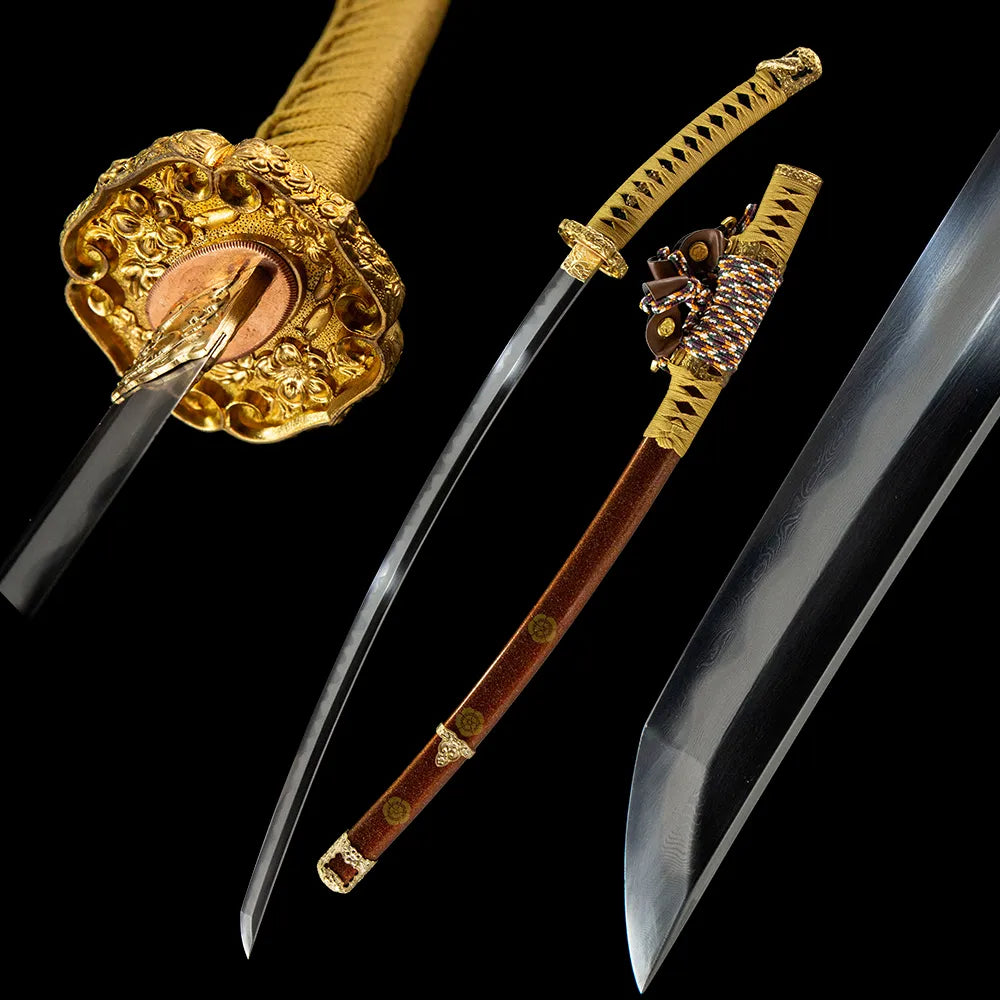
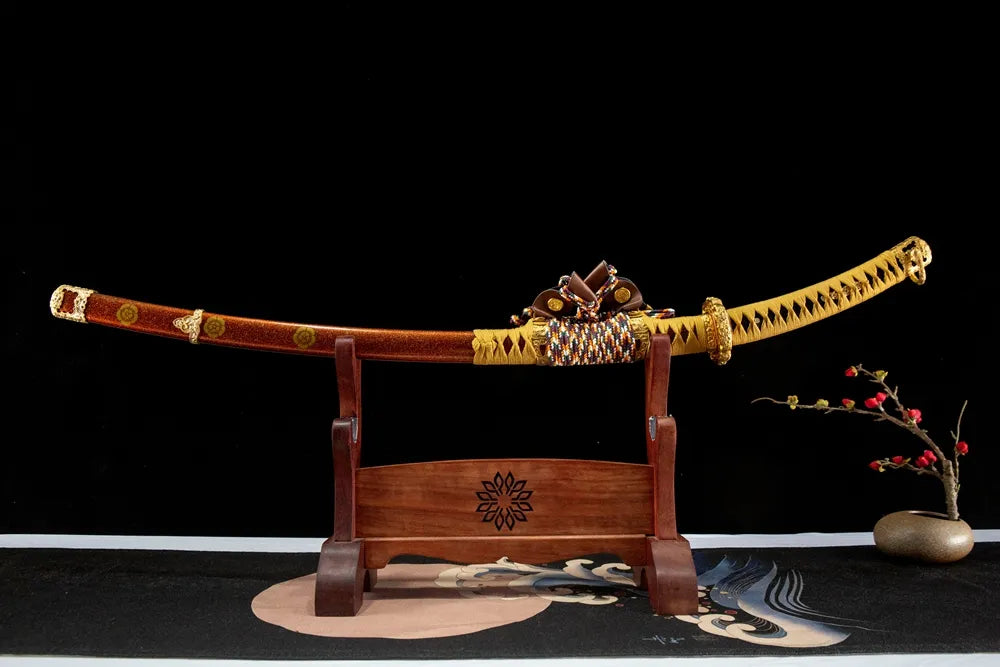
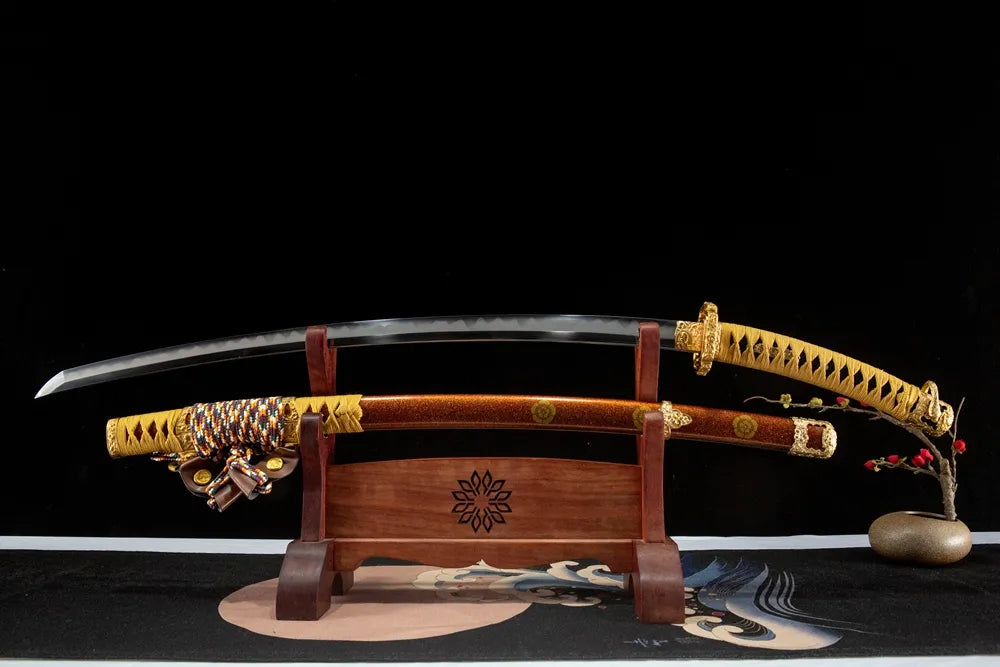
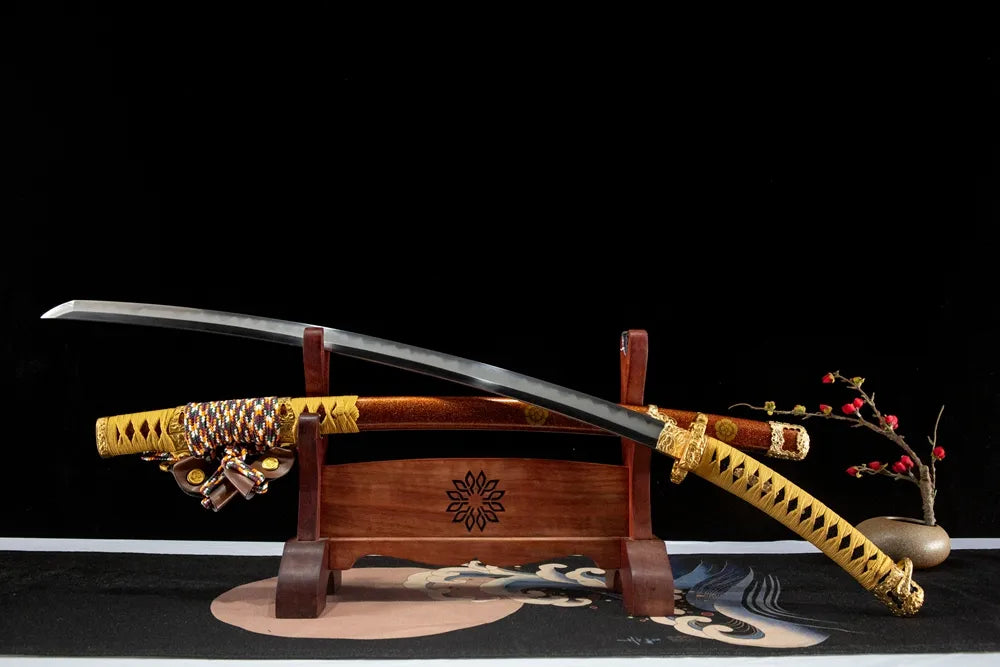
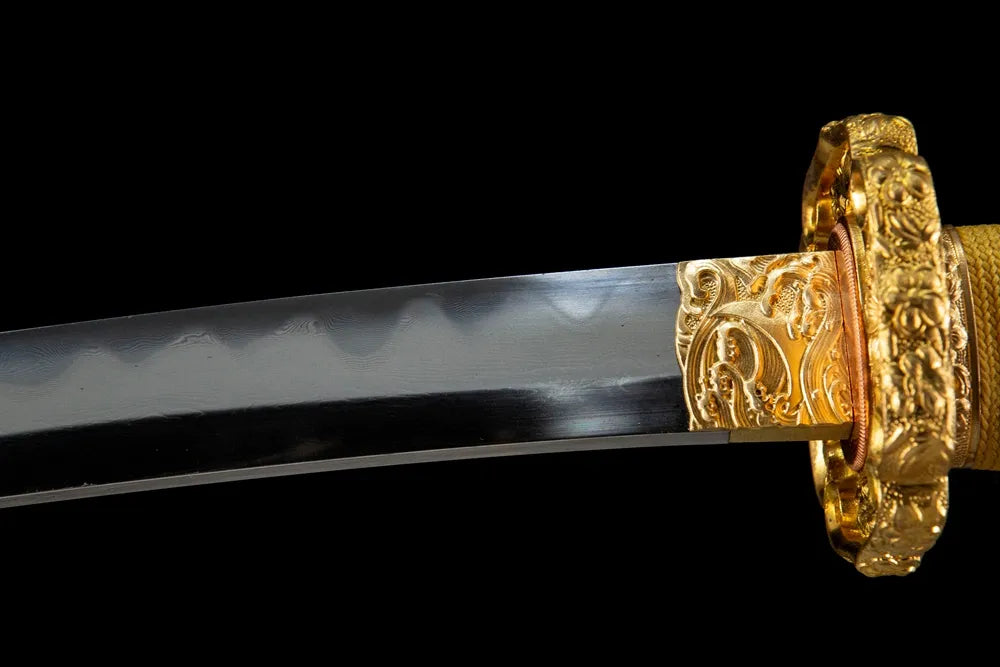
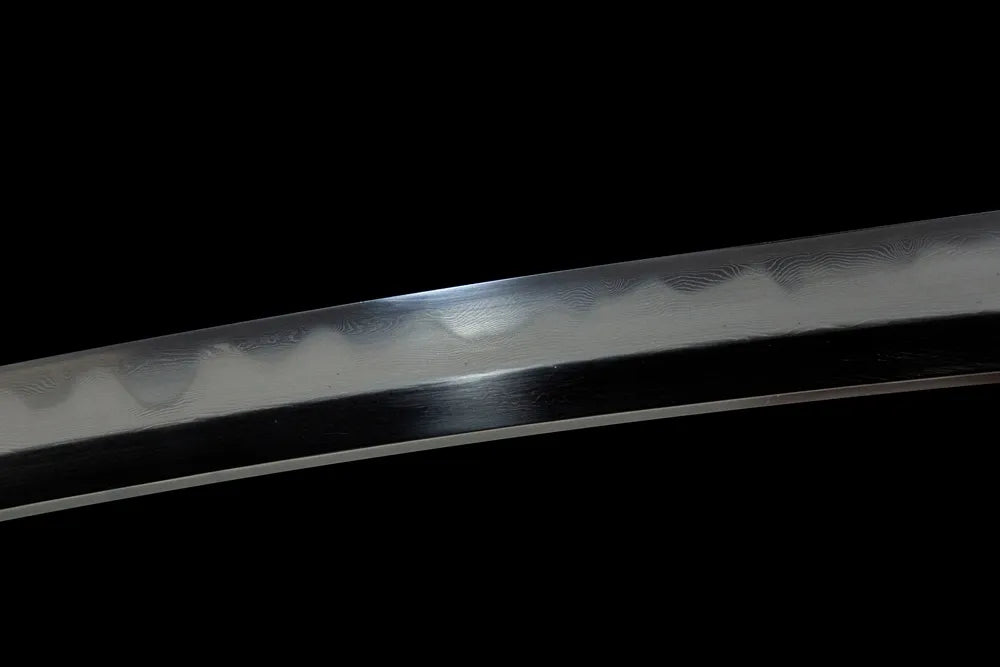
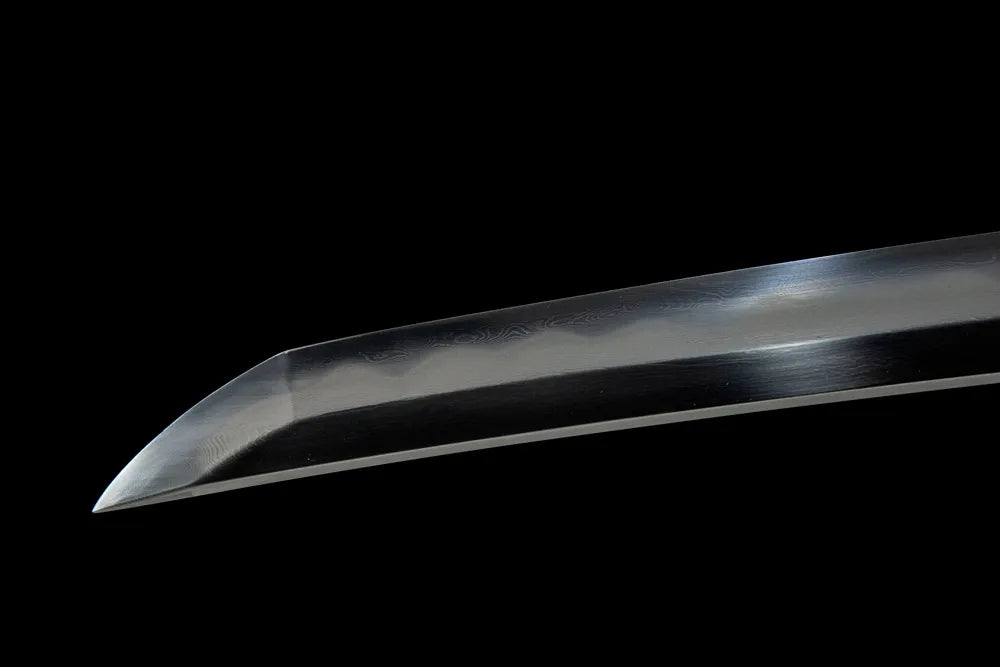
The Reverse Stem Chrysanthemum Tachi is historical horseback samurai tachi priced at $519.99, themed on traditional chrysanthemum nobility symbol, specially restored ancient large deep sori tachi shape for historical collection, costume shooting and oriental art display. The blade adopts multi-layer hand folding steel, manufactured via Tsuchioki clay temper craft to form neat uniform Gunome rounded wave hamon, structural real hand-forged yokote, maru solid no-hi blade, standard shinogizukuri profile, full fine grinding and factory pre-sharpened cutting edge for light cutting practice.
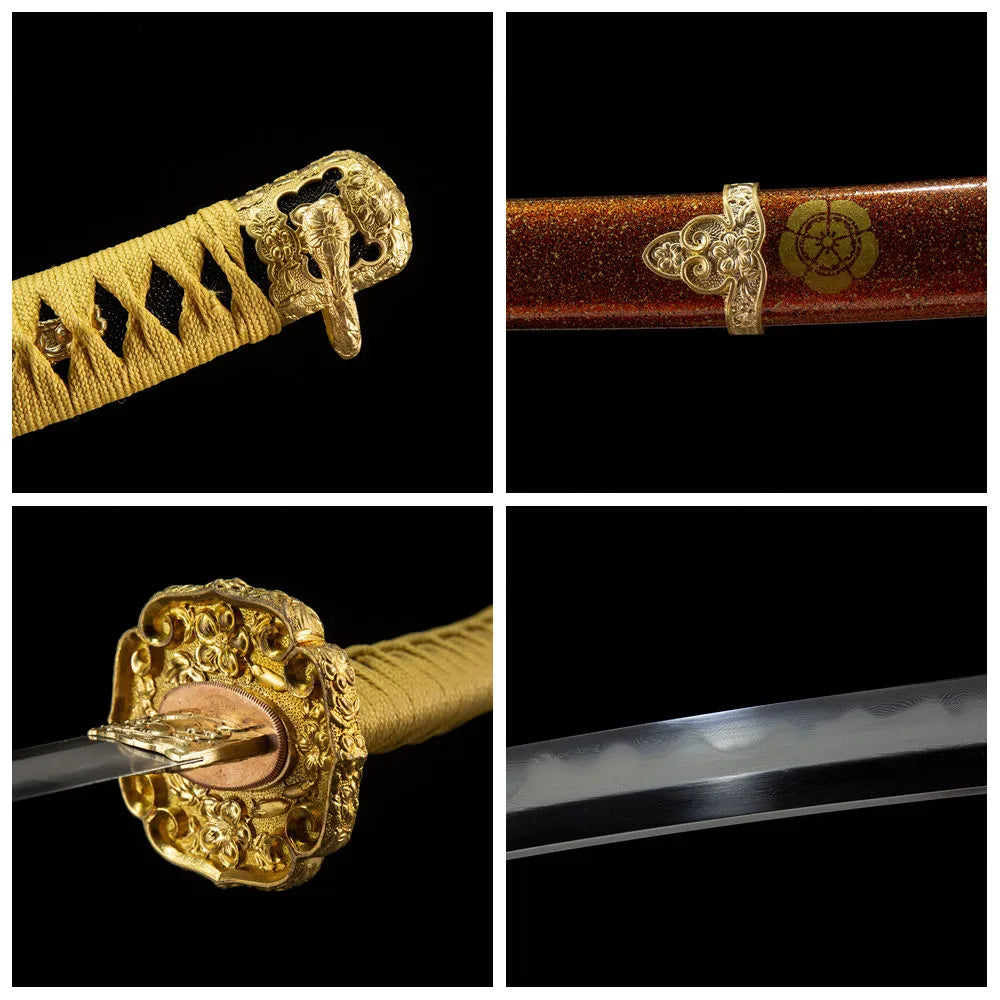
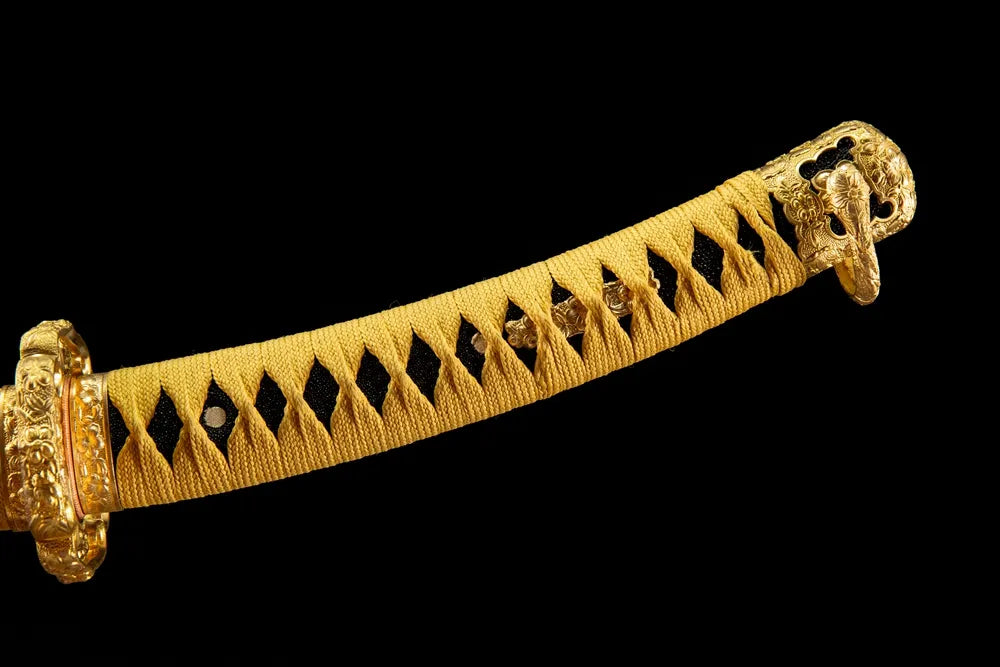
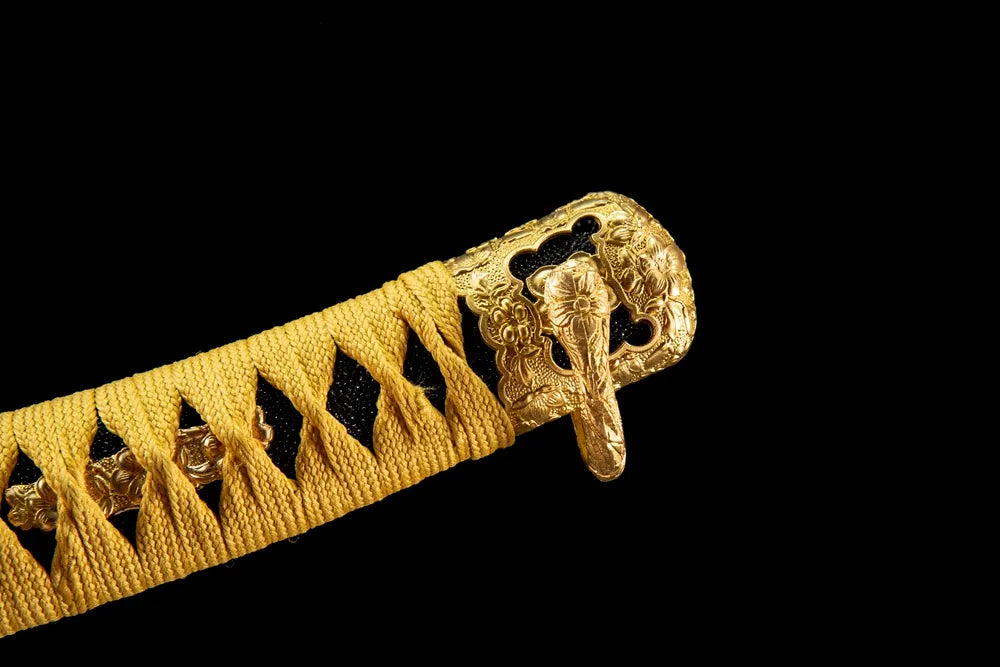
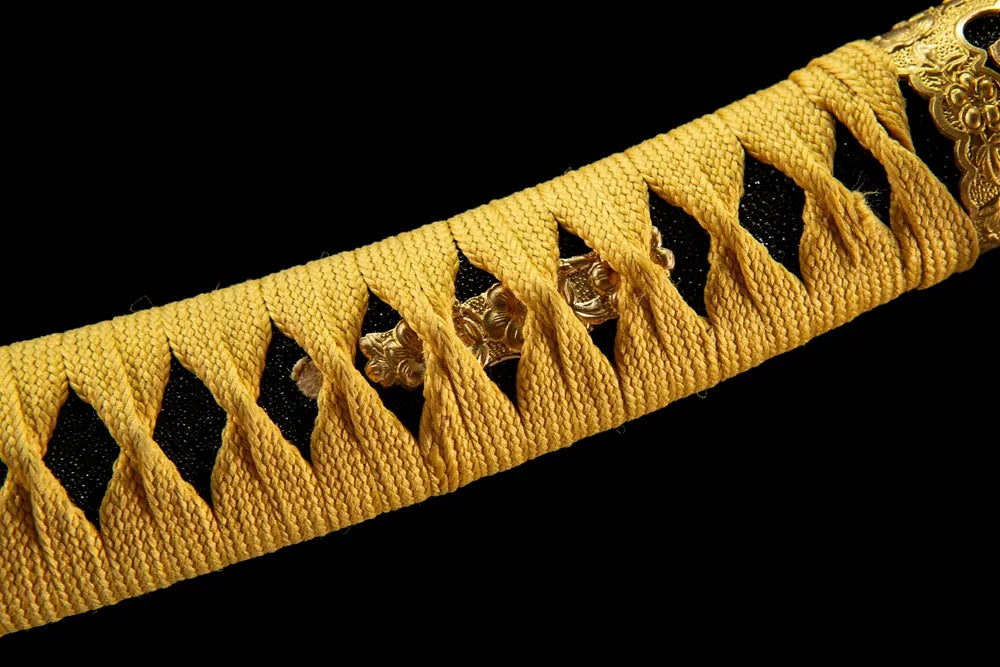
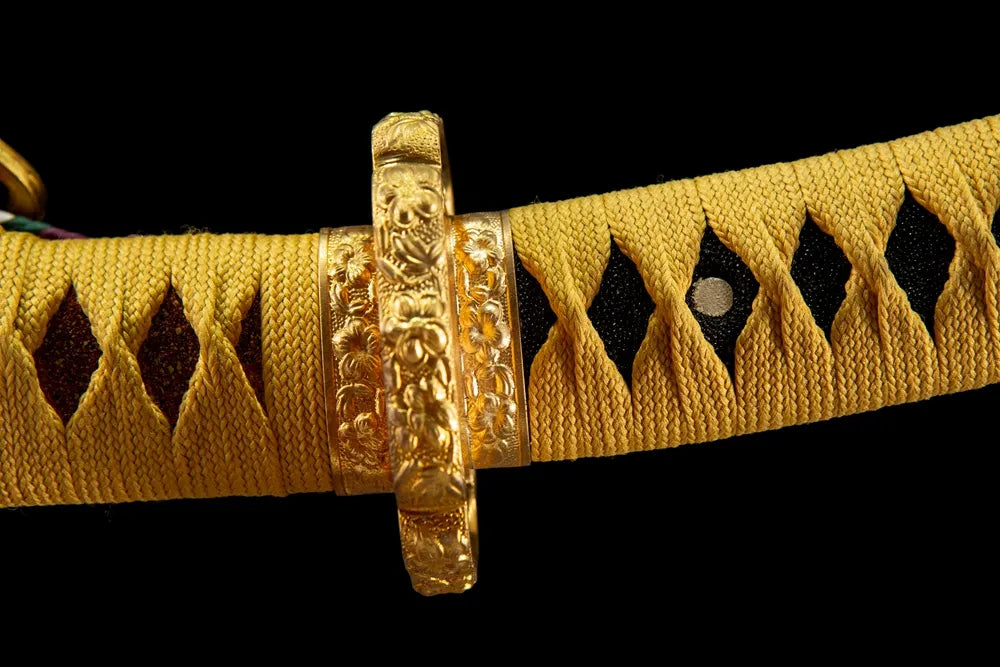
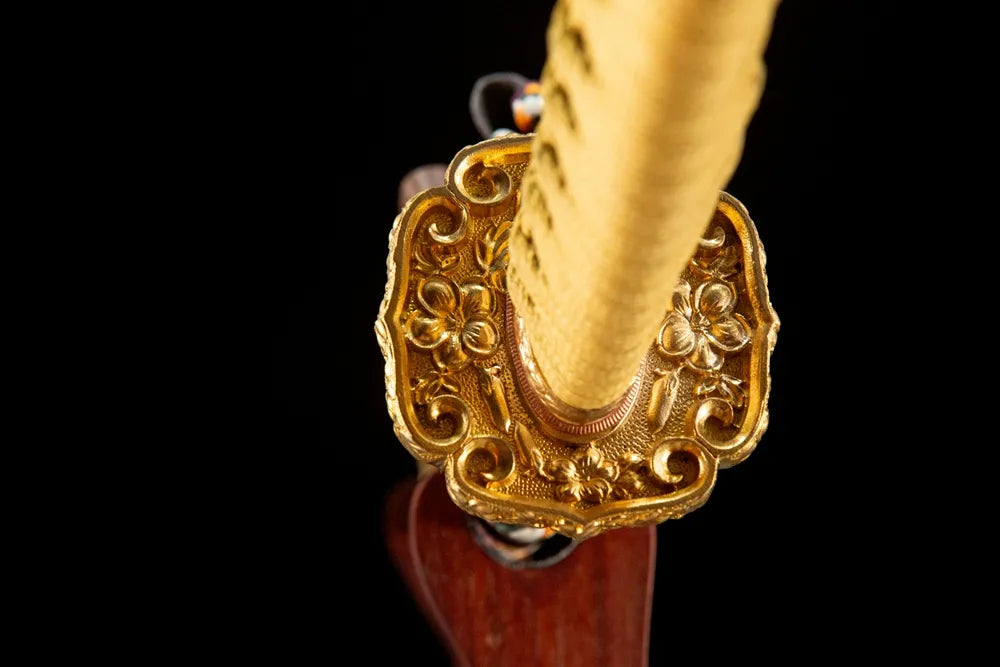
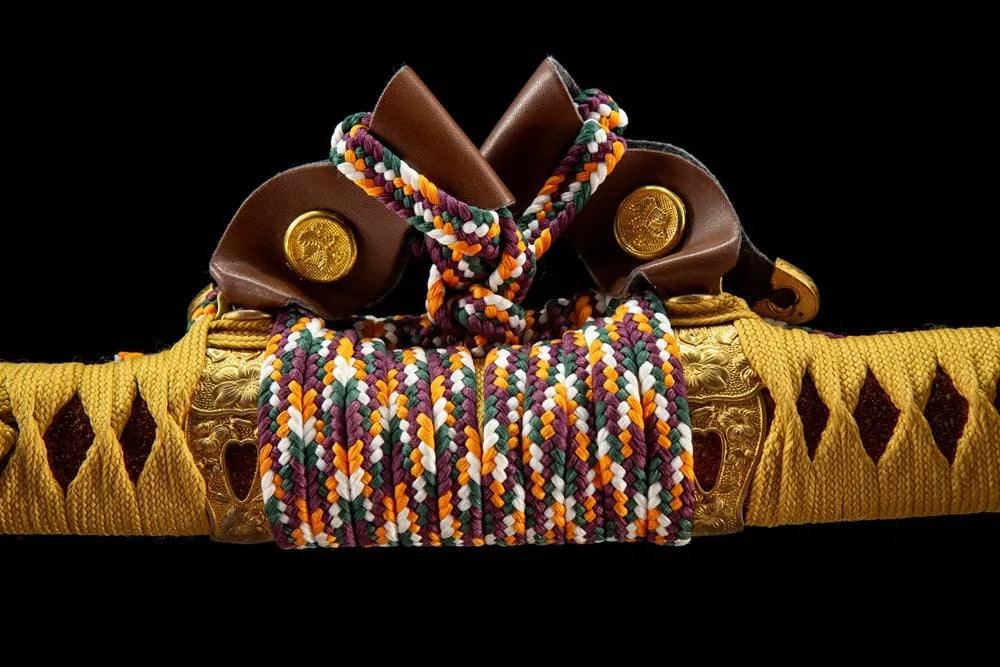
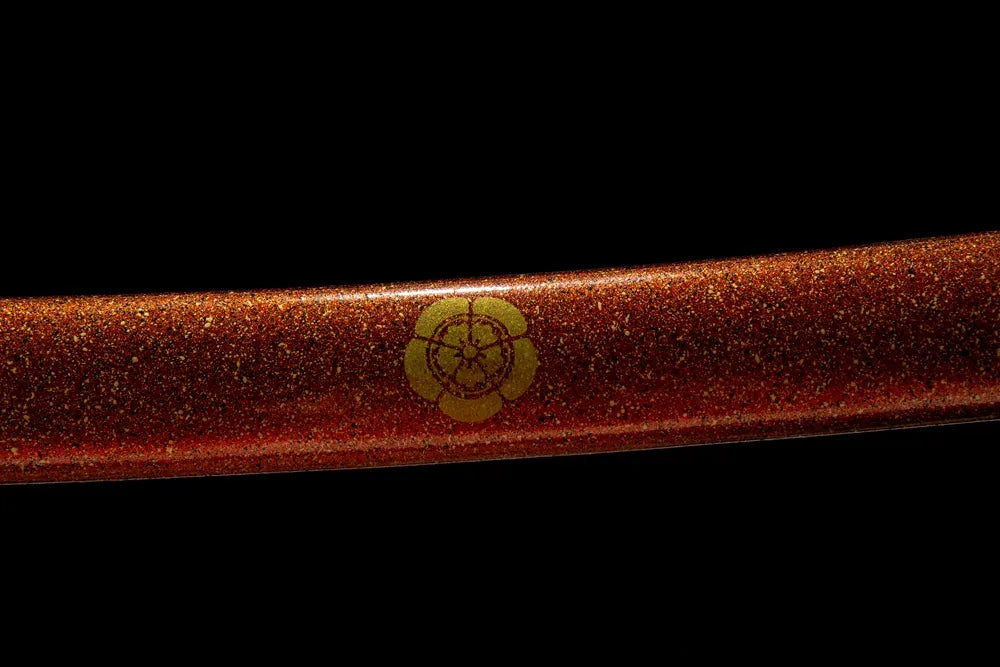
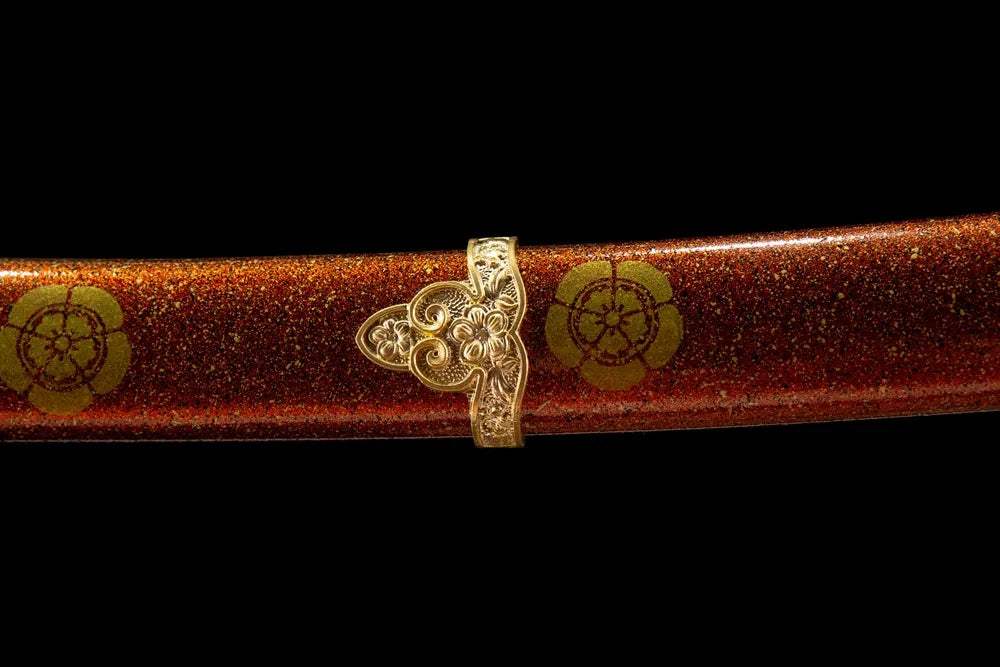
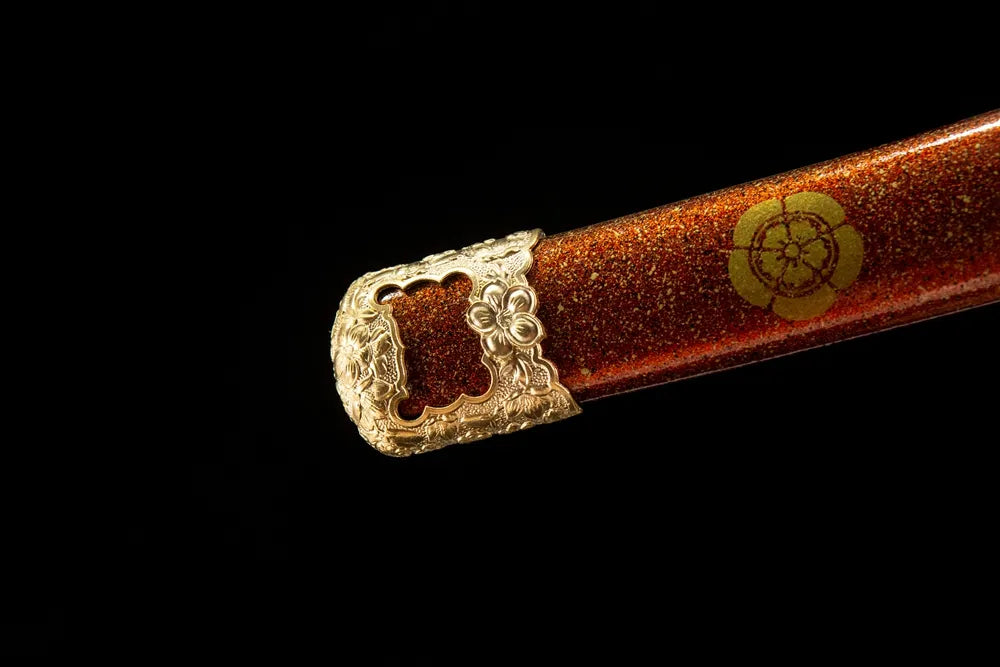
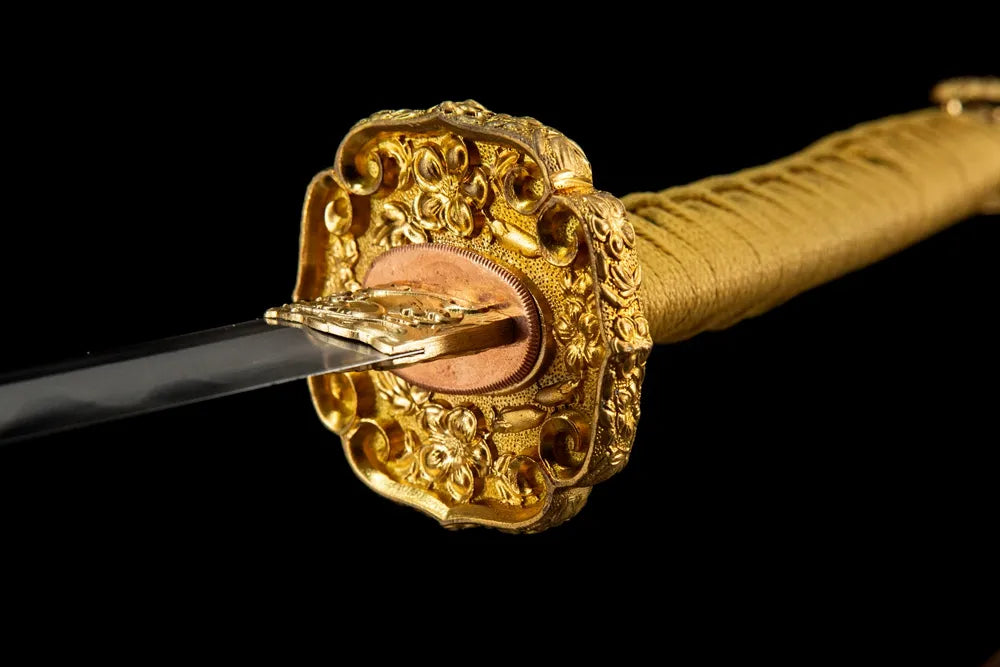
The whole set of koshirae uses matte solid copper fittings including tsuba, fuchi, kashira, menuki, habaki and seppa with subtle chrysanthemum relief patterns. The oval imogata tsuka is lined with genuine natural ray skin, wrapped with classic moro-hineri thick cotton silk, providing stable long-time holding experience. The scabbard is solid hardwood with matte plain paint finish, matched dedicated tachino waist hanging cotton cord. This tachi adopts fully disassemblable full tang fixed by two bamboo mekugi pegs, convenient regular blade anti-rust oil maintenance. Exclusive tachi storage bag is free gift accessory; extra $30 charge for personalized chrysanthemum blade carving upgrade.
Core Selling Advantages
- Authentic ancient tachi structure with extra large 3CM deep sori curve, restore Heian period horseback samurai sword shape
- Hand multi-layer folding steel, visible natural jihada grain, balanced toughness and cutting hardness
- Regular continuous Gunome rounded wave hamon, stable clay temper effect with neat visual layers
- Structural real hand-forged yokote, high-grade nihonto craft identification mark
- Full set matte solid copper chrysanthemum themed fittings, low-key vintage metallic texture
- Genuine ray skin wrapped oval tsuka, thick cotton moro silk non-slip long practice grip
- Dedicated tachino waist hanging cord, restore tachi edge-down wear tradition
- Fully disassemblable double bamboo mekugi full tang, easy daily blade maintenance
- Optional sharpened / unsharpened blade; extra $30 chrysanthemum pattern carving service
Complete Original Product Specifications (All parameters fully retained without omission)
| Parameter Item | Parameter Value |
|---|---|
| Zencho (Total Entire Length) | 102CM |
| Hacho (Blade Length) | 72CM |
| Handle Length | 27CM |
| Sori (Blade Curvature) | 3CM |
| Sakikasane (Blade Tip Thickness) | 0.45CM |
| Motokasane (Blade Root Thickness) | 0.7CM |
| Sahihaba (Blade Tip Width) | 2.3CM |
| Motohaba (Blade Root Width) | 3.2CM |
| Kissaki Nagasa (Tip Length) | 3.9CM |
| Mizuheshi Quenching Craft | Tsuchioki Traditional Clay Tempering |
| Hamon Pattern | Gunome Rounded Continuous Wave Hamon |
| Blade Material | Multi-Layer Hand Folding Steel |
| Hi Blood Groove | No HI (No Blood Groove) |
| Blade Forge Structure | MARU Mono Solid Construction |
| Blade Treatment | Full Hand Fine Grinding |
| Blade Profile | Shinogizukuri |
| Yokote | Real Hand Forged Structural Yokote |
| Disassembled Feature | YES Fully Disassemblable Full Tang |
| Mekugiana Peg Holes | Two Double Peg Holes |
| Mekugi Fixing Pegs | Bamboo Pegs |
| Fuchi & Kashira Material | Matte Solid Copper Chrysanthemum Relief |
| Tsuka Wrap Craft | Moro-Hineri-Maki Thick Cotton Ito |
| Samekawa Handle Skin | Genuine Natural Ray Skin |
| Menuki Handle Ornaments | Solid Copper Chrysanthemum Pattern |
| Seppa Blade Washers | Solid Copper |
| Tsuba Hand Guard | Solid Copper Chrysanthemum Carved |
| Habaki Blade Collar | Solid Copper |
| Saya Scabbard | Solid Wood Matte Plain Paint Finish |
| Tachino Waist Cord | Plain Cotton Rope |
| Free Gift Accessory | Tachi Storage Carry Bag |
| Total Full Set Weight | 1.6KG |
| Desheathing Weight (Blade+Handle) | 1.13KG |
| Blade Sharp Option | Fully Sharpened |
| Exclusive Blade Carving | Not Carving Default; +$30 Chrysanthemum Pattern Upgrade |
| Important Reminder | All handmade products have minor dimensional & weight errors for reference only |
Frequently Asked Questions
Q: What’s the core difference between Tachi and regular Katana?
A: Tachi owns extra large deep sori curve, worn edge-down with tachino waist cord; katana has shallow curve and inserted edge-up into obi, different historical wearing culture.
Q: What’s the collectible value of folding steel Gunome hamon?
A: Multi-layer folding steel creates unique blade grain, Gunome uniform wave temper line is classic mid-tier nihonto temper pattern with stable clay temper texture.
Q: Why chrysanthemum theme for historical tachi?
A: Chrysanthemum is the symbol of Japanese royal nobility, widely applied on ancient court samurai tachi for ceremonial display and gift use.
Q: Who is this large sori tachi suitable for?
A: Historical nihonto collectors, ancient costume photography, oriental study display and premium cultural gifts.
Q: Can I customize chrysanthemum patterns on blade?
A: Yes, extra $30 blade carving service available, customize chrysanthemum text or relief, visit Custom Katana page for full personalized design.
Q: Similar large curve folding steel tachi reference?
A: You can view deep sori historical tachi: Koden Big Sori Tachi.
Browse all historical horseback tachi & functional katana in Handmade Katana & Tachi Collection.
Master Tachi and Katana professional vocabulary via Katana & Tachi Parts Terminology Guide.
All Xingyu Sword orders support free US shipping and 30-day hassle-free return policy.
Katana parts names and terminology
Katana parts names and terminology
In the world of Katana, Katana parts names and terminology are very important as most of the Katana parts names use Japanese vocabulary and special nouns. This page can help you understand Katana faster.


A.SAKIKASANE Thickness of blade tip.
B.MOTOKASANE Thickness of the bottom of the blade.
C.KISSAKI NAGASA Length of tip.
D.SAKIHABA Width of blade tip.
E.MUNE The surface of the katana back.
F.MOTOHABA Width of bottom of blade.
G.MUNEMACHI The notch at the top of the blade stem,where the back surface (mune) of the blade begins.
H.HAMACHI A notch at the top of the blade,where the blade begins.
I.FUKURA The radian of the blade in the tip area.
J.BOSHI Blade text in the tip area.
K.YOKOTE The boundary between blade tip and blade body.
L.KOSHINOGI Shinogi-ji above the blade tip area (yokote).
M. MITSUKADO Intersection point of yokote and blade edge of blade body and blade edge of tool tip.
N.SHINOGI MITSUKADO Shinogi,Koshinogi und Yokote linien.
O.SHINOGI-JI Blade surface between shinogi and mune.
P.SHINOGI A chear straight line extending along the longitudinal direction of the blade is the thickest part of the blade (only appearing on katana of shinogi-zakuri) .
Q.JI The surface between shinogi and nioiguchi.
R.HA The edge area of the cutter body is hardened by quenching.
S.HASAKI Asharpened edge.
T.NIOIGUCHI A clear line separating the hardened blade from the softer part of the blade body.
U.ASHI Nioiguchi's extension line in the direction of the blade.
V.HACHO A straight line that determines the length of the blade.
W.SORI Degree of blade bending.
X.ZENCHO The total length of the katana,including the stem (the blade length is only the blade body).
Y.NAKAGO NACASA Length of katana stem.
Z.MAKUGIANA A hole in the shank for receiving Mekugi (bamboo nail for fixing the blade in the handle).
AA,MEI Inscription on the hilt (usually the name of the katana maker,but there are often other information).
Now that you have learned the terminology and proper nouns of katana through this article, you also design customize your ideal katana.
Choose options