
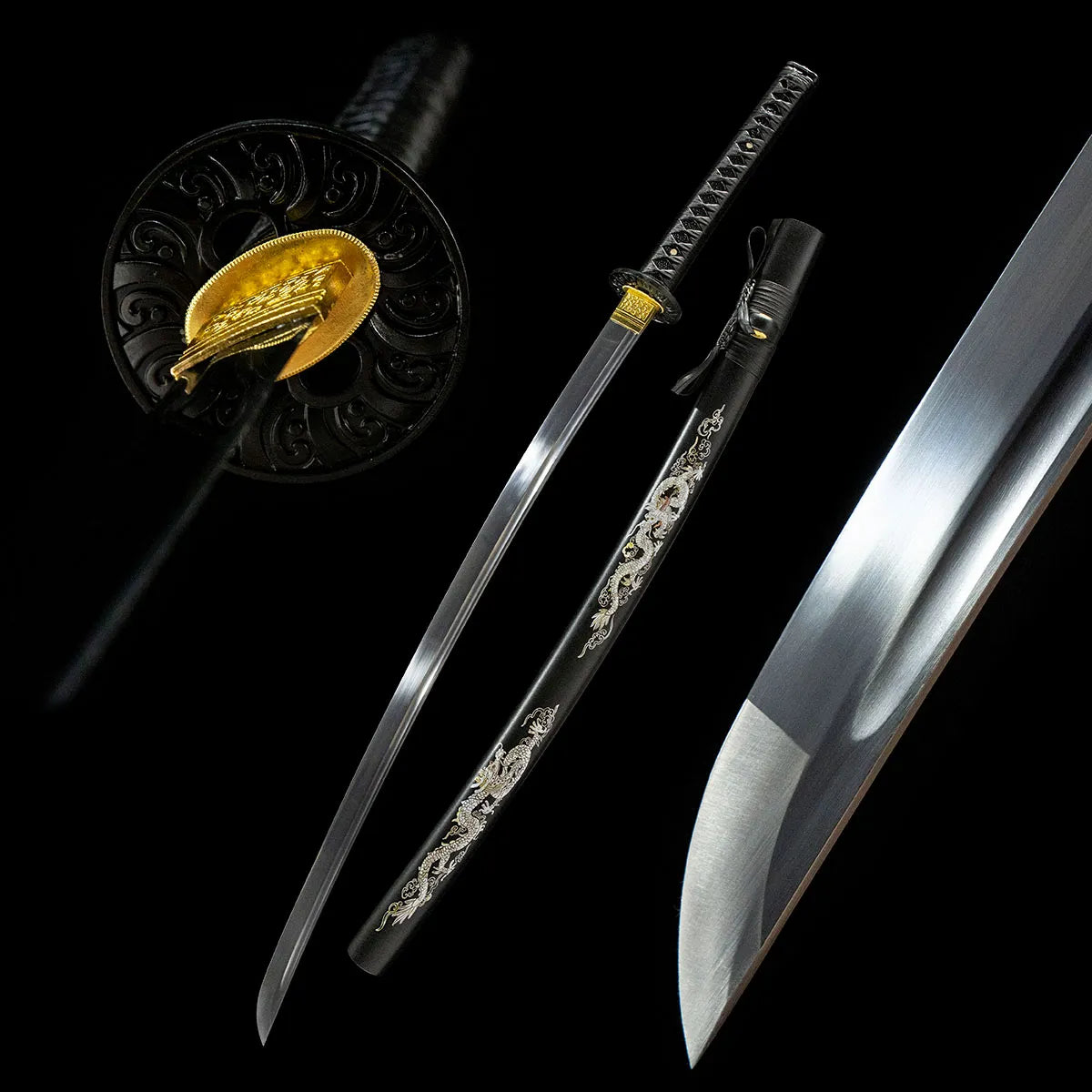
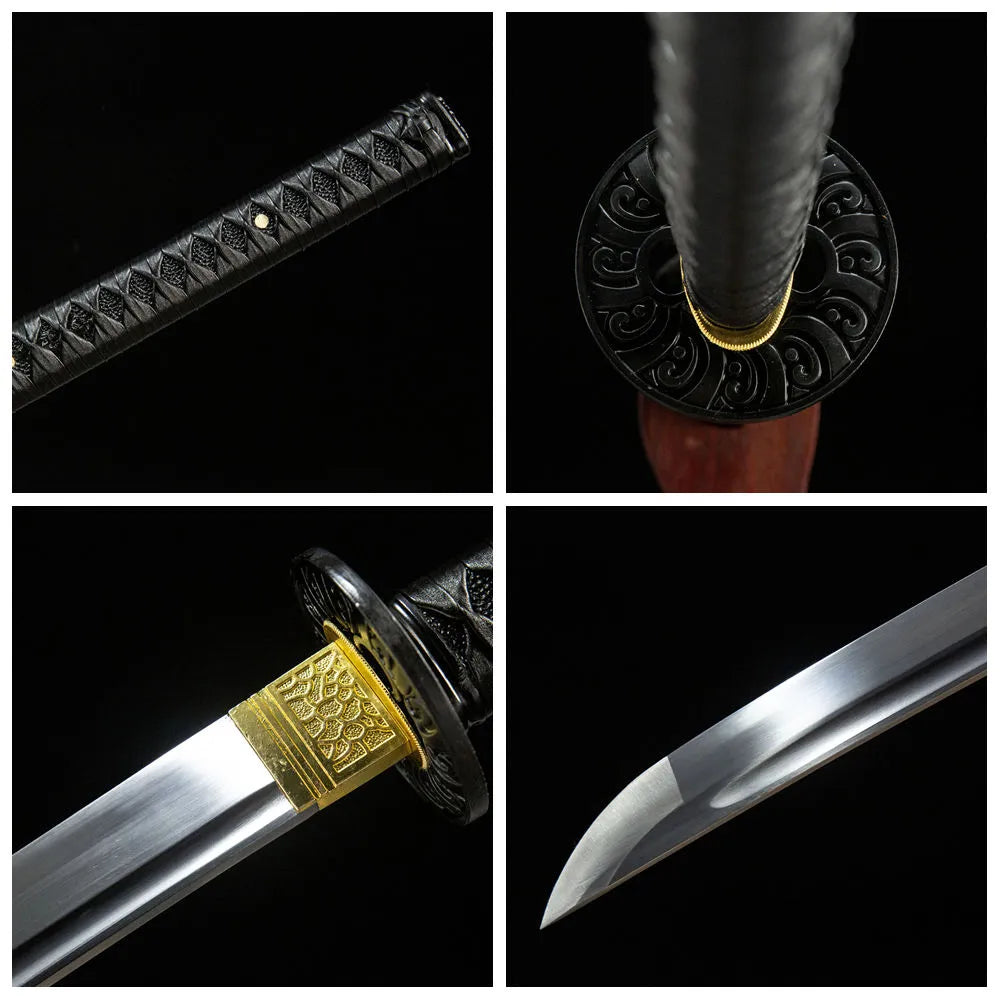
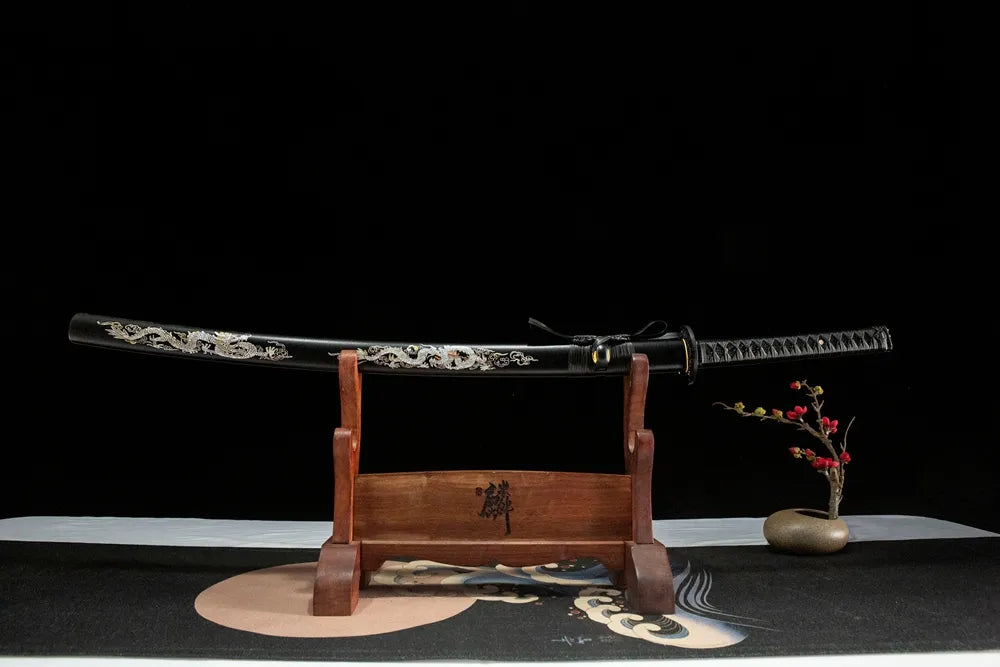
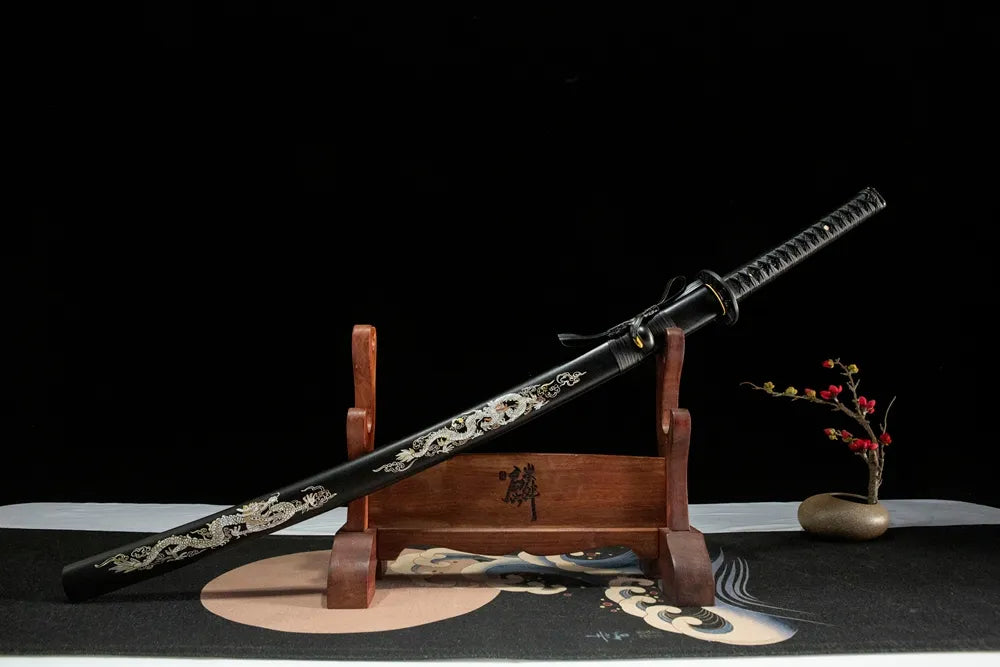


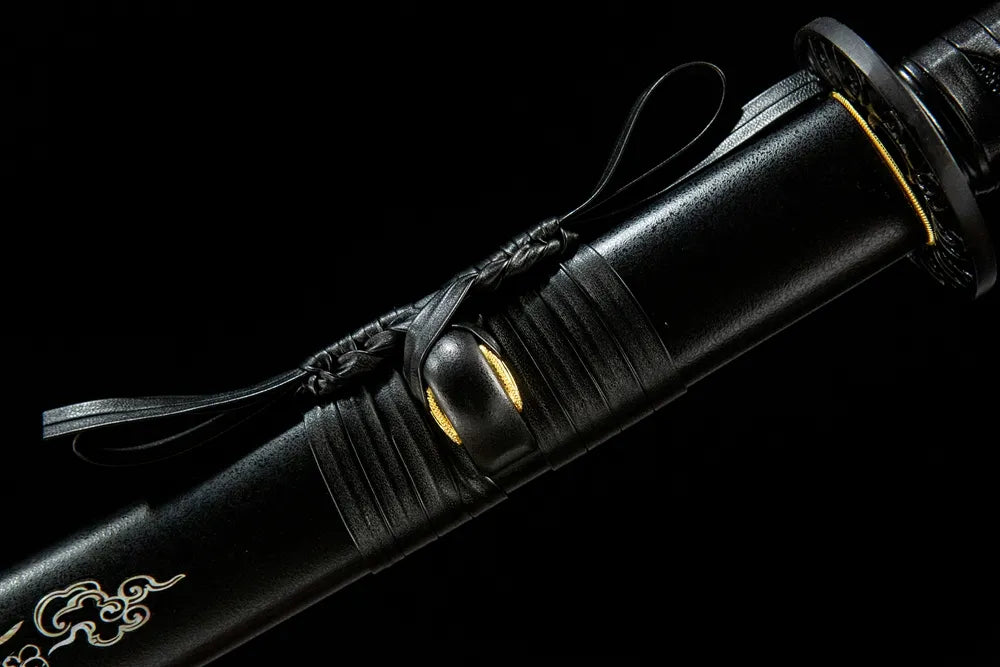
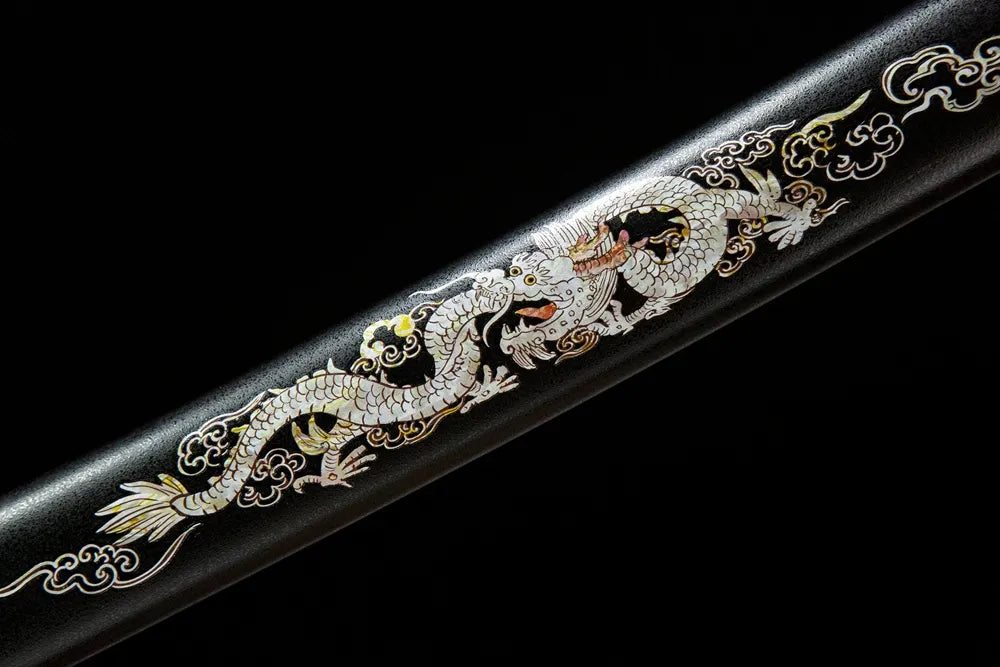
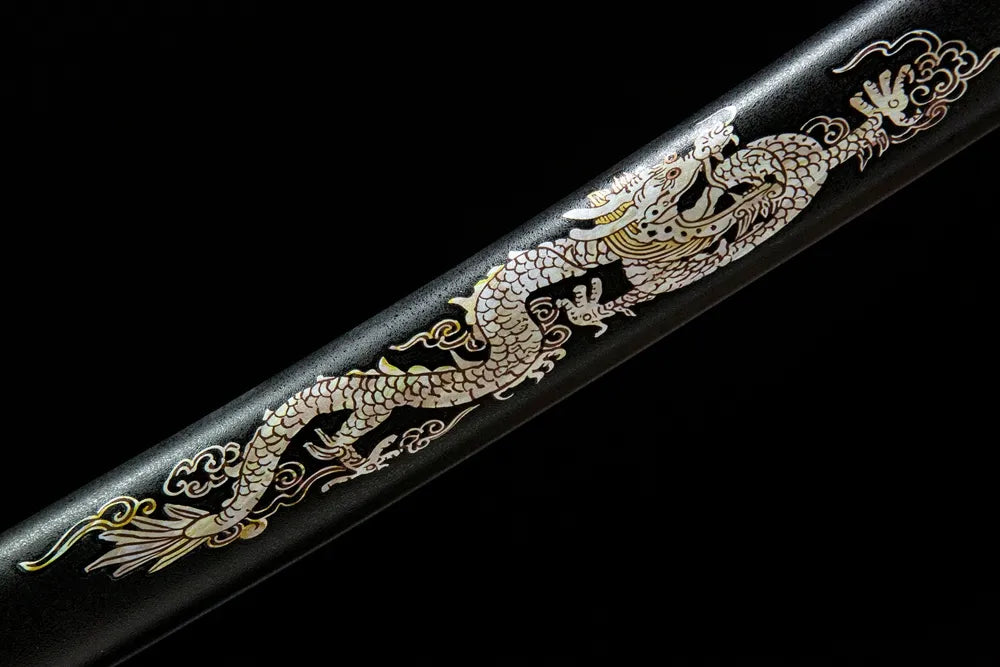
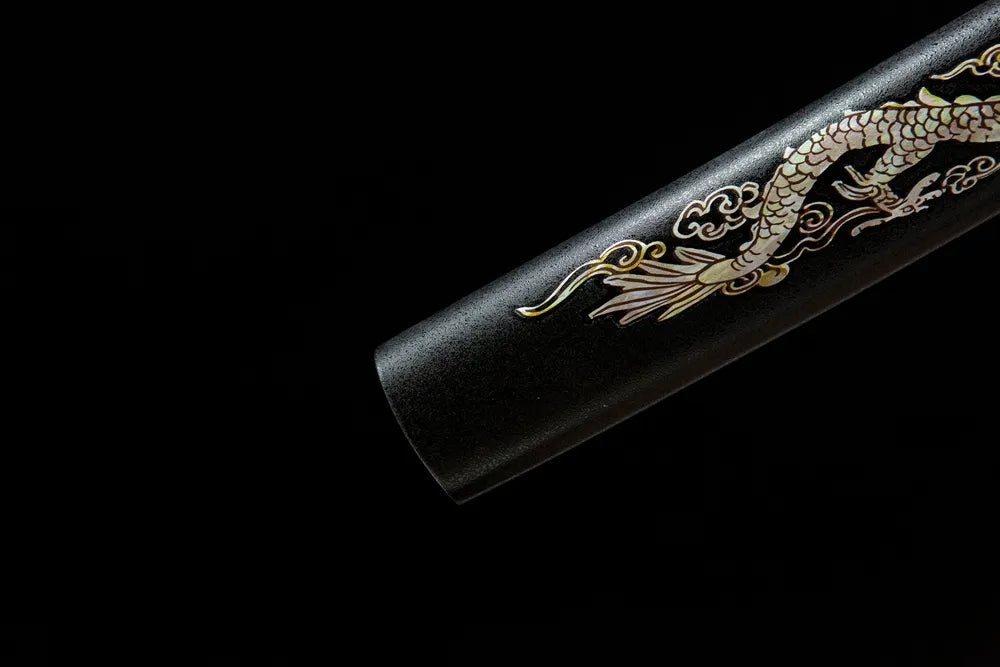
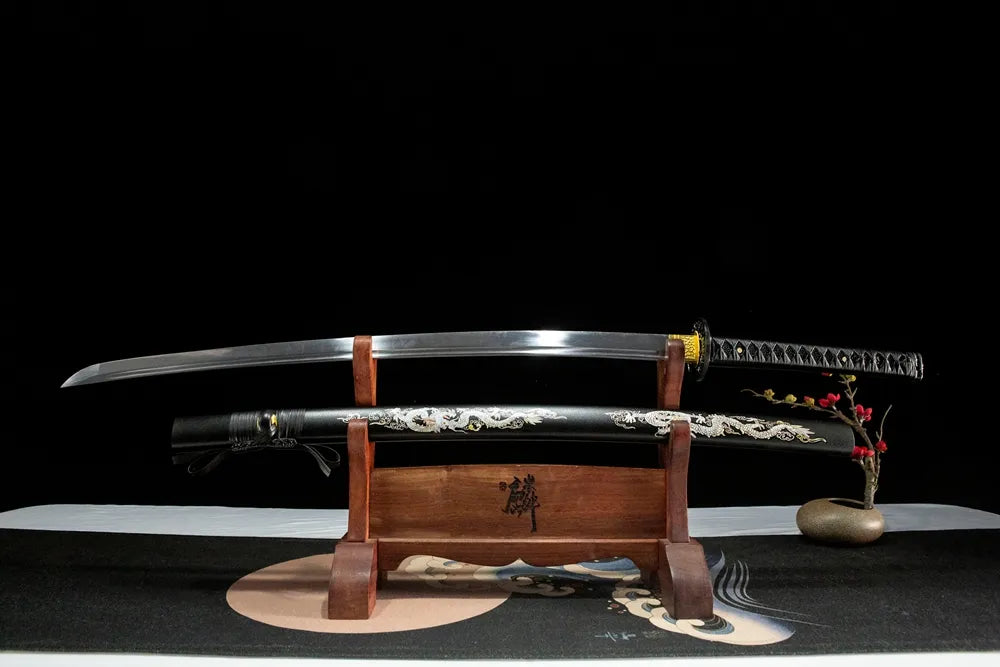
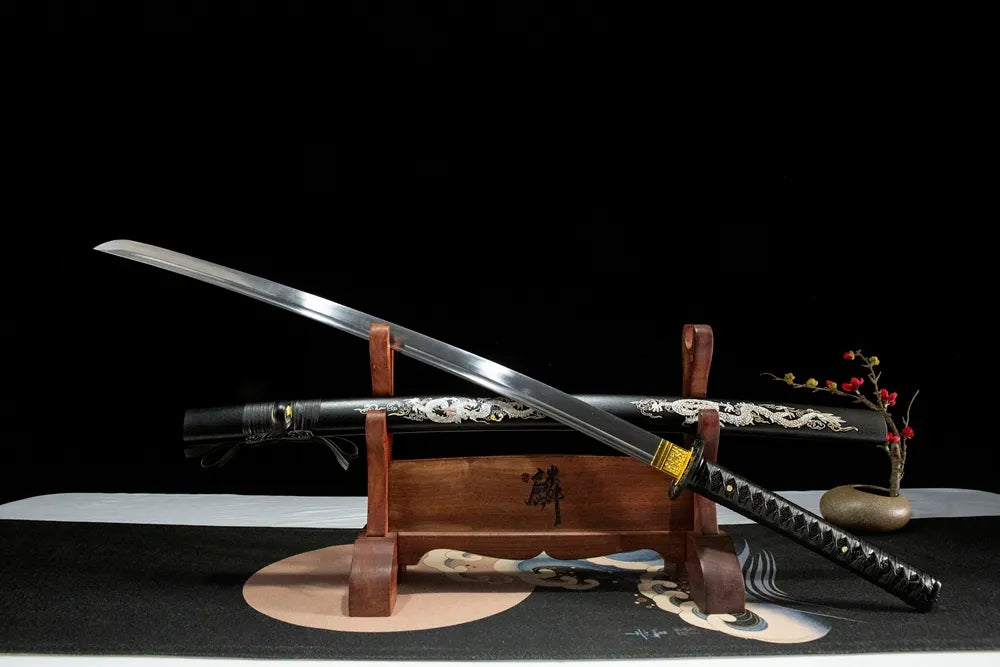
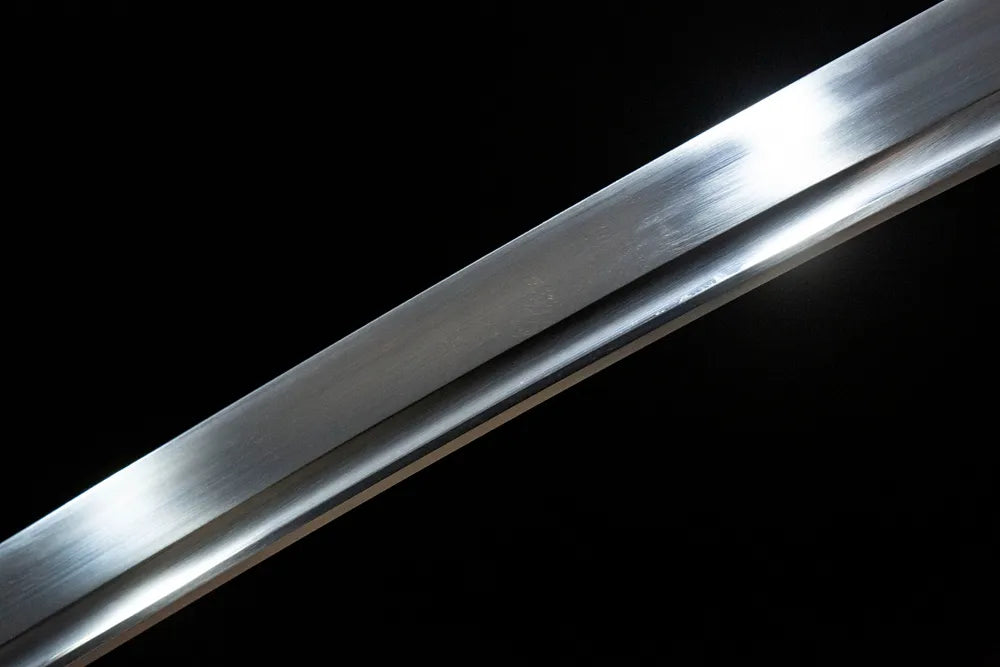
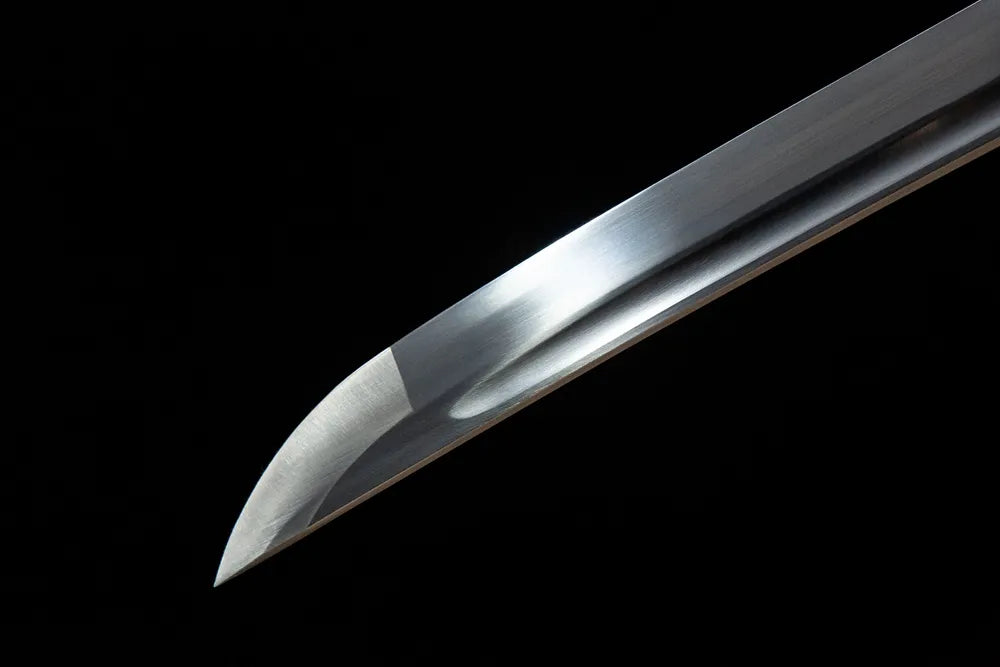
Twine Dragon Katana

Handcrafted by experienced swordsmen

Free American Express

Perfect after-sales service

SSL End-to-end encryption secure payment
【Zencho】entire length:103cm
【Hacho】blade length:72cm
【Handle length】:27cm
【Sori】:1.8cm
【Sakikasane】:0.5cm
【Motokasane】:0.7cm
【Sahihaba】:2.3cm
【Motohaba】:3.2cm
【Mizuheshi】:water quenching
【Blade material】:1060 Steel
【Hi】:One
【Structure】:Maru
【Blade treatment】:fine grinding
【Blade type】:Shinogi-zukuri
【Disassembled】:Yes
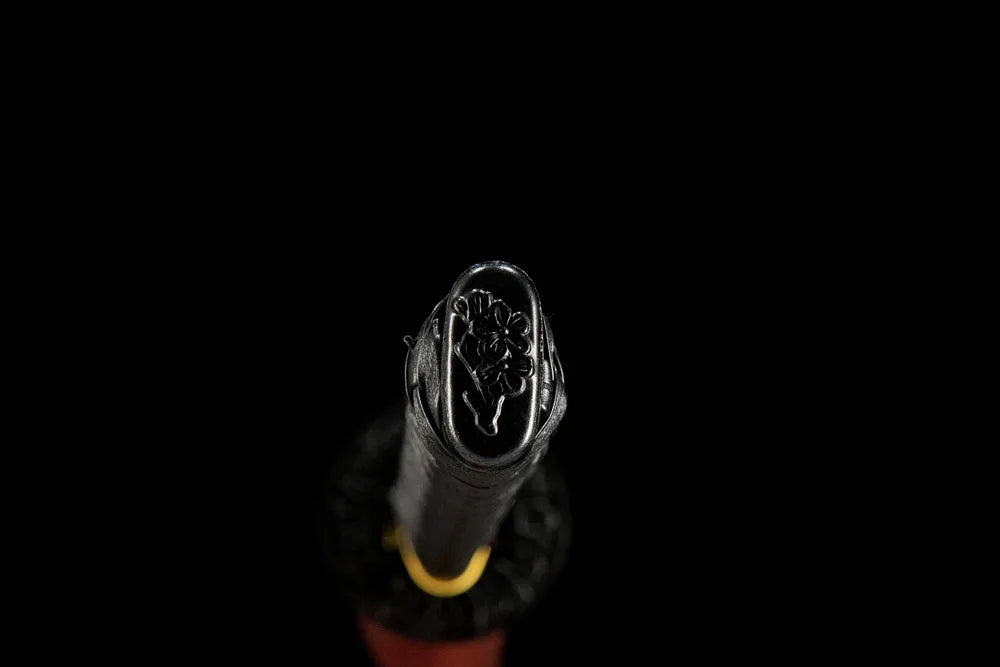
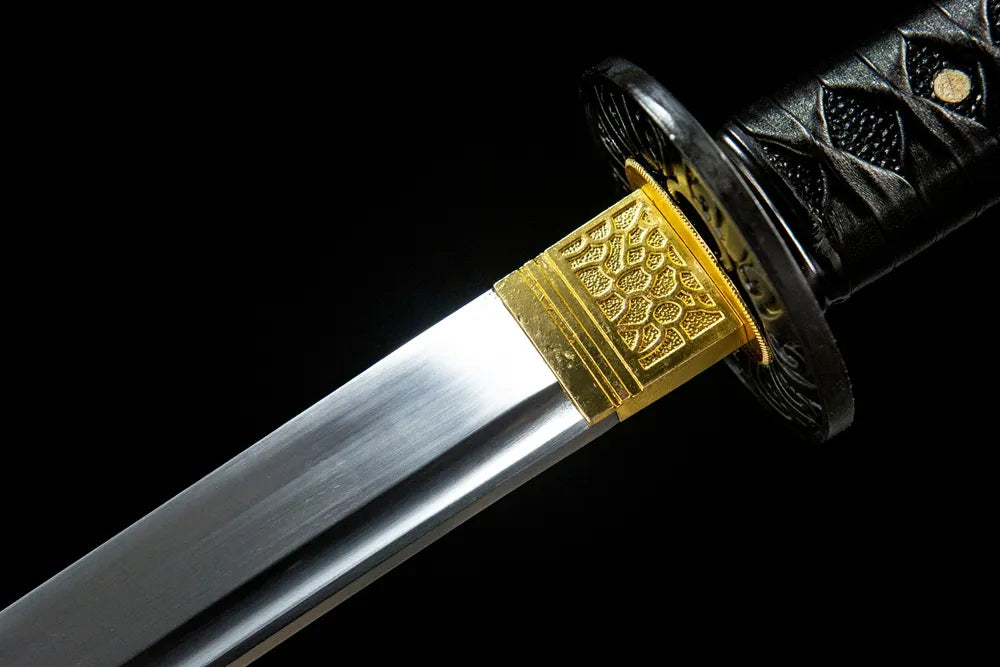
【Fuchi kashira】:Alloy
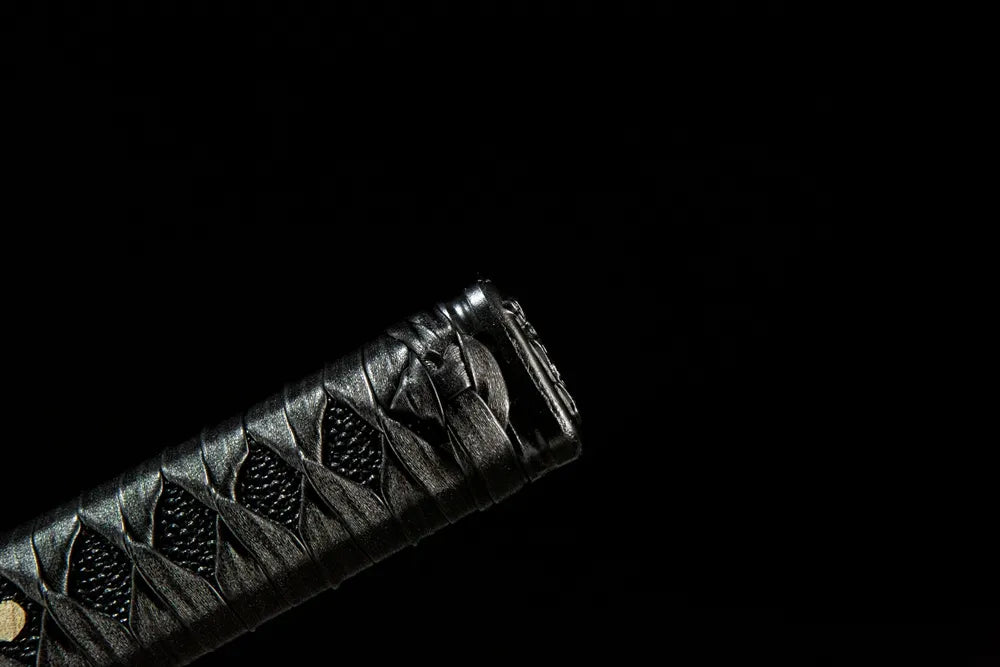
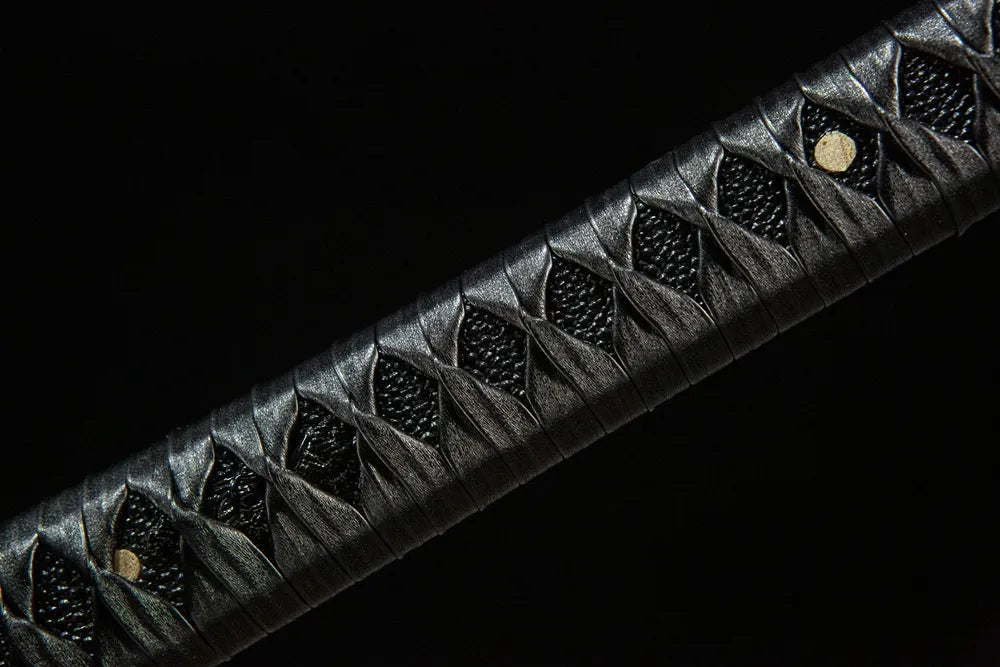
【Handle wraps】:Moro-hineri-maki
【Mekugiana】:Two
【Mekugi】:Bamboo
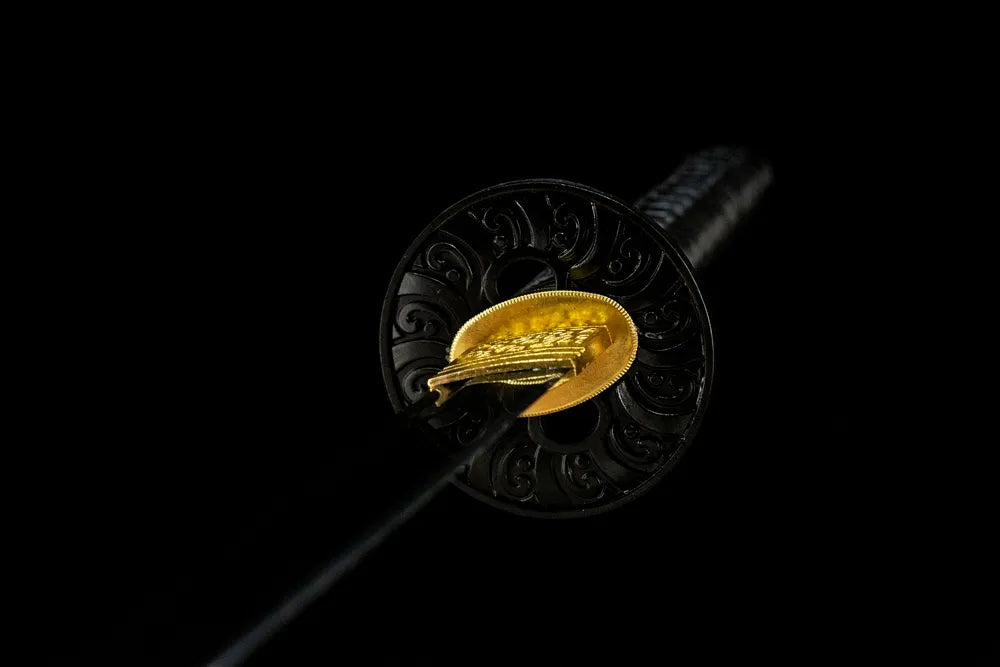
【Menuki】:Two
【Seppa】:Copper
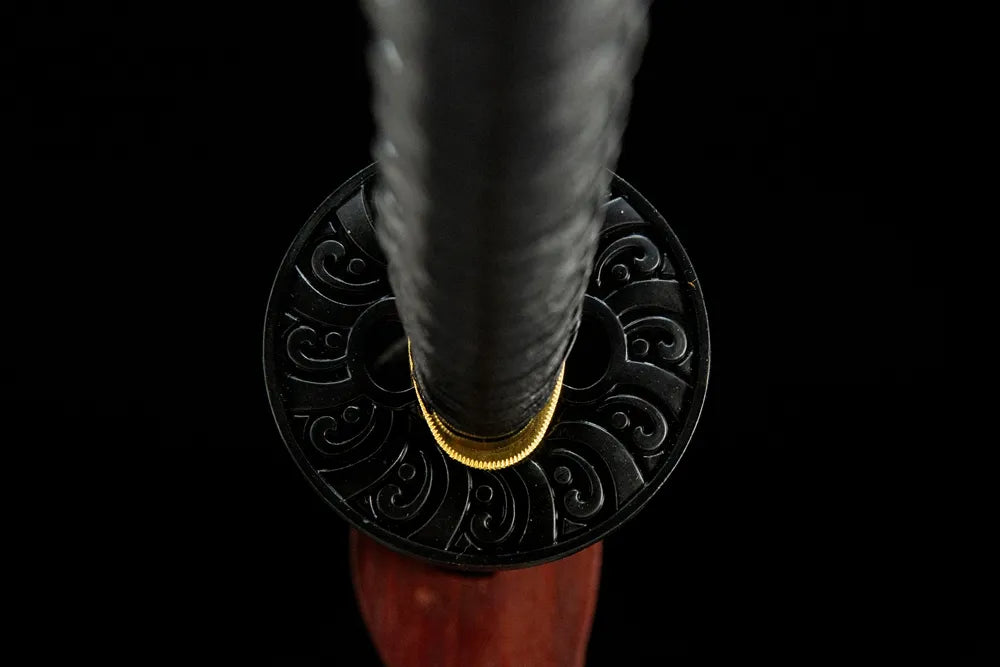
【Tsuba】:Alloy
【Habaki】:Copper
【Saya】: Solid wood paint
【Total weight】:1.3KG
【Desheathing weight】:1.1KG
【Other】: Handmade products have errors, specifications are for reference only!
Introducing the Twine Dragon Katana – the perfect first sword for beginners and budget-conscious sword enthusiasts. Handcrafted by master artisans in Longquan, China – a city with 2500 years of sword-making history – this katana combines authentic Japanese design with modern durability at an unbeatable price.
Key Features
• Full tang construction: Blade extends the entire length of the handle for maximum strength and safety
• Premium 1060 carbon steel blade: Water quenched to HRC 56-58 for ideal balance of hardness and toughness
• Traditional twine-wrapped handle: Authentic Moro-hineri-maki wrap provides a secure, non-slip grip
• Single full-length blood groove (Hi): Reduces overall weight and improves balance for smoother handling
• Fully disassemblable: Easy to clean, maintain and replace parts when needed
• Fine ground blade: Smooth, sharp edge ready for light practice and display
Ideal for Iaido training, basic Tameshigiri (test cutting), cosplay, historical reenactments, and as an affordable entry into sword collecting. Each sword comes with a solid wood lacquered saya (scabbard) and all standard accessories.
All Xingyu Sword offers free shipping to the United States.
Frequently Asked Questions
Q: Is the Twine Dragon Katana full tang?
A: Yes! This katana features a full tang construction secured with two bamboo mekugi (pegs), providing maximum strength and durability for practice use.
Q: What is the handle wrapped in?
A: The handle features a traditional Moro-hineri-maki wrap made of durable natural twine. This classic wrapping method provides an excellent non-slip grip and authentic historical appearance.
Q: Is this katana suitable for complete beginners?
A: Absolutely! It is perfectly balanced, affordably priced, and designed specifically for beginners learning Iaido, basic cutting techniques, or starting their sword collection.
Q: Can this katana be taken apart for maintenance?
A: Yes, it is fully disassemblable. You can easily remove the handle to clean the blade, inspect the tang, or replace the handle wrap when it wears out.
Q: How hard is the blade?
A: The 1060 carbon steel blade is water quenched to a hardness of HRC 56-58, which is ideal for light to medium cutting practice on tatami mats, bamboo and other soft targets.
Q: Does this katana come sharpened?
A: Yes, it comes factory pre-sharpened and ready for use. We also offer an unsharpened option for those who only plan to use it for display or cosplay.
Q: What is included with my purchase?
A: Each Twine Dragon Katana comes with: the sword itself, a solid wood lacquered saya (scabbard), cotton sageo (cord), and packaging box.
Katana parts names and terminology
Katana parts names and terminology
In the world of Katana, Katana parts names and terminology are very important as most of the Katana parts names use Japanese vocabulary and special nouns. This page can help you understand Katana faster.


A.SAKIKASANE Thickness of blade tip.
B.MOTOKASANE Thickness of the bottom of the blade.
C.KISSAKI NAGASA Length of tip.
D.SAKIHABA Width of blade tip.
E.MUNE The surface of the katana back.
F.MOTOHABA Width of bottom of blade.
G.MUNEMACHI The notch at the top of the blade stem,where the back surface (mune) of the blade begins.
H.HAMACHI A notch at the top of the blade,where the blade begins.
I.FUKURA The radian of the blade in the tip area.
J.BOSHI Blade text in the tip area.
K.YOKOTE The boundary between blade tip and blade body.
L.KOSHINOGI Shinogi-ji above the blade tip area (yokote).
M. MITSUKADO Intersection point of yokote and blade edge of blade body and blade edge of tool tip.
N.SHINOGI MITSUKADO Shinogi,Koshinogi und Yokote linien.
O.SHINOGI-JI Blade surface between shinogi and mune.
P.SHINOGI A chear straight line extending along the longitudinal direction of the blade is the thickest part of the blade (only appearing on katana of shinogi-zakuri) .
Q.JI The surface between shinogi and nioiguchi.
R.HA The edge area of the cutter body is hardened by quenching.
S.HASAKI Asharpened edge.
T.NIOIGUCHI A clear line separating the hardened blade from the softer part of the blade body.
U.ASHI Nioiguchi's extension line in the direction of the blade.
V.HACHO A straight line that determines the length of the blade.
W.SORI Degree of blade bending.
X.ZENCHO The total length of the katana,including the stem (the blade length is only the blade body).
Y.NAKAGO NACASA Length of katana stem.
Z.MAKUGIANA A hole in the shank for receiving Mekugi (bamboo nail for fixing the blade in the handle).
AA,MEI Inscription on the hilt (usually the name of the katana maker,but there are often other information).
Now that you have learned the terminology and proper nouns of katana through this article, you also design customize your ideal katana.
Choose options