
Fierce Tiger Katana | Folded Steel Honsanmai Notare Hamon Real Yokote Copper Fittings Disassemblable Samurai Sword

Handcrafted by experienced swordsmen

Free American Express

Perfect after-sales service

SSL End-to-end encryption secure payment
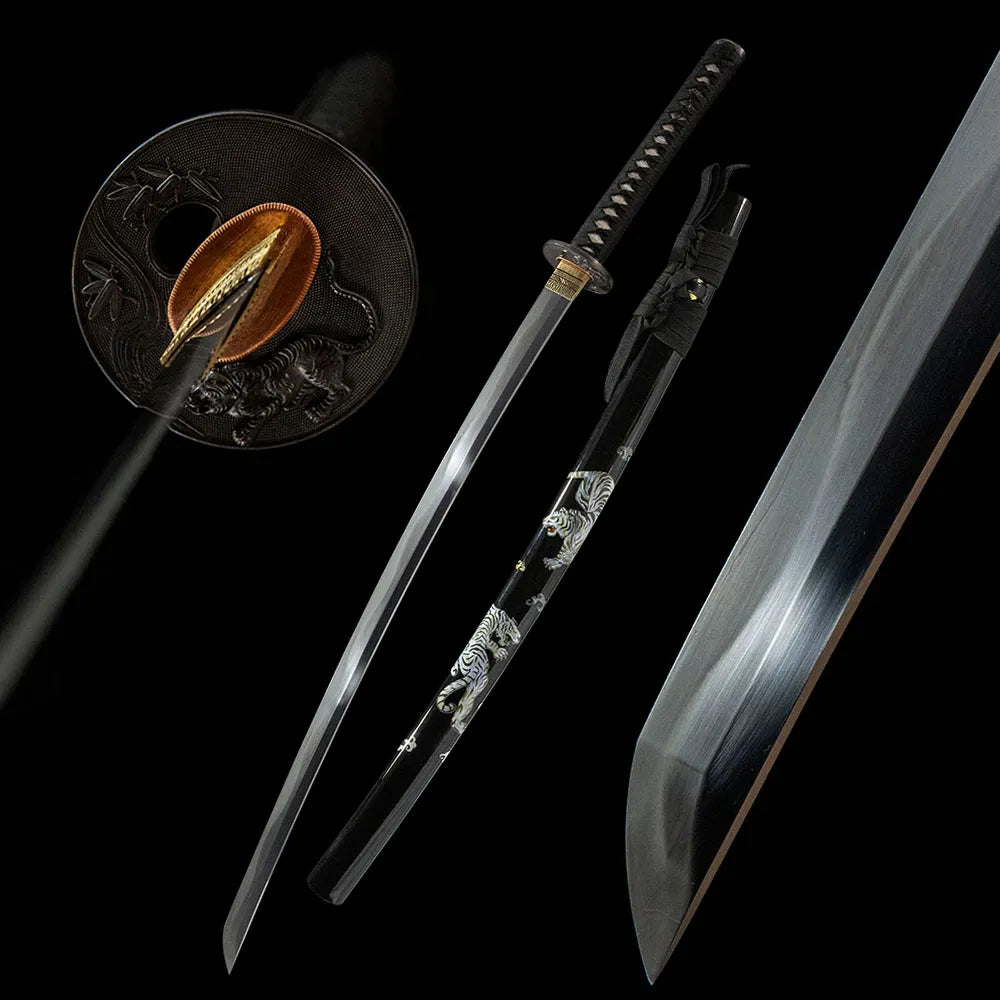
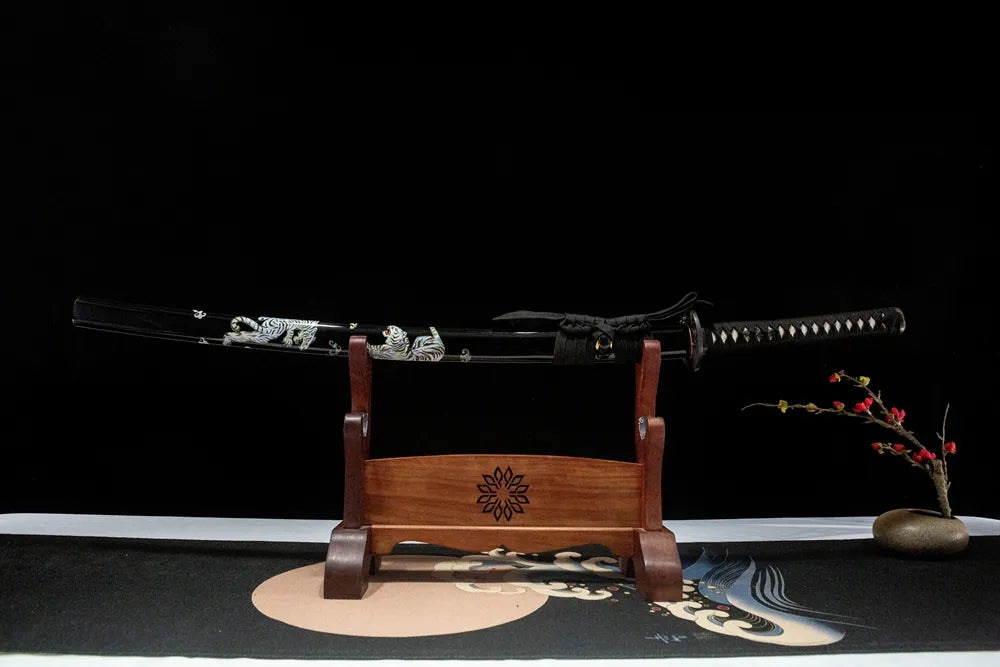
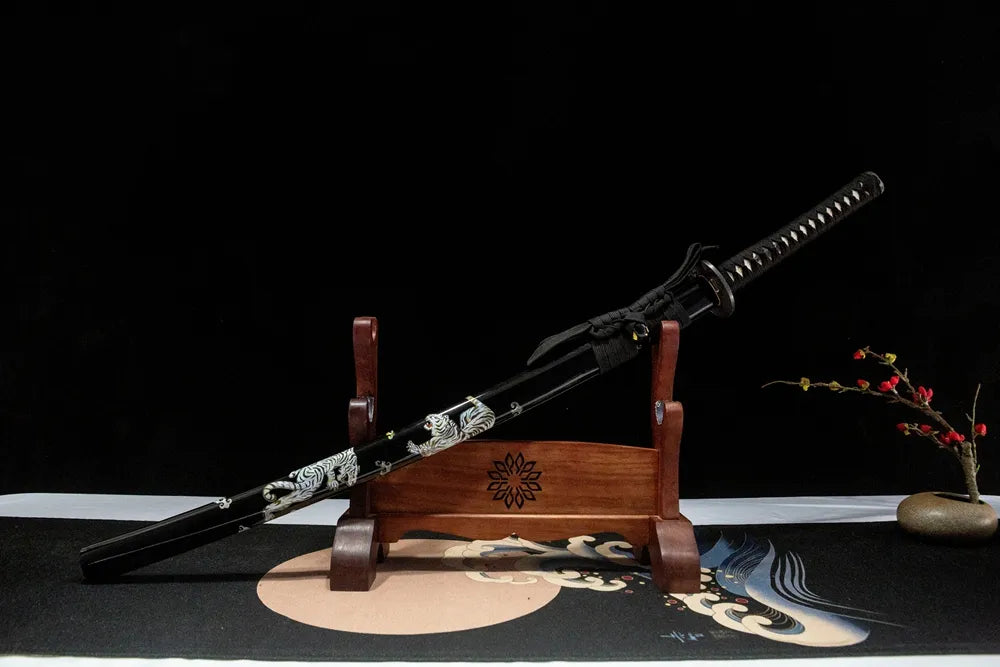
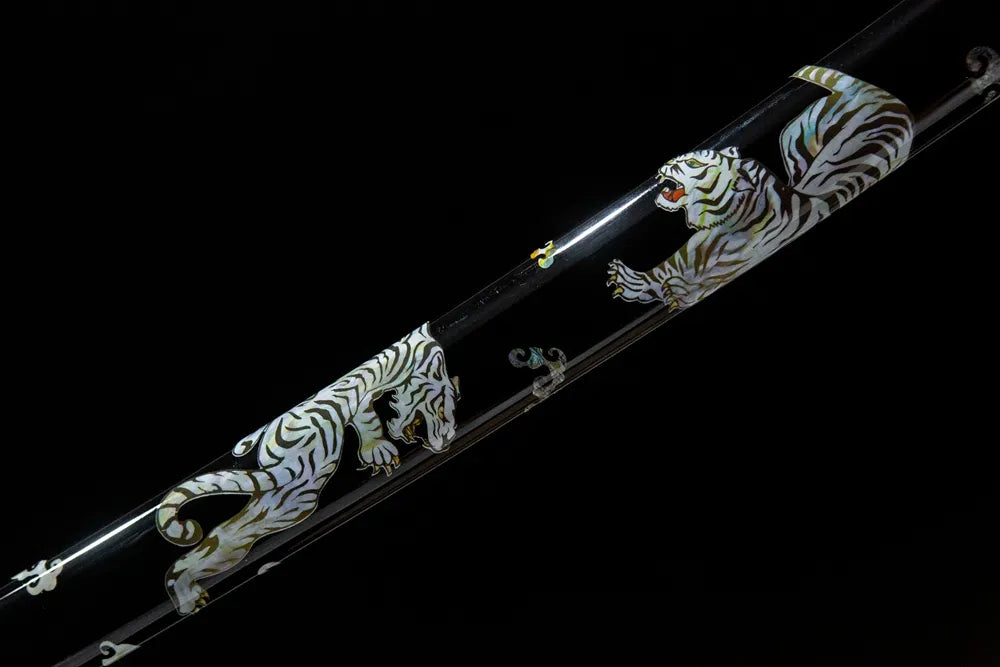
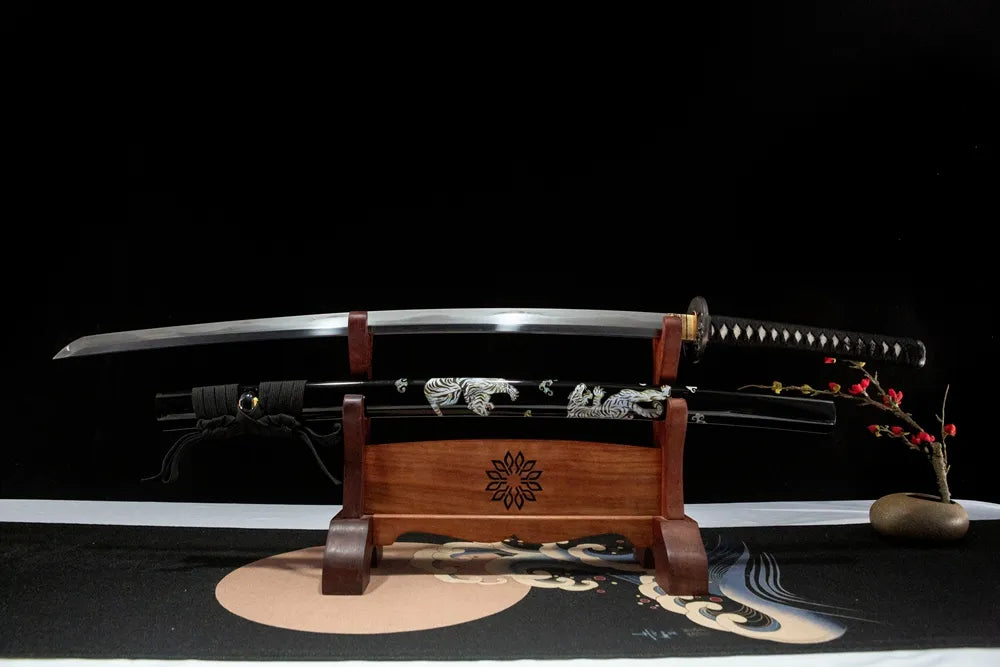
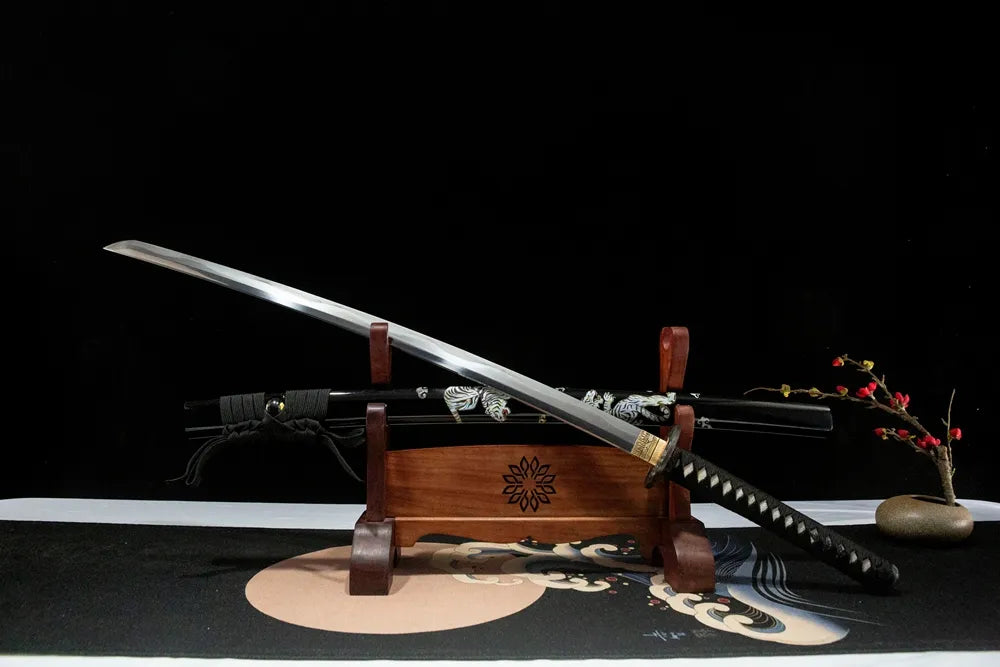
Fierce Tiger Katana | Folded Steel Honsanmai Notare Hamon Real Yokote Copper Fittings Disassemblable Samurai Sword
Product Introduction
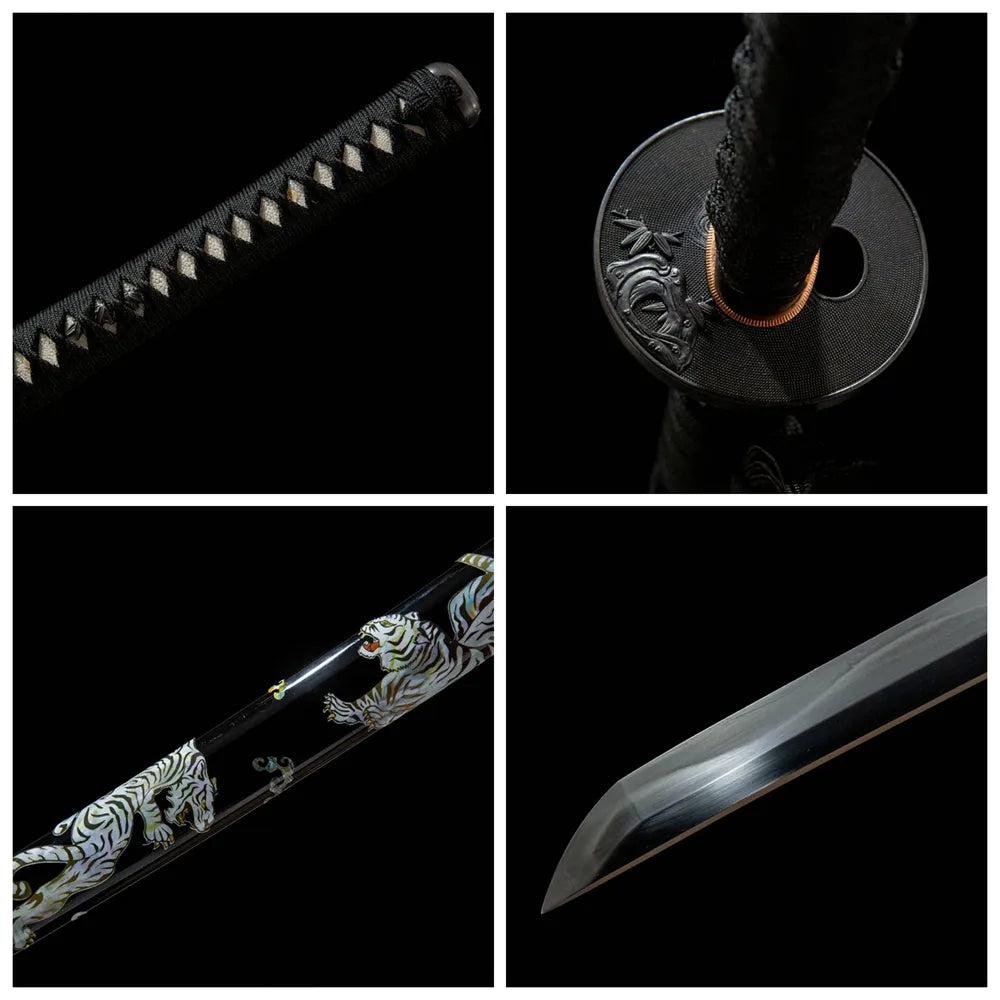
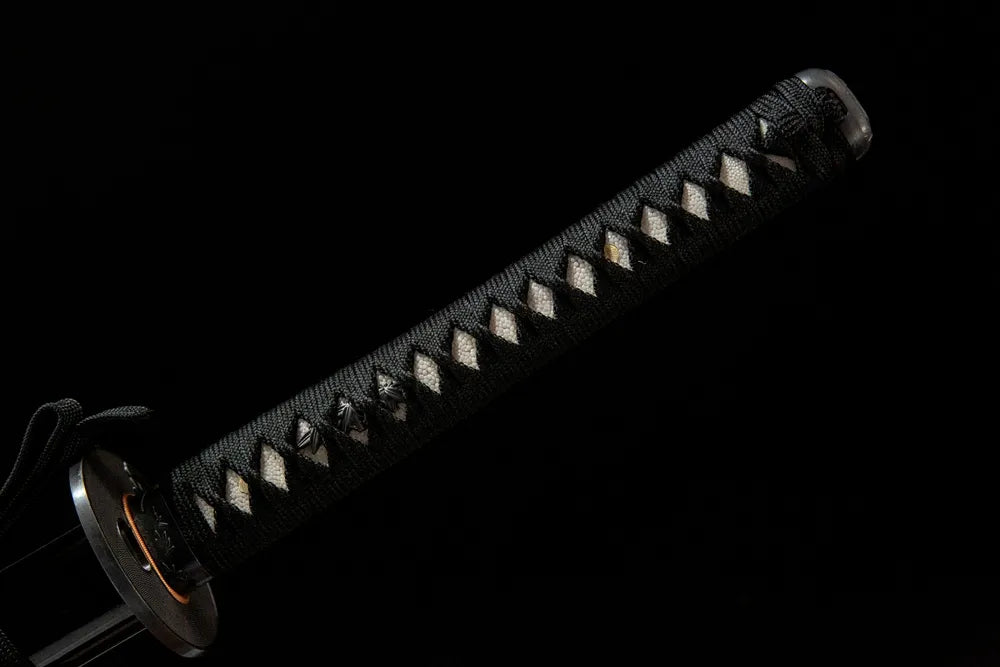
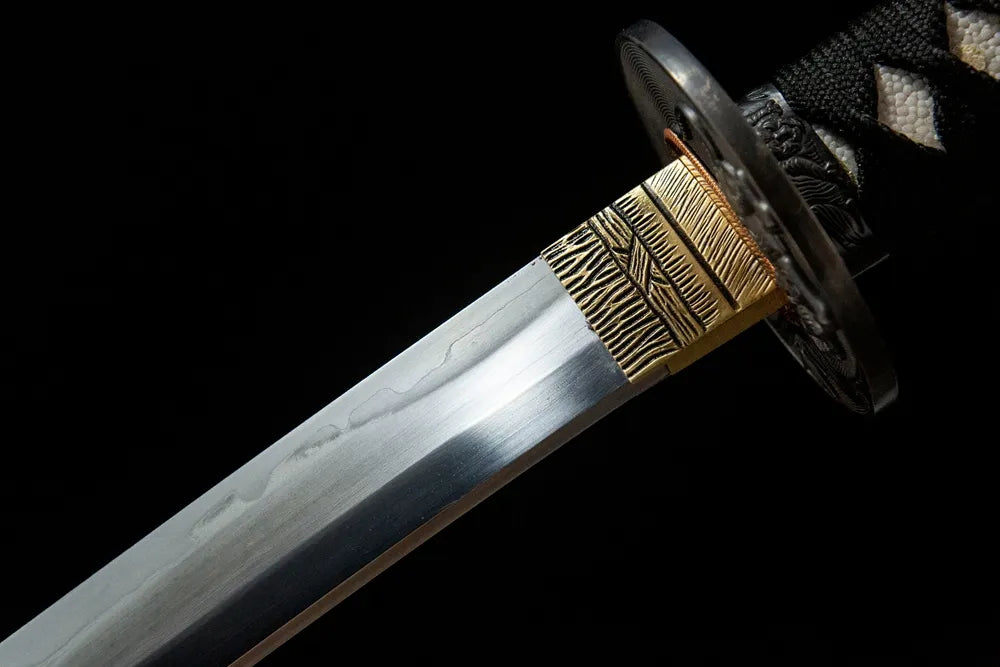
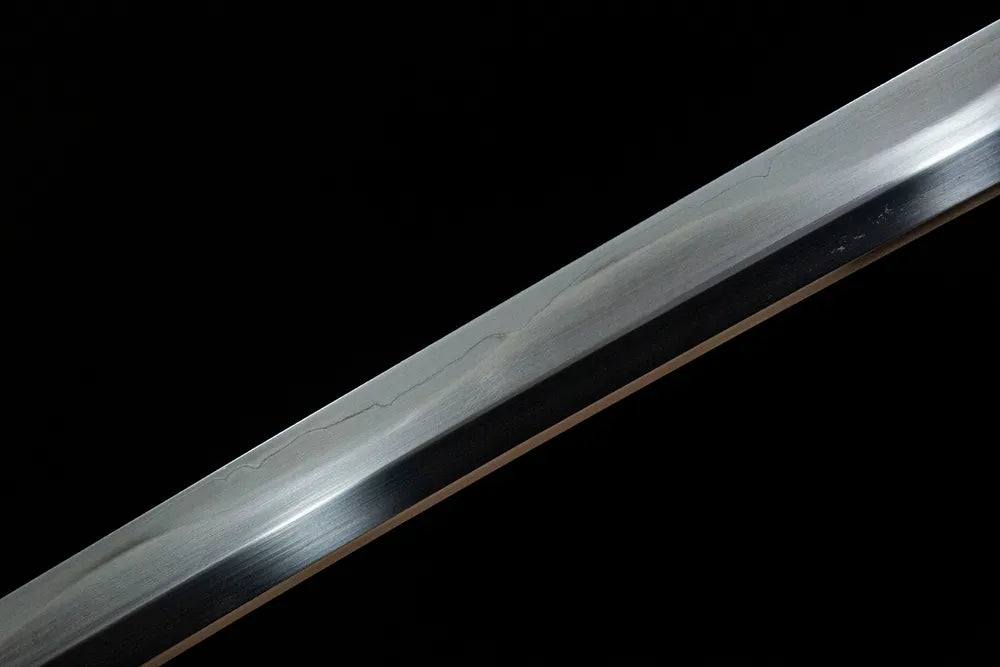
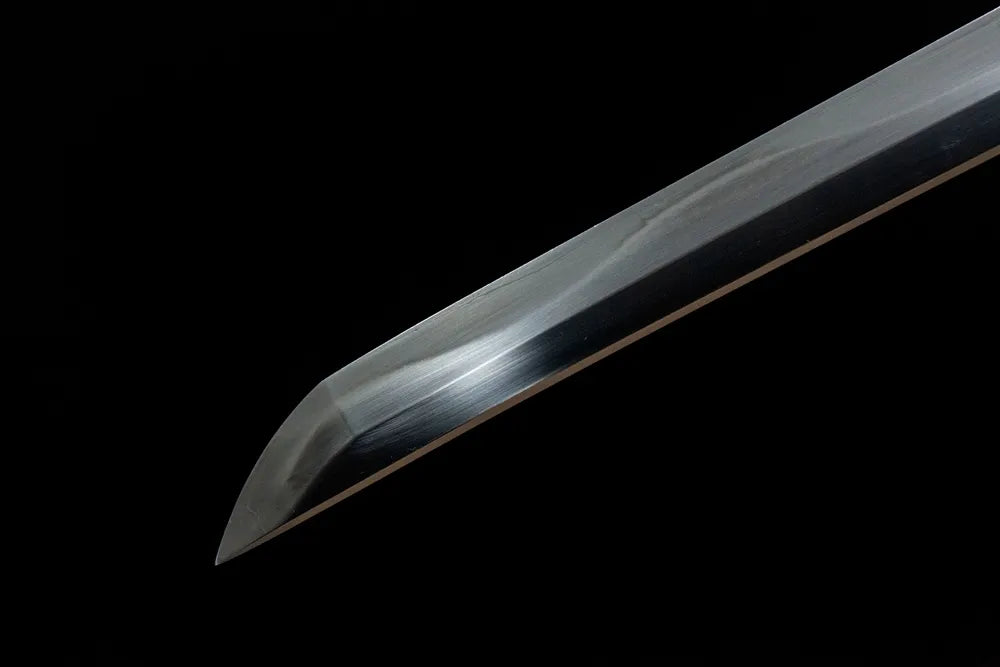
The Fierce Tiger Katana is a mid-high tier functional collectible samurai sword priced at $559.99, built for heavy tameshigiri cutting practice and tiger-theme desktop collection. The blade adopts premium folded steel honsanmai three-layer composite forging structure, combining flexible inner core and hard outer cutting layer. It is treated via traditional Tsuchioki clay temper to generate smooth natural Notare wavy hamon, with real hand-forged yokote and standard shinogizukuri profile, no blood groove solid blade design, full hand grinding process and factory sharpened cutting edge for real cutting performance.
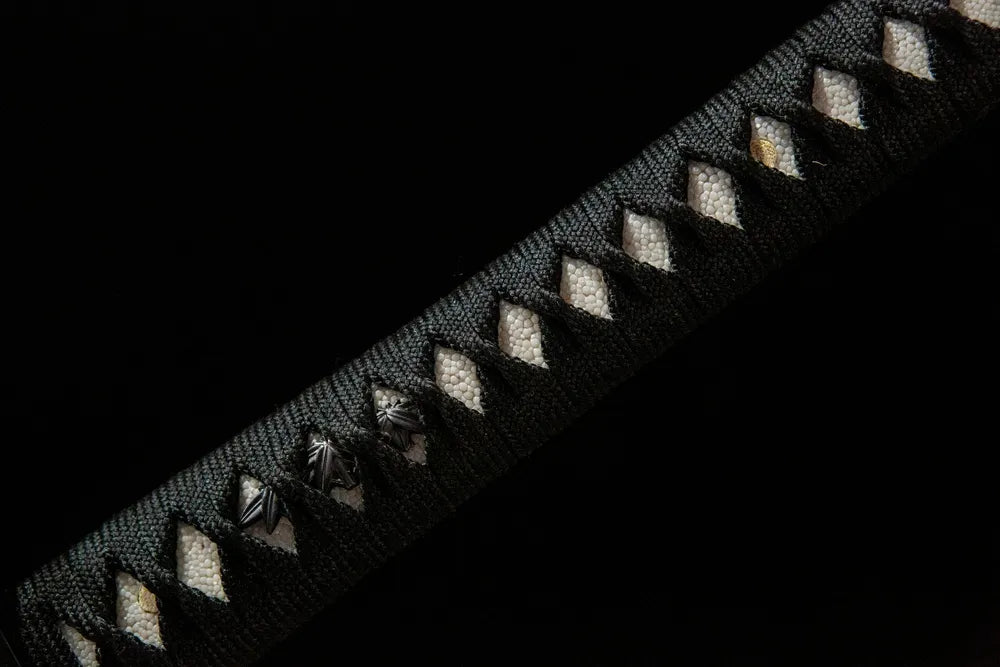
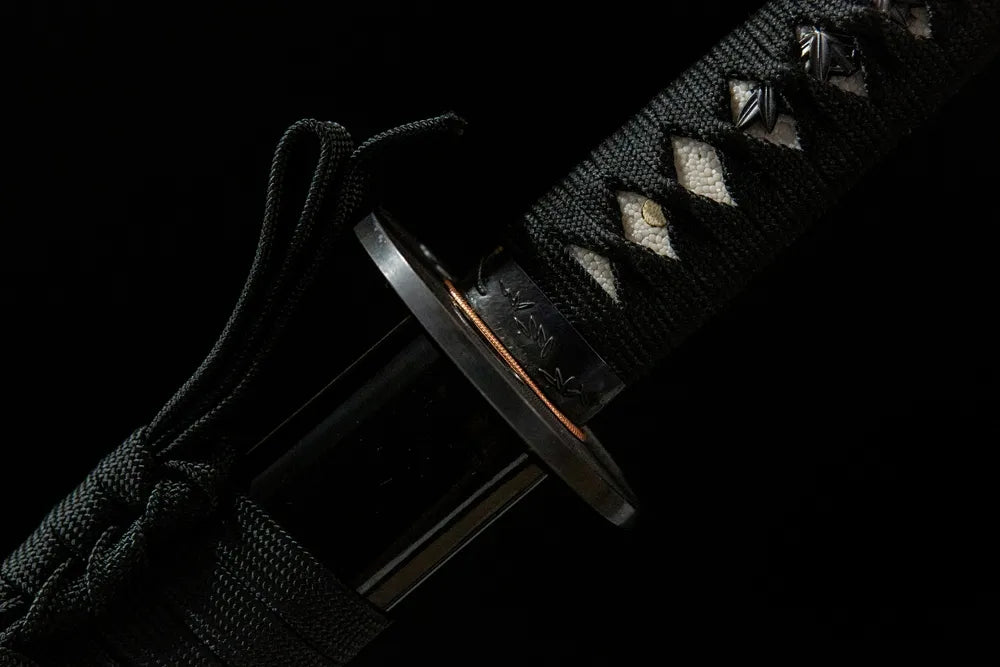
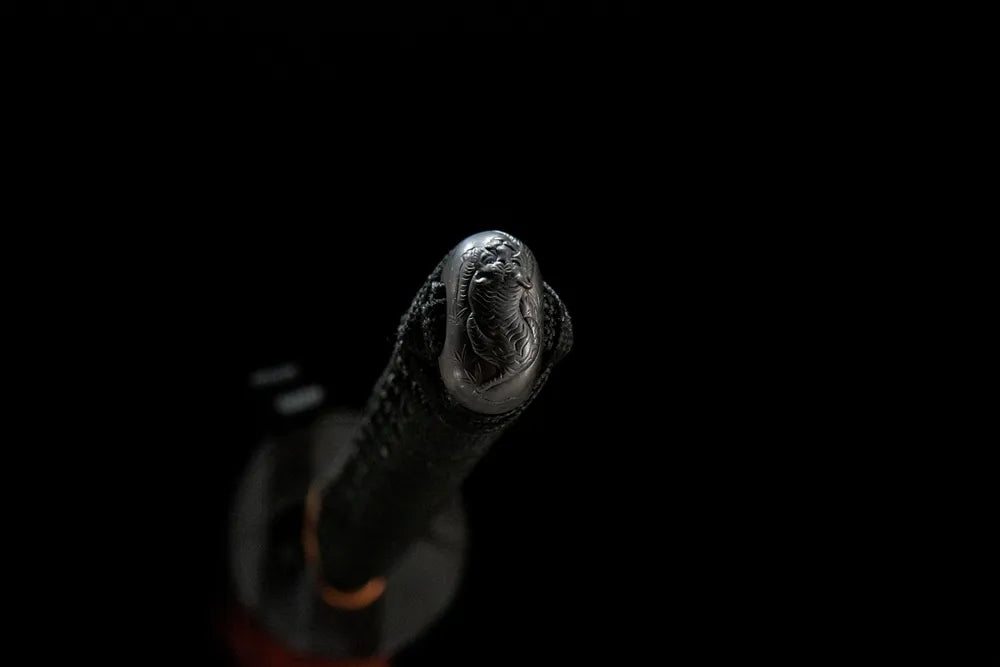
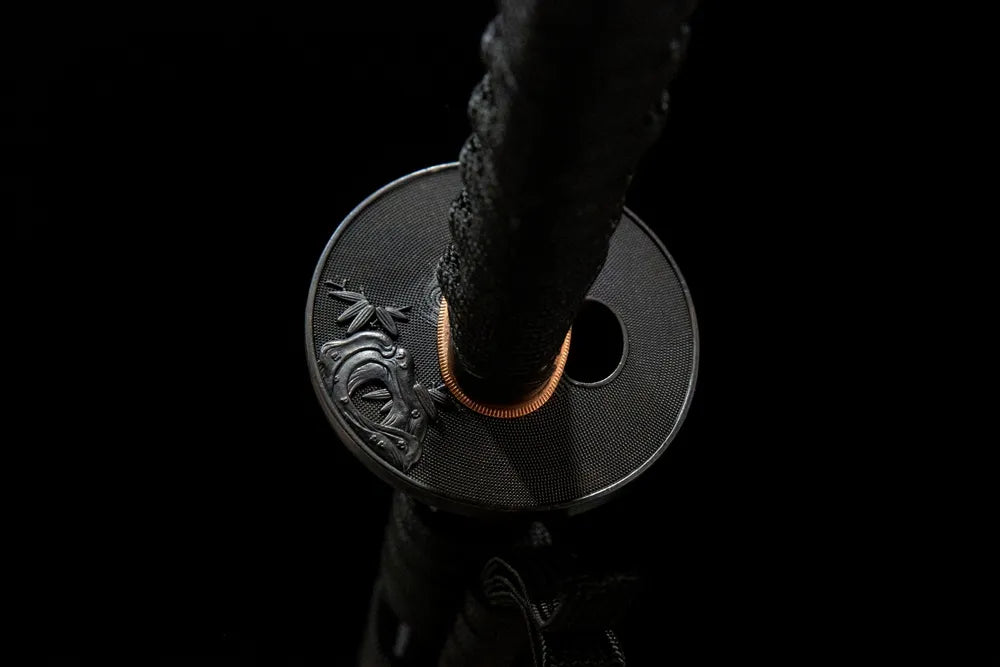
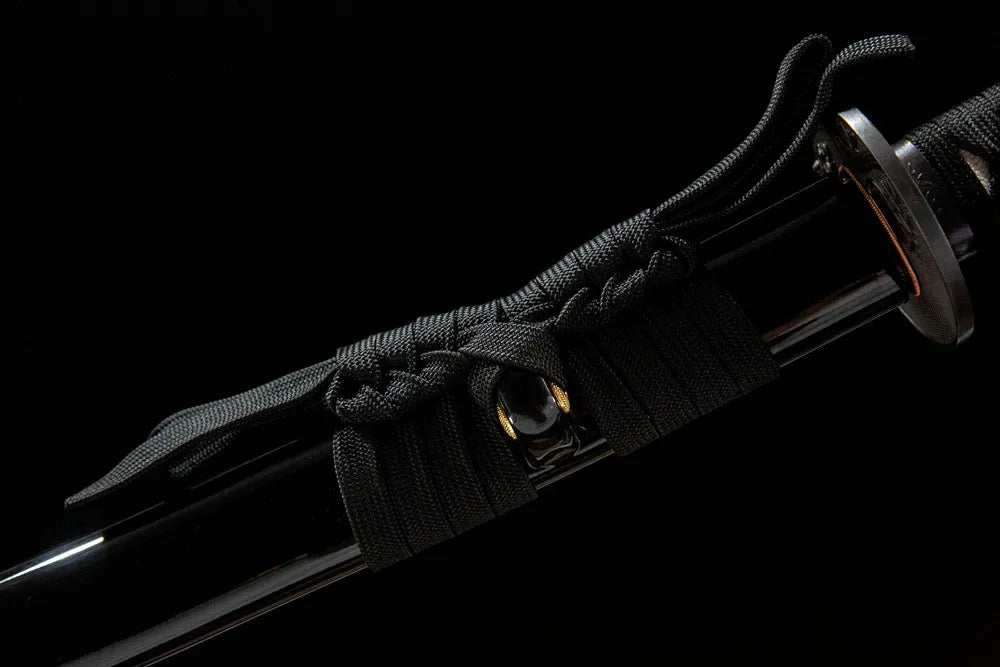
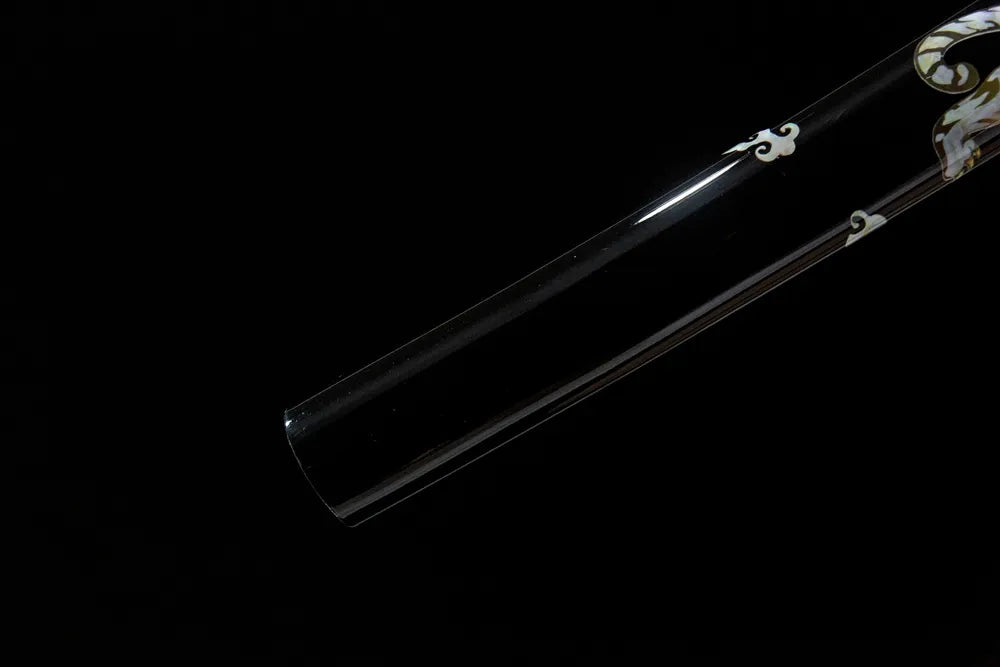
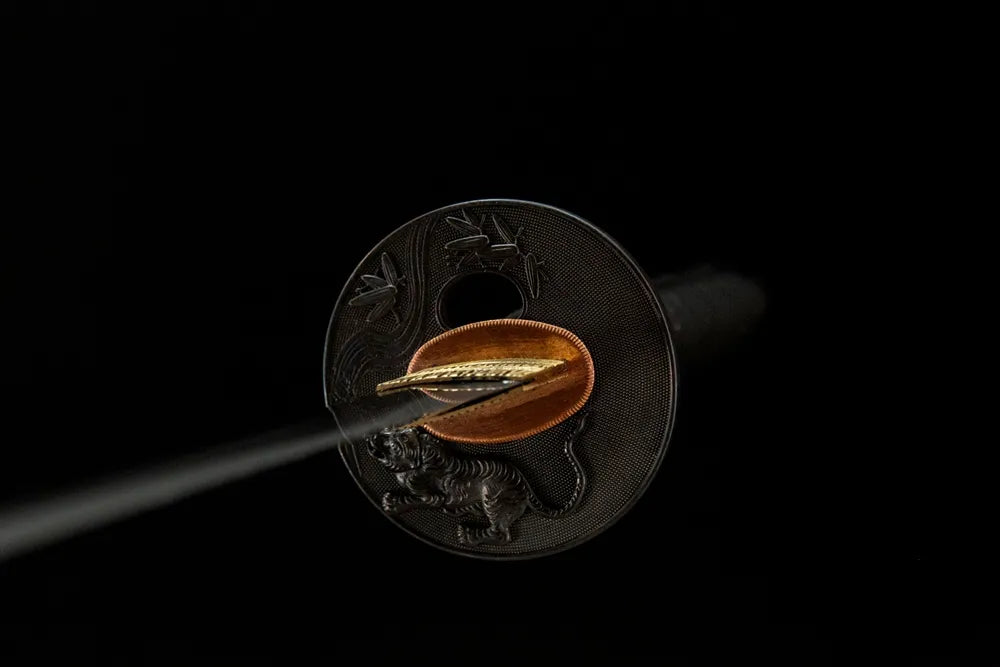
All koshirae hardware including tsuba, fuchi, kashira, menuki, habaki and seppa are uniform solid copper with simple minimalist finish. The Imogata oval tsuka uses genuine ray skin base wrapped with thick moro-hineri cotton silk ito for long-time non-slip holding. The scabbard is made of solid hardwood with plain matte paint, matched heavy woven cotton sageo binding cord. This katana features fully disassemblable full tang secured by two bamboo mekugi pegs, easy to take apart for regular blade oil maintenance. A dedicated katana storage bag is included as free gift; custom blade carving service is available with an extra $30 upgrade fee.
Core Selling Advantages
- Premium folded steel honsanmai three-layer composite construction, balances blade toughness and cutting hardness better than single T10 steel
- Natural Notare gentle wavy hamon, smooth organic temper lines unique on every blade
- Real hand-forged yokote, authentic high-grade blade craft detail for collectors
- No-Hi solid blade design, stable weight for heavy bamboo & tatami tameshigiri cutting
- Complete set solid copper plain fittings, scratch-resistant and durable for long-term use
- Thick cotton sageo cord, robust and not easy to fray during daily carrying
- Fully disassemblable full tang with double bamboo mekugi, convenient regular maintenance
- Optional sharp / unsharpened blade; extra $30 for personalized blade carving patterns & text
Complete Original Product Specifications (All parameters fully retained without omission)
| Parameter Item | Parameter Value |
|---|---|
| Zencho (Total Entire Length) | 103CM |
| Hacho (Blade Length) | 71CM |
| Handle Length | 27CM |
| Sori (Blade Curvature) | 1.7CM |
| Sakikasane (Blade Tip Thickness) | 0.4CM |
| Motokasane (Blade Root Thickness) | 0.7CM |
| Sahihaba (Blade Tip Width) | 2.3CM |
| Motohaba (Blade Root Width) | 3.2CM |
| Kissaki Nagasa (Tip Length) | 3.7CM |
| Mizuheshi Quenching Craft | Tsuchioki Traditional Clay Tempering |
| Hamon Pattern | Notare Gentle Wavy Hamon |
| Blade Material | Folding Steel + T10 Honsanmai Composite |
| Hi Blood Groove | No HI (No Blood Groove) |
| Blade Forge Structure | Honsanmai Three-Layer Composite |
| Blade Treatment | Full Hand Grinding |
| Blade Type | Shinogizukuri |
| Yokote | Real Hand Forged Yokote |
| Disassembled Feature | Yes, Fully Disassemblable |
| Fuchi & Kashira Material | Solid Copper |
| Tsuka Wrap Craft | Moro-hineri-maki Thick Cotton Ito |
| Samekawa Handle Skin | Genuine Ray Skin |
| Mekugiana Peg Holes | Two Double Peg Holes |
| Mekugi Fixing Pegs | Bamboo Pegs |
| Menuki Handle Ornaments | Solid Copper |
| Seppa Blade Washers | Solid Copper |
| Tsuba Hand Guard | Solid Copper |
| Habaki Blade Collar | Solid Copper |
| Saya Scabbard | Solid Wood Plain Paint Finish |
| Sageo Binding Cord | Thick Coarse Cotton Rope |
| Free Gift Accessory | Katana Storage Carry Bag |
| Total Full Set Weight | 1.4KG |
| Desheathing Weight (Blade+Handle) | 1.2KG |
| Blade Sharp Option | Fully Sharpened |
| Exclusive Blade Carving | Not Carving Default; +$30 Custom Carving Upgrade |
| Important Reminder | All handmade swords have minor dimensional & weight errors for reference only |
Frequently Asked Questions
Q: What is the advantage of honsanmai folded composite steel over single T10?
A: Honsanmai three-layer structure uses soft inner shigane core + hard folded T10 outer layer, resists bending during heavy cutting while keeping excellent edge sharpness, far more durable than mono T10 blades for frequent tameshigiri practice.
Q: What’s the difference between Notare hamon and Gunome/Sanbonsugi?
A: Notare features long smooth gentle undulating waves without separated cedar/round peaks, presenting soft elegant visual texture, more suitable for tiger themed medium-heavy training swords.
Q: Why choose thick cotton sageo?
A: Thick coarse cotton cord has strong wear resistance, not easy to fray after long-term tying and carrying, fits the tough fierce tiger positioning of this katana.
Q: What’s the difference between real and fake yokote?
A: Real yokote forms physical thickness transition on blade, a traditional high-end craft mark; fake yokote is only surface carved line with no structural difference.
Q: Can I add custom carving on blade?
A: Yes, extra $30 blade carving service available, customize tiger patterns or unique text, visit Custom Katana for full personalized sword design.
Q: Similar honsanmai composite steel katana reference?
A: You can view our premium crane themed composite sword: Dancing Crane Katana.
Browse all composite steel collectible swords in our full Handmade Katana Collection.
Learn all professional nihonto terminology via our Katana Parts & Terminology Guide.
All Xingyu Sword orders support free US shipping and 30-day hassle-free return policy.
Katana parts names and terminology
Katana parts names and terminology
In the world of Katana, Katana parts names and terminology are very important as most of the Katana parts names use Japanese vocabulary and special nouns. This page can help you understand Katana faster.


A.SAKIKASANE Thickness of blade tip.
B.MOTOKASANE Thickness of the bottom of the blade.
C.KISSAKI NAGASA Length of tip.
D.SAKIHABA Width of blade tip.
E.MUNE The surface of the katana back.
F.MOTOHABA Width of bottom of blade.
G.MUNEMACHI The notch at the top of the blade stem,where the back surface (mune) of the blade begins.
H.HAMACHI A notch at the top of the blade,where the blade begins.
I.FUKURA The radian of the blade in the tip area.
J.BOSHI Blade text in the tip area.
K.YOKOTE The boundary between blade tip and blade body.
L.KOSHINOGI Shinogi-ji above the blade tip area (yokote).
M. MITSUKADO Intersection point of yokote and blade edge of blade body and blade edge of tool tip.
N.SHINOGI MITSUKADO Shinogi,Koshinogi und Yokote linien.
O.SHINOGI-JI Blade surface between shinogi and mune.
P.SHINOGI A chear straight line extending along the longitudinal direction of the blade is the thickest part of the blade (only appearing on katana of shinogi-zakuri) .
Q.JI The surface between shinogi and nioiguchi.
R.HA The edge area of the cutter body is hardened by quenching.
S.HASAKI Asharpened edge.
T.NIOIGUCHI A clear line separating the hardened blade from the softer part of the blade body.
U.ASHI Nioiguchi's extension line in the direction of the blade.
V.HACHO A straight line that determines the length of the blade.
W.SORI Degree of blade bending.
X.ZENCHO The total length of the katana,including the stem (the blade length is only the blade body).
Y.NAKAGO NACASA Length of katana stem.
Z.MAKUGIANA A hole in the shank for receiving Mekugi (bamboo nail for fixing the blade in the handle).
AA,MEI Inscription on the hilt (usually the name of the katana maker,but there are often other information).
Now that you have learned the terminology and proper nouns of katana through this article, you also design customize your ideal katana.
Choose options