
Kashiwaba Guide: The Exclusive Oak-Leaf Fitting Only Found On Traditional Tachi Swords
For anime fans and cultural collectors building a curated set of Japanese samurai sword replicas, countless subtle decorative fittings on traditional nihonto remain easy to overlook—one of the most distinct being kashiwaba. This special ornamental metal piece only appears on the lacquered scabbards of tachi and vintage military gunto swords, acting as an immediate visual marker to separate tachi designs from standard katana mounts. Every detail of its carved shape, placement along the saya, and symbolic meaning ties back to centuries of Japanese botanical folklore and samurai clan traditions, making it a fascinating detail to study for anyone passionate about historical sword craftsmanship. Explore professional tachi koshirae parts terminology for full sword fitting glossary knowledge.

Core Definition: What Is Kashiwaba?
To start with a clear definition, kashiwaba refers to polished metal hardware shaped to mirror the broad, scalloped leaves of the Japanese daimyo oak tree, known locally as kashiwa. Unlike most foliage that sheds entirely before winter, oak leaves cling firmly to branches through cold months and only fall once fresh new buds emerge each spring. This rare natural trait cemented oak as a sacred symbol within Shinto belief systems, standing for lasting family lineage, enduring prosperity, and generational good fortune for samurai bloodlines. Craftsmen integrated this leaf motif into sword fittings to carry those positive symbolic qualities alongside the warrior who carried the tachi as a status and cultural artifact.

Cultural Meaning & Saya Placement of Kashiwaba Fittings
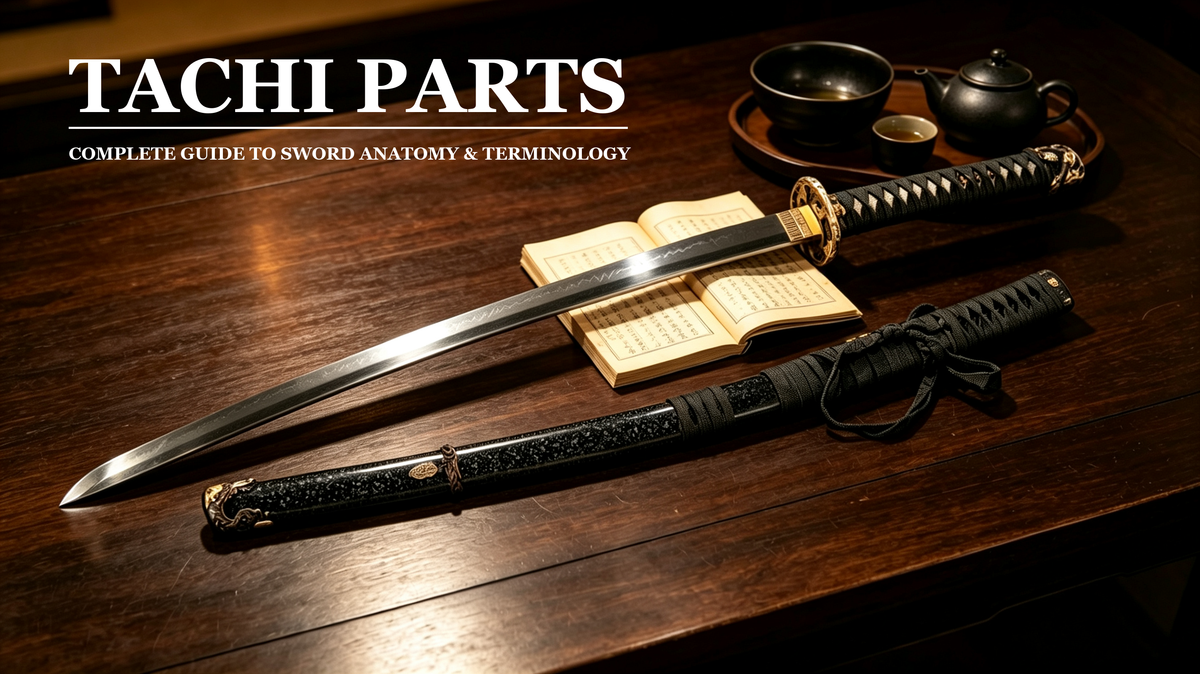
When examining a complete tachi scabbard, the kashiwaba sits between two other core saya metal components, positioned close to the far end cap of the sheath. It serves both decorative and minor structural purposes, reinforcing the thin lacquered wood of the saya while adding delicate carved detail that elevates the overall aesthetic of the full sword mounting set, or koshirae. Learn more about traditional sword ornament inheritance from traditional Japanese nihonto decorative fittings cultural archives. Katana scabbards never include a matching kashiwaba ornament, creating a quick visual check hobbyists can use to tell the two sword styles apart at a glance when browsing display replicas or studying historical artwork from feudal Japan.
Botanical Folklore & Seasonal Japanese Traditions
The botanical inspiration for kashiwaba extends far beyond sword craft and runs through everyday seasonal Japanese customs, most notably seen in kashiwa mochi. These soft sweet rice cakes filled with red bean paste are wrapped in whole dried oak leaves as the signature treat for Tango no Sekku, the Boys’ Festival celebrated each spring. The long-standing tradition of wrapping ceremonial confectionery in kashiwa leaves highlights how deeply oak leaf symbolism is woven into regional culture, offering clear context for why ancient swordsmiths chose to replicate this foliage shape on noble samurai tachi scabbards. Many popular samurai anime series reference this cultural tradition, featuring characters carrying tachi fitted with intricate kashiwaba ornaments to signal high-ranking clan heritage.

Collector’s Guide: Kashiwaba in Modern Tachi Replicas
Modern replica tachi pieces crafted for display and cosplay carry forward the classic kashiwaba design as a nod to authentic historical construction. Collectors often seek out finely detailed kashiwaba metalwork with subtle floral engravings, as these small decorative touches add depth to wall-mounted or tabletop sword displays. Understanding the backstory of kashiwaba also helps enthusiasts appreciate the intentional design differences between tachi and katana, moving past surface-level shape comparisons to grasp the cultural logic that shaped every small fitting on traditional Japanese nihonto. You can learn more via tachi and katana structural cultural differences.
Final Thoughts for Nihonto & Anime Sword Collectors
Whether you are curating a personal collection of samurai sword replicas, researching historical nihonto craftsmanship, or exploring traditional Japanese cultural motifs for anime design reference, kashiwaba stands out as a small yet culturally significant detail often overlooked by beginners. Exclusive to traditional tachi and classic gunto sword mountings, this oak-leaf fitting is far more than simple decoration—it represents generations of folkloric belief, samurai clan symbolism, and intentional ancient design philosophy. Mastering this subtle identification feature allows collectors to accurately distinguish authentic tachi structural characteristics from generic katana-style designs, helping you select more historically accurate replica pieces and deepen your understanding of traditional Japanese sword culture.

Leave a comment
This site is protected by hCaptcha and the hCaptcha Privacy Policy and Terms of Service apply.