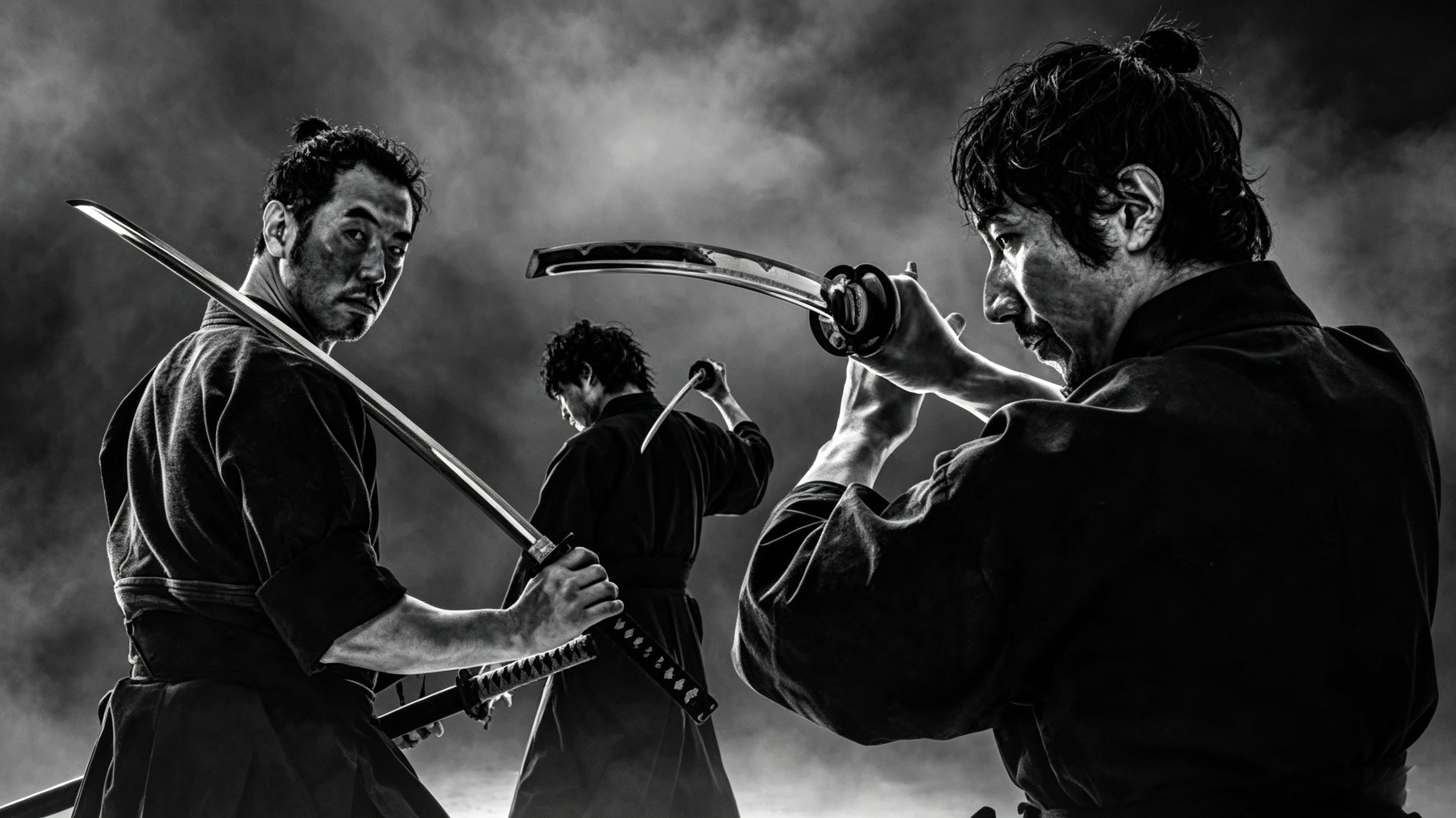
Bushido Ethics & Traditional Japanese Katana Etiquette for Anime Sword Collectors

For modern hobbyists who build collections of anime replica samurai swords, every ornamental katana carries more than eye-catching anime character design. Each decorative blade connects back to Bushido, the quiet moral framework that shaped Japan’s samurai class across hundreds of years. Many new collectors first discover Bushido through beloved anime series like Demon Slayer and One Piece, where samurai characters live by quiet codes of honor woven into every sword-related gesture, and this guide unpacks that cultural foundation alongside gentle, non-combative customs to respectfully display and handle your replica katana at home. Demon Slayer Katanas
The Founding Story of Bushido and Japan’s Samurai Class
Long before the word “Bushido” entered global vocabulary, Japan’s samurai order rose from crumbling imperial systems and shifting local power structures. Early imperial centralized rule relied on nationwide conscription armies, but this system slowly collapsed as wealthy landowners built private armed retinues to guard their rural estates. Local temple complexes and regional clan leaders also formed small fighting bands, creating scattered groups of trained warriors who would evolve into the samurai caste between the 10th and 12th centuries.
These early samurai were not merely hired guards—they owned farmland, managed local regional administration, and bound themselves to strict master-servant loyalty pacts that became the backbone of early samurai identity. Their daily lives centered on horseback archery, disciplined self-restraint, and a quiet personal code of conduct passed verbally through clan lineages, with no single official written rulebook to unify all warriors across Japan. The Japanese Sword Museum Official Archive
Surprisingly, the term “Bushido” did not gain mainstream recognition until the late Meiji era, near the end of the 1800s. The scholar Nitobe Inazuma first published his landmark work explaining Bushido to Western readers in English, and translated versions returned to Japan years later to formalize the term used to describe samurai moral philosophy worldwide. Today, anime creators draw heavily on this historical samurai identity to craft beloved sword-wielding characters, making Bushido an essential cultural backdrop for anyone collecting ornamental anime katana replicas.

The Eight Core Virtues That Define True Bushido
At the heart of Bushido philosophy sit eight balanced guiding principles, each designed to temper a warrior’s skill with compassionate humanity. Unlike common pop culture stereotypes that frame samurai as reckless fighters, these virtues prioritize restraint, respect and moral integrity above all else, and they appear repeatedly in the actions of anime samurai protagonists:
- Righteousness (Gi): The foundational standard of all samurai conduct. A samurai rejects deception, petty trickery and unfair manipulation, choosing honest action even when the outcome brings personal hardship. Many anime heroes uphold this value, refusing to strike down vulnerable opponents or rely on underhanded tactics to win duels.
- Courage (Yuuki): True bravery is not blind recklessness. Bushido distinguishes between meaningless, impulsive risk and purposeful sacrifice made to protect loved ones, uphold honor or defend the vulnerable. Anime characters often demonstrate this by choosing dangerous paths to shield allies instead of seeking glory through pointless conflict.
- Benevolence (Jin): The virtue that prevents samurai culture from devolving into unfeeling brutality. Even warriors trained with blades were expected to show mercy to civilians, spare defeated foes and practice gentle care for people weaker than themselves. This compassionate streak appears constantly in anime samurai arcs, where heroes spare enemies rather than delivering final strikes.
- Respectful Courtesy (Rei): Every formal gesture, from how one holds a sword to how they greet guests, reflects inner reverence for others. Politeness was never a shallow performance for samurai; it was a physical extension of their belief that all people deserve basic dignity, regardless of social standing.
- Honesty (Makoto): Samurai society held strict standards for truthfulness, viewing dishonor as a weight far worse than physical hardship. Lying or breaking a spoken promise stripped a warrior of their standing within their clan, and this reverence for truth shapes how anime samurai characters communicate with friends and rivals alike.
- Loyalty (Chuu): The sacred bond between a samurai and their lord or chosen community. Loyalty in Bushido was not blind obedience to cruelty, but a reciprocal promise to stand beside those who trusted you, support their good intentions and defend their household against harm.
- Honor (Meiyo): A samurai’s personal reputation and self-respect were their most valuable possessions. Actions that stained one’s honor demanded amends, as a life without dignity was seen as empty and unworthy. Anime protagonists frequently risk everything to restore their own honor or clear the names of people they care about. Tokyo National Museum Bushido Cultural Records
- Self-Discipline (Jisei): Samurai were taught to set aside personal greed, comfort and fleeting desires to prioritize their duties to their clan and community. Consistent daily self-control shaped every part of their routine, from how they maintained their swords to how they spoke and acted in public spaces.

The Dual Sides of Bushido: Noble Ideals and Complex Historical Flaws
When exploring Bushido for anime sword collecting, it is vital to view the philosophy as a nuanced historical system rather than a purely romanticized set of heroic rules. Bushido carries both deeply admirable ideals and painful, complicated chapters from Japan’s feudal past, and understanding both sides lets collectors engage with their replica swords thoughtfully and respectfully. Demon Slayer Katanas
On its most uplifting side, Bushido shares striking parallels with European knightly codes of chivalry, creating a moral framework that elevated warriors beyond simple hired fighters. Its focus on kindness, honesty and self-sacrifice created countless historical examples of samurai choosing mercy over power, and these gentle ideals remain the core inspiration for most heroic anime samurai characters audiences love today. The code also discouraged pointless death, teaching warriors that sacrifice only held meaning if it protected others or preserved something valuable to their community.
Yet Bushido’s historical legacy also includes harsh, unforgiving customs rooted in rigid class hierarchy and extreme views of personal honor. The ritual of seppuku, framed as an ultimate act of loyal atonement, represented a violent extreme of the honor code that demanded irreversible physical sacrifice over social embarrassment. Feudal clan conflicts fueled brutal infighting between samurai families, with rival lords eliminating competitors to seize land and authority, and minor perceived slights could lead to severe punishment under strict Bushido standards. In later modern history, selective interpretation of Bushido’s loyalty principles fueled destructive wartime mindsets that twisted the original compassionate core of the samurai code beyond its original intent.
For modern replica sword collectors, acknowledging this duality creates a balanced perspective: you can appreciate the beautiful, honorable cultural ideas that inspired anime’s samurai stories while recognizing the harmful excesses that came from rigid, uncompromising historical enforcement of Bushido rules. This balanced view lets you engage with your ornamental katana as a piece of creative art and cultural storytelling, rather than glorifying outdated harsh feudal practices.
Gentle Traditional Etiquette for Displaying and Handling Your Anime Replica Katana
The physical customs surrounding samurai swords grow directly from Bushido’s core value of respect, and these rules translate perfectly to caring for ornamental anime replica blades at home. Every tradition below focuses on safe, non-combative presentation and gentle handling, with no focus on blade cutting functionality or combat use:
Traditional Sword Rack Display Rules for Tachi and Katana Replicas
Two primary samurai sword styles follow separate display customs on wooden sword racks, each rooted in old feudal Japanese hospitality norms: Kyoto Samurai Museum Sword Etiquette Guide
- Tachi (Long Mounted Swords): When resting on a dedicated display rack, tachi replicas sit with the tip pointing upward, the blade’s cutting edge turned inward toward the rack’s back panel, and the wrapped tsuka positioned toward the rack’s bottom rail. This layout honors the original riding use of historical tachi, worn slung low on samurai’s hips during horseback travel.
- Katana and Wakizashi Matching Sets: For the standard paired samurai sword set seen in most anime series, place the smaller wakizashi replica on the upper rack tier and the full-length katana on the lower tier. The blade’s decorative edge faces upward, and the wrapped tsuka points to the viewer’s left when guests stand before the rack. This left-facing tsuka signals a peaceful, welcoming atmosphere—samurai would position their swords this way to show they held no immediate hostile intent toward visiting guests. If the tsuka faced right, the gesture carried a subtle message of readiness to draw the blade, a posture reserved only for tense, guarded moments.
For casual temporary display while seated indoors, rest your replica katana to your right side with the tsuka turned toward your own body. This gentle positioning creates a subtle personal barrier of protection without threatening anyone nearby, following old samurai customs for sitting with guests in traditional tatami rooms.

Proper Historical Sword Wearing Customs
All standard samurai sidearm replicas, from anime nichirin blades to classic katana, follow one core wearing tradition: they fasten to the left hip, allowing the right hand to wrap around the tsuka for smooth drawing without tangling fabric. The only rare historical exception applies to short auxiliary blades carried during mounted horse battles, which samurai would tuck diagonally into their rear waist sash to make downward drawing easier during close-range horseback encounters with opponents. This riding custom rarely appears in modern anime sword replica designs, so home collectors can safely stick to left-side hip mounting for all display purposes.
Gentle Handling and Passing Etiquette for Replica Blades
Bushido’s reverence for samurai swords translates to quiet, careful handling rules ideal for ornamental anime collectibles, focused on preserving the artwork and showing cultural respect:
- Never point the decorative blade tip toward another person, even during casual playful posing for photos. This gesture was seen as deeply disrespectful in feudal samurai culture, a rule collectors can follow to honor the sword’s cultural background.
- When handing a replica katana to another collector, extend the wrapped tsuka toward them first. Wait until their hand fully wraps around the tsuka grip before releasing your hold on the blade’s scabbard, creating a smooth, secure transfer without exposing the decorative metal surface to accidental bumps.
- Avoid touching the blade’s polished decorative surface with bare fingertips. Natural skin oils can leave dull marks on replica metal finishes over time, mirroring the historical concern of samurai who guarded against rust on functional blades by limiting bare hand contact. If you need to wipe the blade surface, use soft lint-free paper cloths designed for collectible metal decor.
- Refrain from eating, drinking or speaking too closely over your displayed replica swords. Spilled liquids, stray food crumbs and airborne saliva mist can stain delicate tsuka wrapping, lacquered saya scabbards and polished metal surfaces, matching the samurai habit of keeping their blades separate from messy daily meal spaces.
- For close visual appreciation of detailed blade artwork, use thin soft paper to grip the blade’s edge lightly instead of bare skin, to preserve the replica’s factory finish for long-term display on shelves or wall racks.
Expanding Your Anime Samurai Sword Cultural Knowledge
If you enjoy exploring the intersection of Bushido culture and anime replica sword collecting, you can continue learning more about the full evolution of samurai blade designs across Japanese history. Different eras produced distinct blade lengths, wrapping styles and scabbard art that anime creators reference when crafting iconic character swords, from Demon Slayer’s unique nichirin color-coded blades to One Piece’s three-sword style replica katana set. Studying the historical differences between tachi, katana and wakizashi also helps collectors identify subtle cultural details embedded in their favorite anime character’s ornamental blades, deepening appreciation for both the artwork and the ancient Bushido traditions that inspired these beloved fictional samurai heroes. Osaka Castle Museum Samurai Weapon Database