
Tachi vs Katana: Key Differences Between Two Iconic Nihonto Swords

Tachi and katana stand as two of the most celebrated varieties within the nihonto family, the traditional swords crafted in Japan over hundreds of years. To casual observers and many anime fans, the two blades can look remarkably similar at first glance. Their shared curved silhouette creates frequent confusion, but their origins, intended users and long-standing wearing traditions set them worlds apart. nihonto family
The tachi emerged much earlier, rising to prominence during the late Heian and Kamakura periods. In these eras, samurai fought primarily on horseback. Mounted warriors needed a sword suited for strikes delivered from above while riding. Early tachi featured longer, gracefully curved blades built to accommodate this style of combat. Most importantly, the tachi was designed to hang from cords suspended off the warrior’s waist armor. When worn in this historic fashion, the cutting edge faces downward. This orientation served practical purposes for riders, allowing smooth drawing and sweeping attacks from horseback. ancient double-edged nihonto forms Japanese Sword Museum
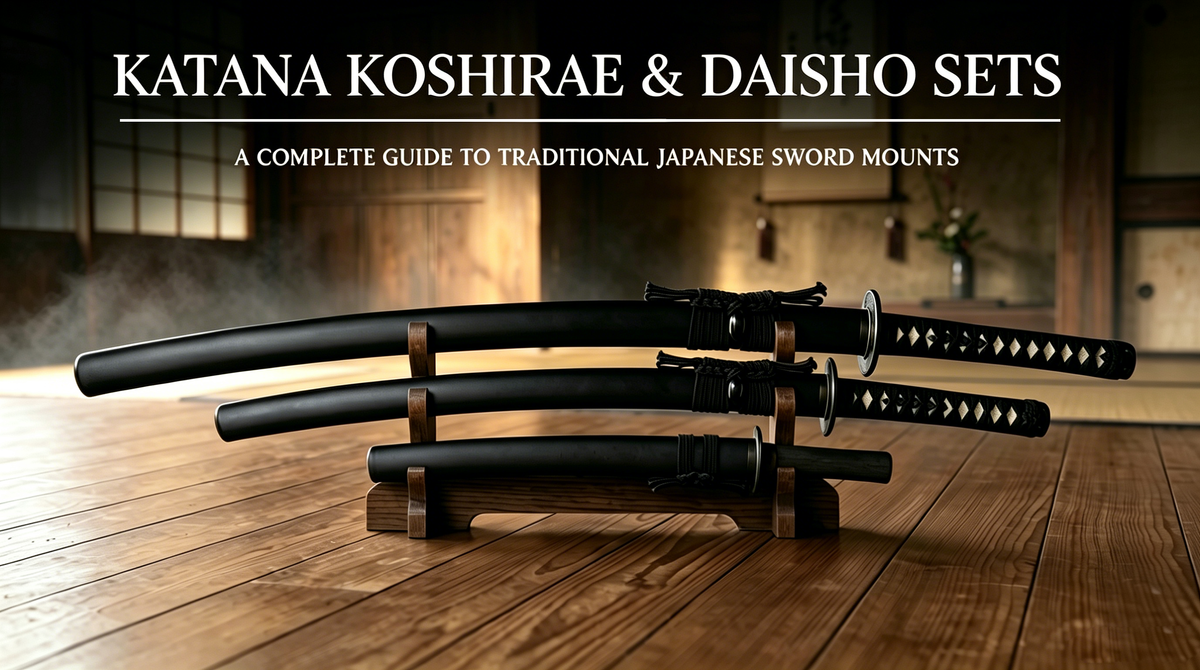
As warfare in Japan shifted across centuries, battle tactics slowly changed. By the Muromachi and later Edo periods, foot combat grew far more common among samurai. This shift paved the way for the rise of the katana. The katana was created to be tucked directly into the wide fabric belt known as an obi. When secured this way, its cutting edge faces upward. This simple change in carrying style allowed foot samurai to draw the blade rapidly and launch sharp, upward-cutting strikes against opponents standing on the ground. traditional katana mounting fittings & daisho sets
Beyond carrying customs, subtle differences in blade construction separate the two weapons. Classic tachi blades tend to have a longer overall length and a gentler curve distributed evenly along the whole blade. Traditional katana usually carry more concentrated curve closer to the tip, supporting fast close-quarters movements. Another easy-to-overlook detail is the mounting hardware. Fittings for a tachi are made to work with hanging suspension cords, while katana fittings are engineered to stay stable when tucked inside clothing.
It is worth noting that collectors and historians often mention blade signature placement as another distinguishing marker. Swordsmiths would inscribe their signature on different sides of the tang depending on whether the finished blade was meant to become a tachi or katana. Even today, this detail helps specialists properly identify antique nihonto that may have had their outer fittings replaced over generations.

Popular anime and fantasy media frequently feature both sword types, though many shows simplify their history for storytelling. Characters often carry blades without following authentic wearing traditions. For modern hobbyists and anime collectors who display replica nihonto, understanding these original customs adds deeper appreciation for the culture behind each piece. Recognizing whether a blade represents tachi or katana design lets enthusiasts display and interpret their collection with greater historical accuracy. anime replica japanese swords
Over time, some tachi blades were shortened and refitted to be worn as katana, a common practice in feudal Japan as battlefield needs evolved. This practice means some surviving antique blades exist with mixed heritage, further highlighting how flexible nihonto craftsmanship could be to match the needs of each era. Still, the core cultural rules for each sword remained clear in samurai society.
For modern collectors exploring Japanese sword culture, the most straightforward starting point to tell tachi and katana apart remains their intended wearing method. A suspended blade with edge down follows tachi tradition, while a blade tucked into an obi with edge up follows katana custom. This single rule grew from hundreds of years of samurai history, connecting every replica and historical blade back to the world of medieval Japanese warriors.

Leave a comment
This site is protected by hCaptcha and the hCaptcha Privacy Policy and Terms of Service apply.