
Does the Legendary Sakabato Reverse Blade Katana From Rurouni Kenshin Truly Exist?

Many sword enthusiasts and anime fans first learn about the reverse blade katana, also known as sakabato, through the iconic character Himura Kenshin from Rurouni Kenshin. This distinctive sword design has captured widespread attention across global collector communities, thanks to the vivid portrayal in the popular series. Unlike traditional nihonto family, the blade’s cutting edge sits on the inner curve of the metal, while the outer edge remains rounded. Within the story, this special construction fits Kenshin’s vow to abandon killing, making it a powerful symbol of redemption and peace. It is easy for audiences to assume such a sword was widely used throughout Japanese feudal history, yet historical records paint a far different picture.
When exploring authentic Japanese archaeological findings, researchers have uncovered a small ancient reverse-edged blade excavated in Shirai Town, Chiba Prefecture. This artifact dates back hundreds of years, confirming that reverse-edge blade structures were not purely modern fictional creations. However, important details set this relic apart from the full-length sakabato seen in anime. The recovered piece is a compact short blade, not a standard-sized katana. Craftsmanship analysis shows the blade was not constructed for consistent functional use in formal duels. It stands as a rare archaeological oddity rather than evidence of a mass-produced historical sword category. Japanese Sword Museum

Standard katana feature the cutting edge along the outward curve of the blade, a design refined over centuries for balanced handling during ceremonial forms and historical combat contexts. The reversed edge layout of the anime sakabato alters the entire dynamic of blade movement. When drawing and swinging the sword, the inward edge limits effective contact during sweeping motions. Even skilled practitioners would struggle to achieve the smooth, controlled movements demonstrated in the animated storytelling. This fundamental mechanical difference explains why traditional Japanese swordsmiths never adopted this layout for mainstream nihonto models.
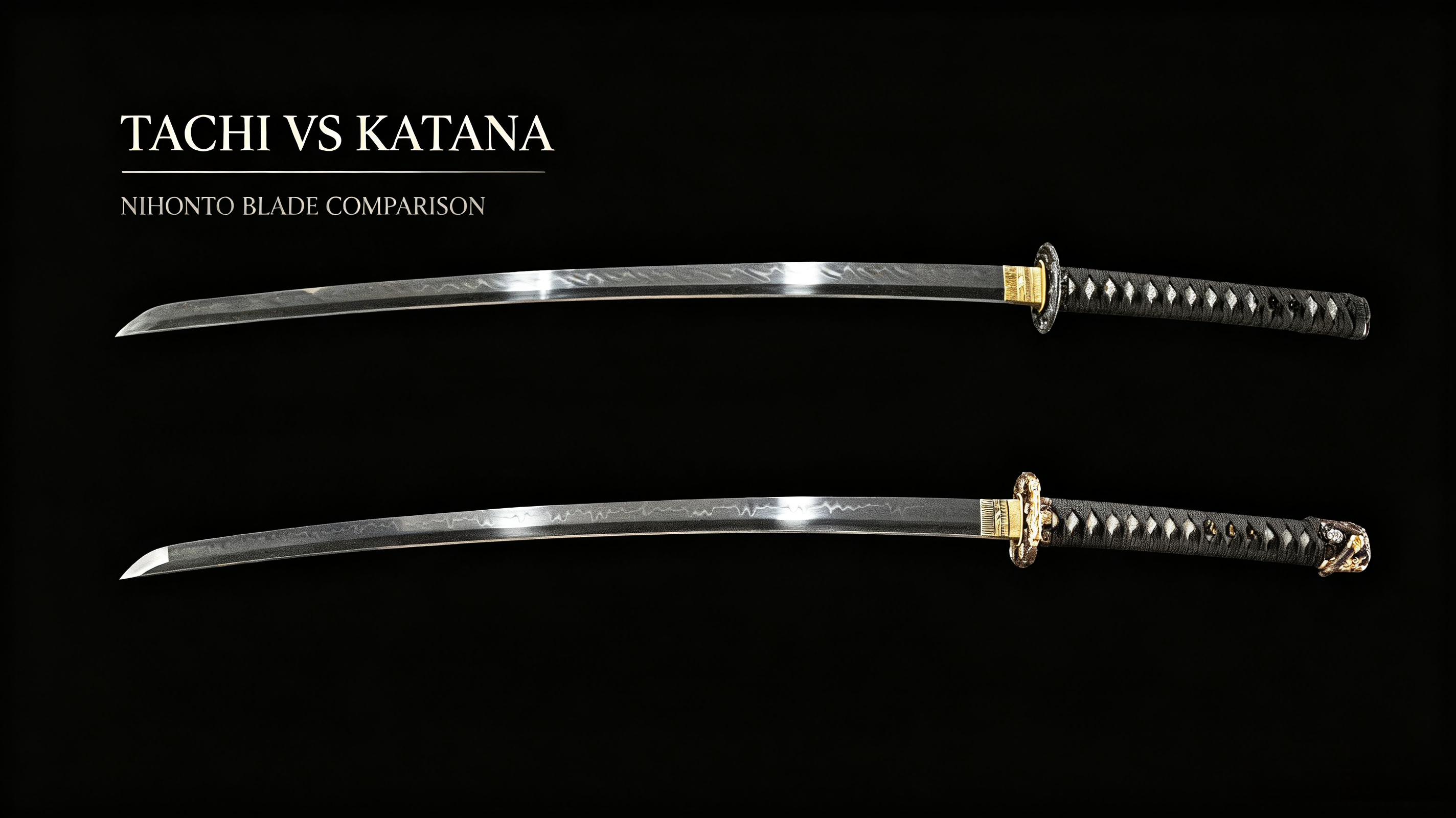
While full-length historical sakabato cannot be verified in surviving museum collections, modern master swordsmiths have brought this legendary design to life for cultural display. Licensed handcrafted replicas of Kenshin’s reverse blade katana exist today, created to honor the lasting influence of Rurouni Kenshin. These contemporary works follow the visual specifications from the series and are intended exclusively for cultural exhibition, anime display, private collection and Tachi and Katana historical differences. They serve as a bridge connecting modern pop culture and traditional Japanese sword craft, allowing fans to interact with a design once confined to fictional storytelling.

The boundary between anime fantasy and real sword history creates constant discussion within collector circles. It is important to separate artistic creative liberty from verifiable historical artifacts. Ancient Japanese society hosted a huge variety of blade forms, but the functional full-size reverse blade katana remains a beloved invention of modern media. The sakabato’s enduring popularity highlights how anime continues to introduce new generations to the rich culture surrounding Japanese nihonto, inspiring deeper curiosity about authentic sword heritage from the Edo period and earlier. Tachi vs Katana historical comparison
For collectors drawn to this famous design, modern hand-finished replicas offer a way to own a piece of pop culture sword history. These carefully constructed reproductions follow classic traditional katana mounting fittings & daisho sets shaping techniques while matching the unique reverse edge silhouette. As decorative display pieces, they celebrate the legacy of Himura Kenshin and continue to spark conversations about where fiction meets the documented history of Japanese bladed craft.


Leave a comment
This site is protected by hCaptcha and the hCaptcha Privacy Policy and Terms of Service apply.