
Wakizashi-Short katana

The term wakizashi translates literally to “side-inserted sword”, referencing its placement tucked beside the waist obi belt of samurai and civilians across feudal Japan. Widely called the short katana by Western collectors, it forms an independent core branch of Japanese bladed weaponry, occupying a unique middle tier between tiny tanto daggers and full-length combat katana / tachi long swords. Its developmental timeline stretches over 600 years of Japanese feudal history: early prototype variants emerged late in the Kamakura Period, took definite shape throughout the Muromachi Period (1338–1573), received standardized sizing and formal legal status under Toyotomi Hideyoshi’s Azuchi-Momoyama governance, and reached peak cultural saturation across the stable, long-running Edo Shogunate era (1603–1868). Unlike ceremonial-only ornamental blades, every iteration of wakizashi was engineered for practical close-quarters defense and auxiliary battlefield combat, with its proportions, weight and curvature repeatedly refined to navigate cramped indoor rooms, narrow alleyways, ship cabins and tight mountain terrain where oversized long swords became unwieldy and ineffective.
New collectors and history researchers frequently confuse wakizashi with other Japanese short blades, misjudging its historical positioning and functional boundaries. You can browse peer-reviewed academic historical records focused on this iconic short sword via Wakizashi historical weapon archives. Unlike heavy cavalry-focused tachi forged for mounted slash attacks, the wakizashi was born from Japan’s military shift toward infantry melee warfare, filling a critical tactical gap that katana and tachi could not cover in confined, short-distance fight scenarios. Even subtle distinctions separate it from similar short blades like kodachi, which featured deeper curvature and predated standardized wakizashi sizing systems entirely.
Core Etymology & Three Official Wakizashi Length Classifications
Japanese swordsmiths and historians categorize all short blades under the wakizashi umbrella strictly by nagasa (measured blade length from hamachi to kissaki), with hard historical measurement boundaries codified by Edo-period sword authorities: 1. Ko-Wakizashi (Small Wakizashi): Blade length below 45.54cm (1 shaku 5 sun). This compact variant was the only short sword legally permitted for merchant, artisan and civilian travel self-defense during Edo-era sword bans, lightweight for single-handed quick draws inside homes and market districts. 2. Standard Chū-Wakizashi (Medium Wakizashi): Blade range 45.54cm to 54.5cm, the most mass-produced and widely circulated model. This balanced size served dual purposes: backup battlefield blade for samurai and daily carry short sword for low-ranking retainers, forming the standard matching piece of most daisho sets. 3. Ō-Wakizashi (Large Wakizashi): Blade length 54.5cm to 60.6cm, approaching the minimum length of a formal katana. Edo-period municipal police (Dōshin) favored Ō-Wakizashi for crowd control and public peacekeeping; its extended cutting surface delivered greater stopping power without crossing the legal threshold reserved exclusively for samurai long swords.
Any blade measuring exactly 60cm or longer officially falls under katana classification, while blades shorter than 30cm are legally defined as tanto daggers—this rigid length split eliminated historical ambiguity between Japanese short blade families and shaped how different social classes could carry edged weapons across 260 years of Edo rule.
Core Practical & Cultural Functions of the Wakizashi
1. Battlefield Emergency Backup Weapon
The wakizashi’s primary martial purpose was acting as a fail-safe secondary blade for samurai combatants. In open-field skirmishes, samurai relied on their primary katana for dominant long-range slashing strikes, but if the long sword’s blade snapped, the tsuka grip broke, or the weapon was seized by enemy combatants, the easily-accessible wakizashi at their waist became their sole survival tool. Unlike heavy long swords, its compact frame allowed instant single-handed drawing to counter close grappling, armor piercing and surprise ambushes when two-handed katana techniques became impossible to deploy.
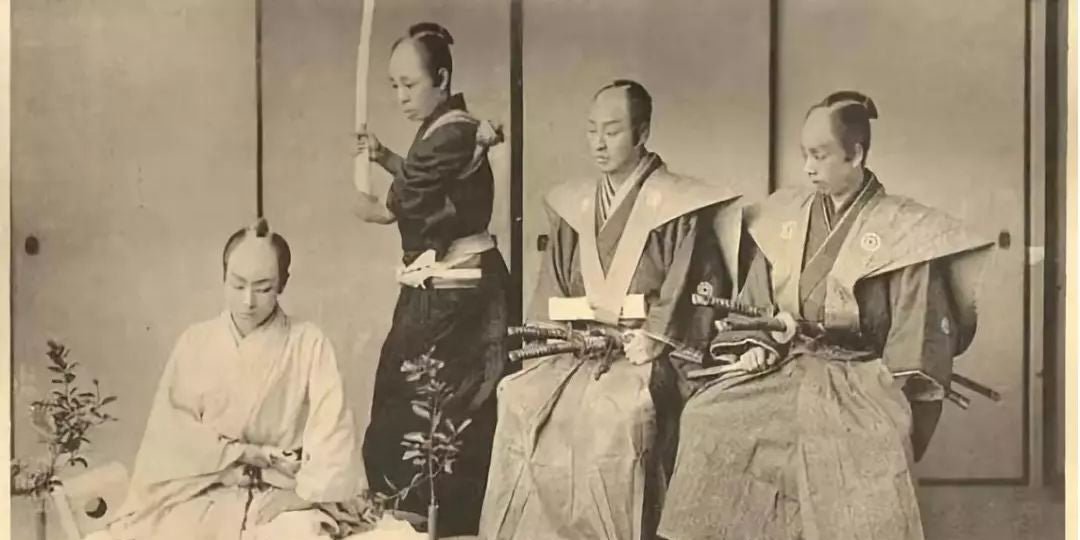
A pervasive global misconception claims wakizashi served as the primary blade for seppuku ritual suicide. Historical documentation confirms this myth is inaccurate: tanto daggers were the designated weapon for honorable disembowelment ceremonies. While desperate samurai occasionally resorted to wakizashi for seppuku in emergency battle scenarios where no tanto was available, this was never the formal, accepted ritual standard.
2. Indoor Etiquette & Constant Personal Companion
Samurai social etiquette enforced strict sword removal rules when entering the residences of lords, nobles or superiors: the katana long sword had to be surrendered and left at the entry gate, yet the wakizashi could remain secured at the samurai’s waist at all times. This unique rule made the short sword a constant, inseparable companion through private meetings, formal banquets, indoor rest, and even sleeping hours. Many historians note samurai formed deeper emotional bonds with their wakizashi than their katana precisely because it never left their person, representing constant personal protection and quiet vigilance in vulnerable indoor environments.
3. Civilian Legal Self-Defense Privilege
One defining feature separating wakizashi from katana under Edo shogunate law was civilian carrying rights. Strict edicts banned farmers, merchants, artisans and townsfolk from owning or transporting full-length katana, yet ko-wakizashi sized short swords were legally authorized for ordinary citizens traveling between villages and market towns to fend off bandits and highway robbers. This legal exception made wakizashi the most widespread edged weapon across feudal Japanese society, and grassroots rebels and anti-shogunate resistance groups frequently utilized civilian-carried wakizashi during uprisings throughout the late Edo period.
Daisho Pairing: Wakizashi as the Symbol of Samurai Social Status
The paired combination of katana (dai, “large”) and wakizashi (shō, “small”) carries the collective name daisho, the most recognizable cultural marker of the samurai warrior class in Japanese history. After the Battle of Sekigahara solidified Tokugawa shogunate control, official laws mandated all ranked samurai to wear a complete daisho set at all times in public spaces; commoners caught carrying two swords faced heavy fines, punishment or exile, cementing daisho as an unmissable visual hierarchy signal separating warriors from the rest of society.
Beyond status symbolism, the daisho pairing carried deep philosophical meaning within Bushido moral code. Collectively, the katana represented heaven, external battlefield authority and decisive public action, while the wakizashi symbolized earth, internal personal honor, quiet readiness and humility. Samurai believed their soul resided within their full daisho set, and losing either blade was considered an irredeemable disgrace to their family lineage and warrior name. Most matching daisho pairs featured aesthetically coordinated wakizashi and katana fittings—matching tsuba guards, saya scabbard lacquer patterns and tsuka wrap designs—even if the two blades were forged by different master swordsmiths.

Wakizashi in Niten Ichi-Ryū: Miyamoto Musashi’s Dual Sword Combat System
Before the widespread popularity of standardized wakizashi, nearly all traditional kenjutsu martial arts schools treated the short blade as nothing more than a last-resort backup weapon, prioritizing single-katana two-handed fighting techniques exclusively. This paradigm shifted entirely due to legendary swordsman Miyamoto Musashi (1584–1645), founder of the revolutionary Niten Ichi-Ryū (“Two Heavens as One”) dual sword fighting school.
Musashi pioneered coordinated simultaneous combat using katana held in the dominant hand and wakizashi in the offhand, creating a balanced offensive and defensive fighting style unmatched by single-blade schools. The wakizashi’s short length allowed rapid close-range parries to block incoming enemy katana strikes, while the longer katana delivered lethal counterattacks in the same movement sequence. Niten Ichi-Ryū remains one of the only classical Japanese sword arts where the wakizashi holds equal tactical weight to the katana, rather than being relegated to secondary emergency use. Even modern iaido and kendo training systems integrate wakizashi dual-wield drills derived directly from Musashi’s original combat manuscripts.
Traditional Wakizashi Forging & Core Component Breakdown
Authentic hand-forged wakizashi follows identical foundational tamahagane steel production methods as katana, starting with iron sand smelted in traditional tatara clay furnaces, layered folding to refine carbon distribution, and differential clay tempering to create the iconic wavy hamon temper line along the blade edge. The shorter nagasa of wakizashi amplifies visual detail in layered Damascus folded steel replicas, making subtle grain patterns and hamon wave textures far more visible to collectors at close display distances.
Every complete wakizashi assembly consists of standardized core components with specialized Japanese terminology:
- Nakago: Full-length blade tang running entirely through the tsuka handle, secured by bamboo mekugi pegs to prevent loosening during combat or drawing
- Tsuba: Decorative metal guard separating the blade from the grip, often carved with cherry blossom, dragon or samurai landscape motifs matching the paired daisho katana
- Tsuka: Wrapped grip base lined with textured same (stingray skin) under woven silk tsuka-ito cord, engineered for non-slip handling even with sweat or rain moisture
- Saya: Lightweight lacquered wooden scabbard custom-fitted to the wakizashi’s unique curvature, finished with matching metal kojiri pommel caps and habaki blade collars
High-quality modern wakizashi replicas replicate all these traditional construction details, balancing historical accuracy with durable carbon steel materials suited for safe display and martial arts practice.

Key Distinctions: Wakizashi vs Katana vs Tanto vs Kodachi
To eliminate common collector confusion, clear functional and dimensional differences separate the four most frequently mixed-up Japanese short and long blade types:
- Katana: Nagasa 60cm+, two-handed primary battlefield blade, exclusive samurai public carry, worn edge-up tucked into the waist obi
- Wakizashi: Nagasa 30–60cm, single-handed auxiliary blade, dual civilian/samurai carry rights, core component of daisho paired sets
- Tanto: Nagasa under 30cm, compact dagger, formal blade for seppuku rituals, primarily used for stabbing indoors
- Kodachi: Pre-Muromachi short blade variant with deeper curvature, predates standardized wakizashi sizing, obsolete once wakizashi production became mainstream
If you want to learn more about the mainstream long samurai sword, you can view our full introduction: Katana full-size samurai sword introduction. For more professional knowledge about Japanese sword categories, you can browse our complete short sword series page: Wakizashi collection category.
Modern Wakizashi Collection & Replica Value Guide
In contemporary collecting culture, wakizashi replicas occupy a unique niche that appeals to multiple types of sword enthusiasts. For casual beginners new to Japanese sword collecting, compact wakizashi requires far less display wall space than full-length katana, making it an accessible entry piece for home vintage weapon decor. For serious daisho collectors, a matching wakizashi is mandatory to complete authentic samurai two-sword display sets, recreating the iconic warrior aesthetic seen in historical scrolls, ukiyo-e woodblock prints and museum artifact exhibits.
Martial arts practitioners of iaido, battodo and Niten Ichi-Ryū dual sword training rely on balanced, properly proportioned wakizashi replicas to practice Musashi’s classic two-sword kata forms. Hand-clay-tempered carbon steel wakizashi deliver realistic weight distribution matching Edo-period historical originals, while budget machine-forged models suit casual display without intensive training use. Collectors also prioritize coordinated daisho wakizashi-katana matching sets, where unified tsuba, saya lacquer and tsuka wrap details elevate display cohesion and historical authenticity.
Disclaimer & Safety Notice: All sword replicas mentioned in this article are made solely for historical collection, cultural research and ornamental display. We firmly oppose militarism and any violent use of bladed items. You must abide by local laws and regulations related to edged collectibles for storage, transportation and display.

Leave a comment
This site is protected by hCaptcha and the hCaptcha Privacy Policy and Terms of Service apply.