
Katana & Wakizashi: Understanding the Samurai Daisho Sword Set for Collectors

The image of a samurai carrying two swords at the waist is one of the most recognizable symbols of feudal Japanese culture, frequently reproduced in anime, graphic novels and modern collectible merchandise. This paired sword configuration is known as daisho, composed of the longer katana and the shorter wakizashi. Far more than just a matching set of sword fittings, daisho carried heavy social meaning, class markers and long‑standing cultural etiquette across hundreds of Japanese history. composition‑of‑katana katana component collection
During early feudal periods, samurai warriors carried multiple blade types in different configurations. The standardized daisho custom gradually took shape from the Muromachi era onward and became firmly institutionalized in the Edo period. Under Edo‑era social rules, wearing a complete daisho set was an exclusive privilege reserved for samurai rank, civilians were forbidden from sporting this dual‑sword outfit. In this sense, daisho worked as visible wearable status identification, showing the wearer’s social standing at a glance.
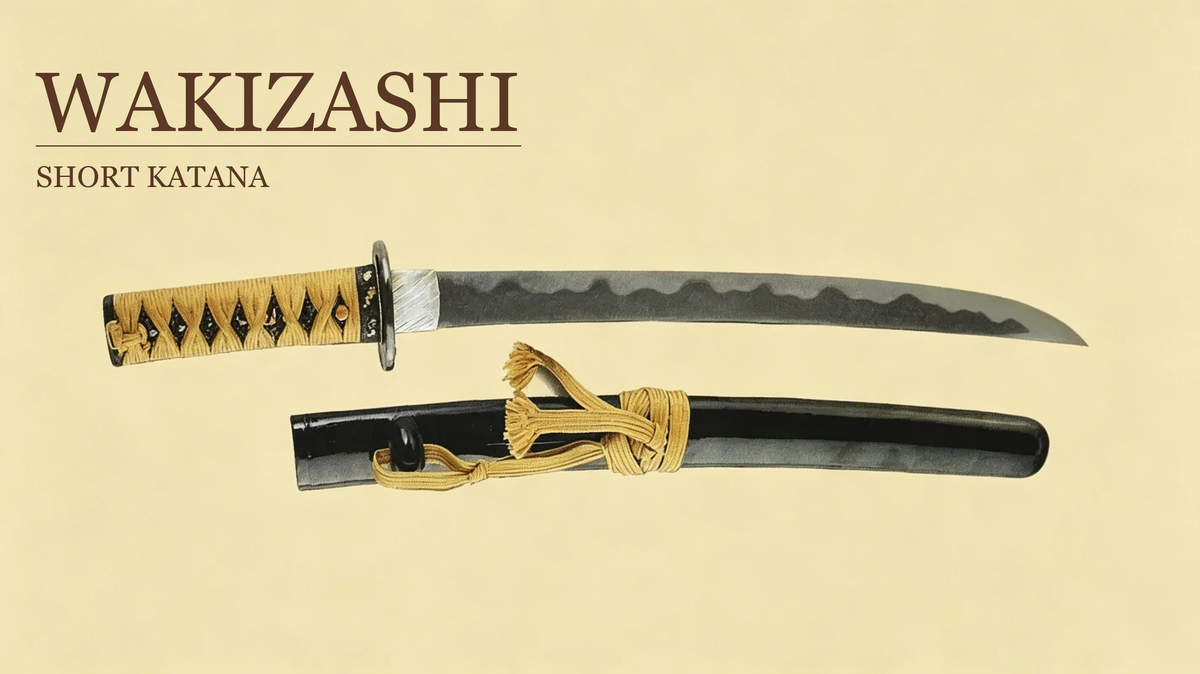
Size serves as the most straightforward distinction between katana and wakizashi. Katana refers to the long sword, designed for outdoor use. Wakizashi is the compact companion blade, meant for indoor environments where drawing a full‑length katana would prove impractical. Both blades are worn edge‑up tucked inside the obi waist sash, a distinct wearing habit separating katana‑era swords from the earlier tachi which hung edge‑down from cords. The obi system even contained two‑layer structures: the outer uwa‑obi and inner shita‑obi, which firmly locked both scabbards in place while samurai moved. katana component reference collection

Many modern hobby fans misunderstand the functional division between katana and wakizashi. In historical daily life, wakizashi was not simply a backup item. Inside residences and castle buildings where long blades could not be comfortably maneuvered, the wakizashi became the primary blade kept close at hand. It also held important ceremonial meaning for samurai traditions. Every component of daisho, from tsuka handle wrapping, sageo cordwork to scabbard finish, was often finished in matching aesthetic style, reflecting the owner’s personal taste and family aesthetic preferences.
Daisho culture deeply shapes contemporary pop‑culture. Countless anime and game works feature protagonists equipped with daisho‑style dual swords. For many new collectors, daisho‑themed replica sets become their first entry point into Japanese sword appreciation. When admiring collectible daisho reproductions, hobby‑level audiences focus heavily on visual matching between katana and wakizashi, consistent hardware styling, period‑accurate koshirae fittings, and faithful recreation of traditional decorative details, rather than focusing on blade sharpness.
It is worth noting that not every two‑sword combination counts as authentic historical daisho. True period daisho sets were crafted or assembled as a matching pair, with coordinated mounting artistry. Mixing an unrelated long sword and random short blade does not follow the original historical definition. Studying surviving museum‑preserved daisho artifacts from The Japanese Sword Museum official archives helps modern audiences better grasp how samurai valued harmony, symmetry and symbolic identity within their sword sets.
To this day, daisho remains a cornerstone of Japanese cultural heritage. Whether encountered in historical records, museum exhibits, or beloved animation titles, the katana‑and‑wakizashi daisho set continues connecting modern‑day collectors with the mindset and customs of feudal samurai society.

Leave a comment
This site is protected by hCaptcha and the hCaptcha Privacy Policy and Terms of Service apply.