
What Is Sageo? The Cord And Leather Sash Of Japanese Katana Koshirae For Collectors

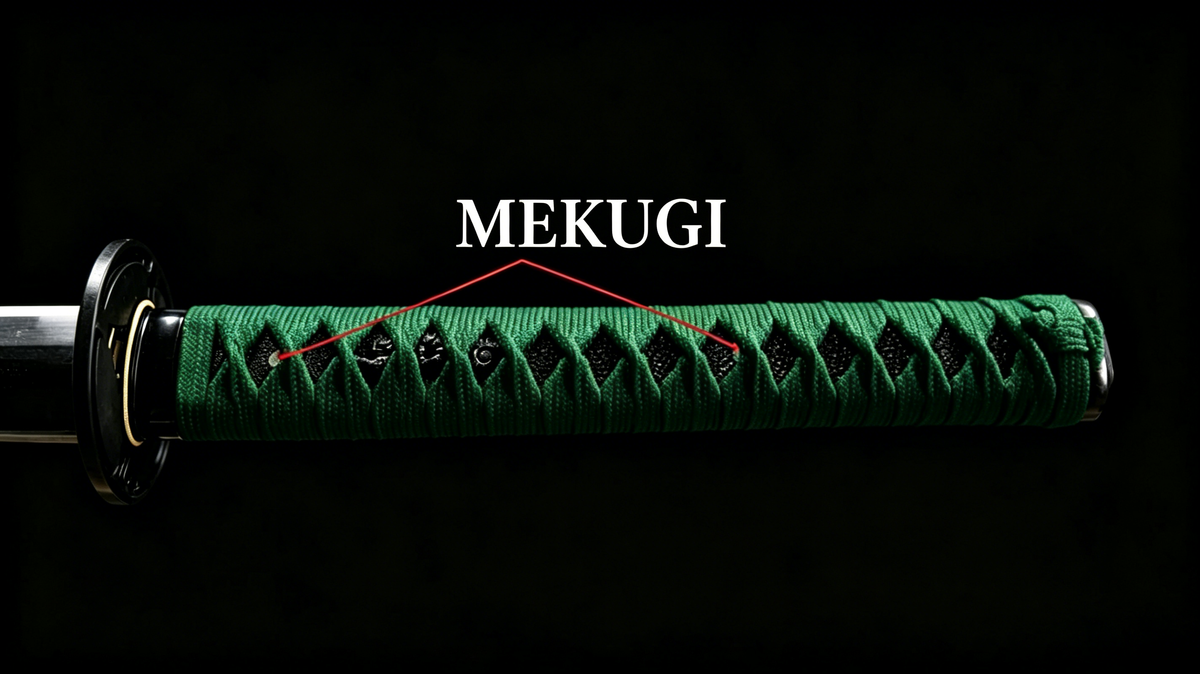
When exploring Japanese sword koshirae, most collectors focus on prominent fittings such as tsuba, tsuka or menuki, while paying less attention to sageo. Despite being often treated as purely ornamental tasseled cordage, sageo served critical practical purposes throughout Japanese feudal history, alongside its decorative value for formal and ceremonial sword presentation. Japanese katana koshirae fittings
Sageo refers to the long sash secured to the scabbard, or saya, of traditional Japanese swords. It is threaded through the kurigata, the small knob‑shaped fixture fixed onto the outer surface of the saya. Once looped and knotted in place, the sash can be wrapped around the saya, creating a secure binding for the sword mounting. Two primary material forms exist among surviving historical pieces: woven cord sageo, and rarer antique leather sageo.
Cord sageo is the most widely‑encountered variant in both historical relics and modern‑day replica collections. Woven from silk or cotton threads, these sashes feature tightly braided texture, often finished with decorative tassels at both ends. Craftsmen produced cord sageo in diverse colour palettes, ranging from muted earth‑toned shades to rich orange, indigo and deep red hues to match the overall aesthetic of the full koshirae set. The woven structure offers flexible handling for complex knot work, making it ideal for frequent re‑tying and ceremonial display.
Leather sageo represents a less common historical alternative. Surviving museum examples show thick, durable leather straps folded and knotted into place. Leather sageo prioritized rugged long‑term durability for field use, sacrificing some of the fine decorative flexibility seen in silk cord versions. These leather sashes are mostly seen on older tachi‑era fittings, demonstrating how ancient sword‑bearers adapted materials to match different eras and usage contexts. preserved historical tachi koshirae artifacts
The functional role of sageo changed significantly alongside shifts in Japanese sword‑wearing customs. During the tachi period, swords hung edge‑downward from belts or body armor. Sageo was used to firmly lash the saya to the warrior’s armor or waist belt, holding the heavy tachi stable during movement. As katana rose to prominence, the wearing method shifted: katana were tucked edge‑up inside the obi sash at the wearer’s waist. Even with this new carry style, sageo retained its purpose. Properly knotted sageo would restrain the saya, preventing unintended sliding or shifting of the scabbard while walking. katana mounting components

Beyond mechanical function, sageo carried ceremonial and social meaning. Distinct knot styles and colour choices could signal status, clan affiliation, or be selected for formal rituals. Skilled samurai learned multiple traditional sageo‑tying techniques, each with established etiquette for different occasions. For modern‑day collectors, these knot patterns remain a fascinating detail to observe when examining period‑accurate koshirae reproductions.
Within modern collecting circles, sageo draws interest from both history‑focused enthusiasts and anime‑themed sword hobbyists. Many popular anime and media recreations faithfully replicate sageo as part of complete sword mounting sets. New collectors frequently underestimate how much a well‑matched sageo can elevate the visual completeness of a katana display set. Mismatched texture, incorrect knotwork or poorly selected colours can break the authentic visual impression of an otherwise finely‑crafted koshirae.

When evaluating sageo on collectible sword pieces, material texture and knot execution are key observation points. Cord sageo should show consistent woven texture, without fraying or uneven weave. Leather sageo examples display natural grain and patina. Historical‑style knots follow established traditional layouts, rather than random casual loops. Understanding these subtle details helps hobbyists distinguish thoughtful period‑inspired craftsmanship from simplified decorative‑only reproductions.
To sum up, sageo is far more than just a decorative tassel. Rooted in feudal Japanese practical needs and ceremonial etiquette, it forms an indispensable component of traditional Japanese sword mounting. Whether you are studying surviving museum artifacts, assembling a historically‑accurate collection, or appreciating anime‑inspired replica swords, recognizing the history and material variety of sageo adds deeper context to your understanding of Japanese sword culture.
Due to the default sharpness of swords, customers can choose the sharpness level at the time of purchase. These swords are intended solely for anime role‑play, desktop display and collection. Please handle metal blades with caution, avoid reckless swinging, stabbing or dangerous gestures to protect personal safety.
Reference: The Japanese Sword Museum official resources

Leave a comment
This site is protected by hCaptcha and the hCaptcha Privacy Policy and Terms of Service apply.