
Fuchi and Kashira: Decorative‑Functional Fittings of the Katana Tsuka Handle

When studying Japanese nihonto and display‑oriented katana replicas favored by anime and cultural hobbyists, people frequently encounter the paired hardware known as fuchi and kashira. These two metal pieces sit respectively at the front and rear ends of the tsuka, the wooden handle of the sword. Many new enthusiasts mistake them purely for decorative trims, while historically they balanced practical structural duties alongside elaborate artistic expression. katana component collection
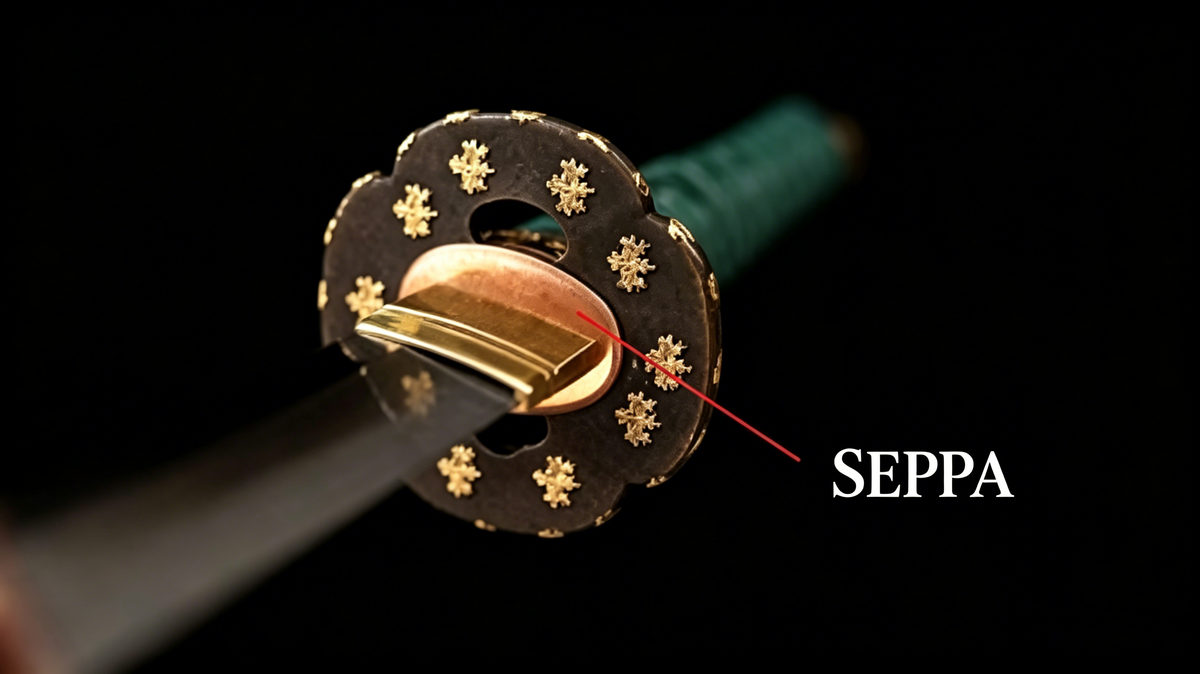
The fuchi is the circular metal collar fitted onto the tsuka right beside the tsuba handguard. Its most under‑recognized practical task relates to tsuka‑ito, the woven cord wrapped around the handle core over samegawa ray‑skin. tsuba katana handguard The fuchi slides firmly over the starting edge of the wrapped cord. One of its core practical purposes is to secure the starting ends of tsuka‑ito wrapping cord underneath its inner rim. This mechanical hold keeps the handle wrap tight and prevents it from loosening with long‑term display and handling, while also protecting the edge of the underlying samegawa ray‑skin surface. Without the restraining pressure supplied by fuchi, the handle cord could gradually shift and unravel over time.

Positioned on the far end of the handle sits the kashira, the pommel cap that closes off the tail of the tsuka. Structurally, the kashira locks the distal end of tsuka‑ito wrapping in place, mirroring the job performed by fuchi on the opposite side. Together this pair clamps both terminals of the handle wrap, forming a complete containment system for the tsuka‑ito. Beyond function, the kashira also serves as a finishing visual accent, rounding out the silhouette of the entire handle assembly.
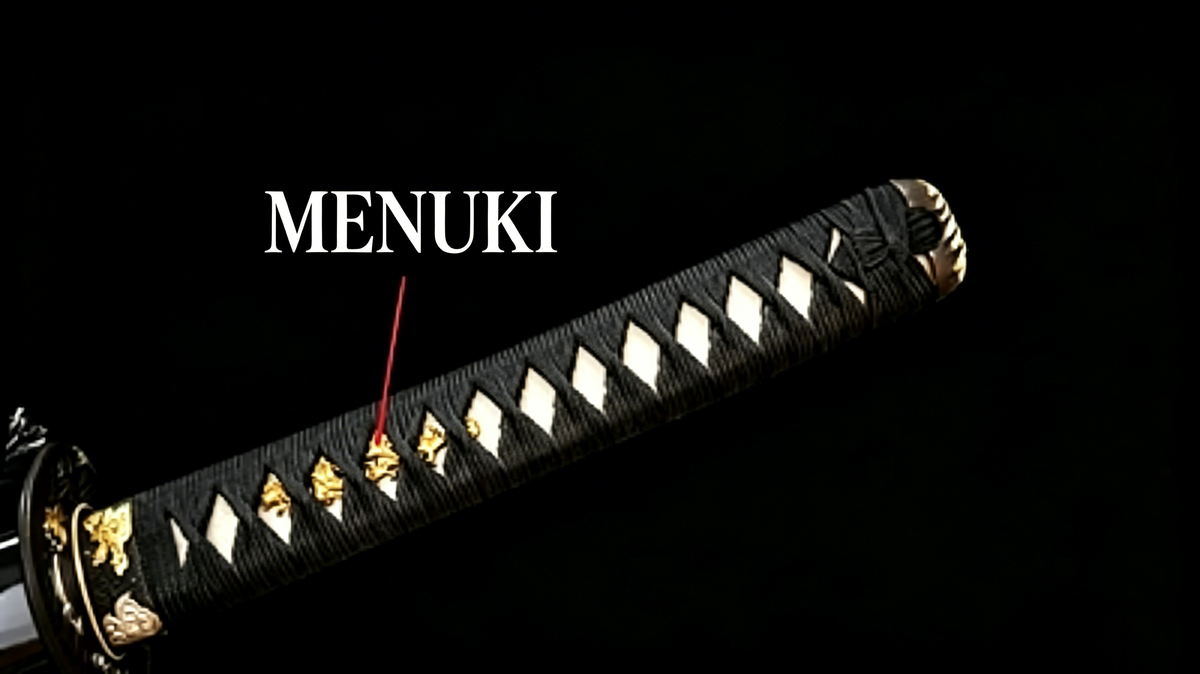
Fuchi and kashira are almost always created as a matching set. Craft traditions across Japan demanded cohesive design language for the pair. Artists would engrave, carve and apply metal inlay to both fittings so their themes, textures and color accents perfectly corresponded. Collectors value intact original sets far higher than mismatched parts sourced from different swords. katana component collection
During the Edo period, fuchi‑kashira evolved into a major outlet for Japanese decorative metal craft. Edo period fuchigashira sword fittings Artisans worked with shakudo, brass, copper and mixed‑metal alloys. Popular techniques included high‑relief carving, gold and silver inlay, and fine surface texturing. Motifs drew heavily from nature, folklore and Buddhist symbolism. Cherry blossoms, mythical creatures, birds and plant scrollwork frequently decorated the surface of these compact fittings. For sword owners, these small artworks reflected personal taste, cultural beliefs and aesthetic trends of their era.

For modern‑day hobbyists and anime‑katana collectors, fuchi‑kashira offer a gateway to appreciate nihonto aesthetics without examining full antique swords. Replica sets reproduce classic Edo‑period patterns, and many anime‑licensed display swords feature custom‑designed fuchi‑kashira to match character visual styling. When evaluating collectible replicas, observing the finish, carving consistency and set‑matching of fuchi and kashira provides extra depth to your viewing experience. Even though they are comparatively tiny components, they carry centuries‑old craft philosophy merging utility and fine decorative art. historic Japanese Edo sword metalwork

Leave a comment
This site is protected by hCaptcha and the hCaptcha Privacy Policy and Terms of Service apply.